
Planning / 5 min read
How to choose the right one-day US national park itinerary
Learn how to choose a one-day US national park itinerary that fits your time, group, weather, energy, and driving tolerance before you load it with stops.
August 29, 2026
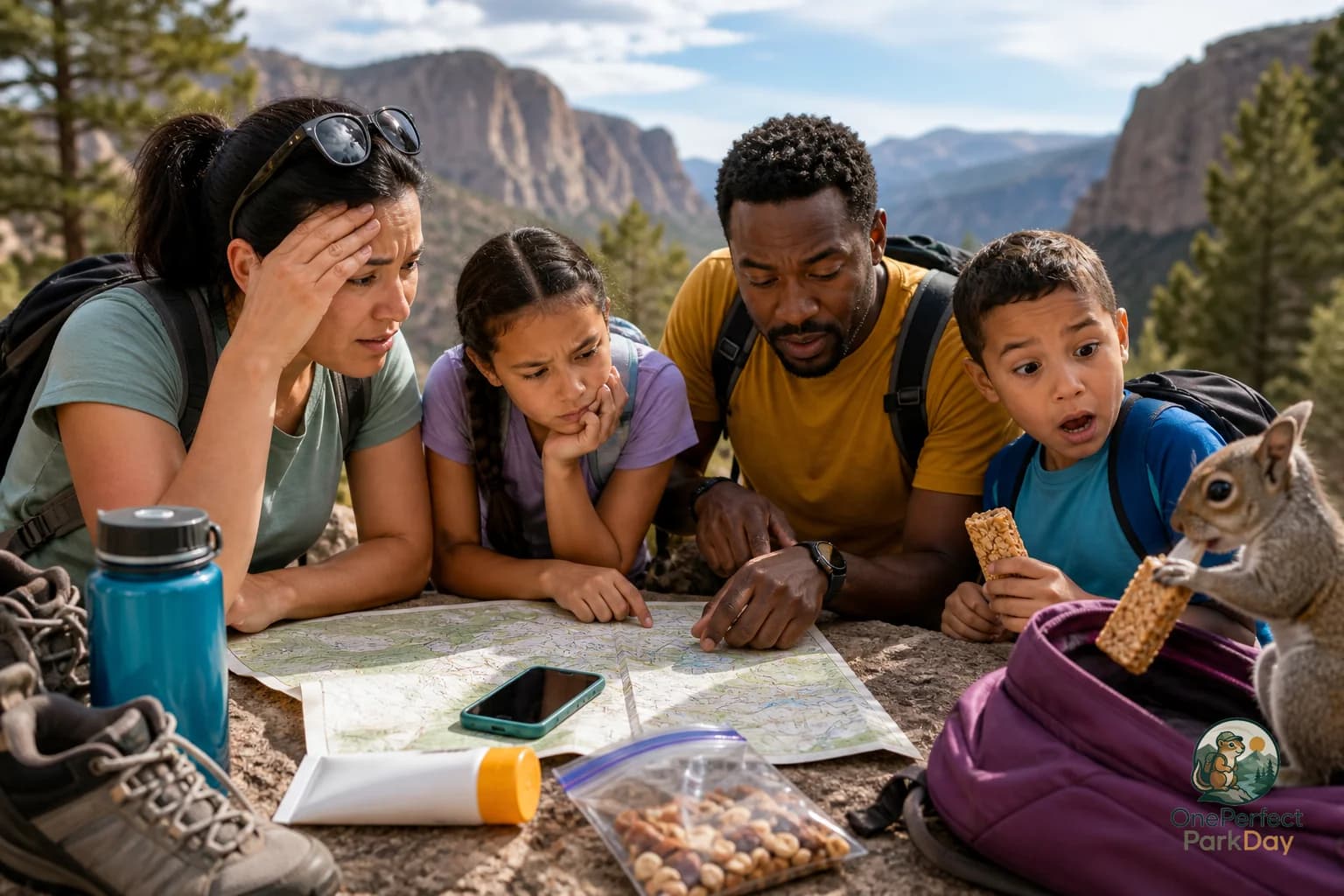
Most one-day national park plans start in the wrong place. People open a map, circle every famous overlook, add two hikes, pretend lunch will appear, and call it an itinerary.
That can work on paper. It gets messy once the parking lot is full, the kids are done, the trail is hotter than expected, or the scenic drive takes twice as much attention as you budgeted.
A better plan starts before the stop list. First choose the type of day you are actually trying to have.
Direct answer
Choose your one-day US national park itinerary by your biggest constraint, not by the park's greatest hits list.
If your constraint is time, build a compact plan around one main area. If your constraint is group energy, choose fewer stops with better breaks. If your constraint is weather, keep the day adjustable and avoid making one exposed trail the whole point. If your constraint is access, check current National Park Service alerts, timed entry details, shuttle rules, road status, and seasonal operations before you commit.
The right itinerary is the one that survives contact with your real day.
For a simple base structure, use A simple one-day US national park itinerary formula. If your group has very different stamina levels, pair this with How to plan a one-day US national park itinerary by energy level.
Context factors that should shape the itinerary
Do not judge a one-day plan by how many stops it includes. Judge it by how much friction it creates.
Start with these factors.
Time on the ground. There is a big difference between entering the park at sunrise and arriving after a long breakfast outside the gate. Count usable park time, not the full calendar day.
Driving shape. Some parks work well as a scenic drive with short walks. Others punish backtracking. A route that looks short on a map may still involve slow roads, pullouts, wildlife delays, construction, or long stretches without services.
Group speed. A solo adult, a couple, a multigenerational family, and a group with young kids are not planning the same day. The mistake is pretending everyone will move like the fastest person.
Weather exposure. Heat, cold, wind, rain, snow, smoke, and afternoon storms can change what feels reasonable. A plan with shade, indoor pauses, shorter walks, and easier exits is not a weaker plan. It is often the smarter one.
Access rules and seasonal limits. Some parks use timed entry, reservations, shuttles, seasonal road openings, or temporary closures. Do not build around assumptions from an old trip report. Check current NPS alerts and current operating details before you go.
Meal and bathroom reality. Hunger ruins ambitious itineraries faster than most people admit. Know where you can stop, where you cannot, and what you are carrying with you.
Common mistakes that make one day harder
The first mistake is copying a maxed out itinerary from someone who had different weather, different fitness, different lodging, and no tired seven-year-old in the back seat.
The second mistake is treating scenic drive miles like normal road miles. In a national park, miles can include pullouts, tight curves, slow traffic, wildlife jams, construction zones, and the simple fact that everyone keeps asking to stop for the view.
The third mistake is saving the main thing for too late. If there is one overlook, trail, visitor center, historic area, grove, canyon view, or beach walk that defines the day for you, do it while the group still has patience.
The fourth mistake is planning only the fun parts. Parking, shuttles, bathrooms, sunscreen, water refills, snacks, and tired legs are part of the itinerary whether you write them down or not.
The fifth mistake is refusing to downgrade. A shorter day that ends well beats a heroic plan that turns the last two hours into a silent car ride.
Questions to check before you commit
Use these before you finalize the day.
What is the one thing we would be disappointed to miss? Pick one anchor, maybe two if they are close together. Build around that.
What would make the day fall apart? Heat, late arrival, shuttle confusion, motion sickness, a toddler nap, altitude, rain, or too much driving are all legitimate constraints.
How much walking is realistic after lunch? Many plans quietly assume everyone gets a second wind. Some groups do. Many do not.
Where can we cut the plan without feeling like the day failed? Decide this before you are tired. A backup version of the day is not pessimism. It is how you avoid arguing in a parking lot.
What does the exit require? If you still have a long drive to lodging, dinner, or an airport area, do not spend every ounce of energy inside the park.
A simple one-day itinerary checklist
Use this as a quick filter when choosing your itinerary type.
That checklist usually points you toward one of three itinerary styles.
A compact area day is best when you are arriving later, traveling with kids, dealing with mixed energy, or visiting a park where distances are deceptive.
A scenic drive plus short walks day works well when the park has strong viewpoints and your group wants variety without committing to one long trail.
A main hike day can be great if the trail is the reason you came, but it should not be padded with too many extras. The hike is the day. Treat everything else as optional.
A realistic closing note
A one-day national park itinerary does not need to prove you saw enough. It needs to give you a day that feels worth the effort without burning through everyone's patience.
Pick the constraint first. Choose the itinerary style second. Add stops last.
That order is less flashy than building a giant wish list, but it is much more likely to give you a calm, memorable day you can adapt when the park, weather, or group has other ideas.
If you want help turning that into a simple plan, start with One Perfect Park Day at oneperfectparkday.com.
Practical note
This article is general US National Park planning information. Park rules, hours, weather, trail conditions, road closures, shuttle service, accessibility procedures, permits, and crowd levels can change. Check the official National Park Service site or app before relying on any plan.