

Which One Perfect Park Day article should I start with?
Start with must-see stops when your list is too long, arrival timing when access or heat matters, and weather planning when conditions could change the route.
Field notes
A place for source notes, planning tradeoffs, weather context, and the parts of the data that deserve a closer look.
Featured / Planning
Food and water can quietly decide how your national park day feels. Plan what to carry, what to stage in the car, and when to eat before the day turns cranky.
Planning library
The field notes are written for visitors who have one day, a real group, and imperfect information. Instead of pretending there is one best national park itinerary for everyone, these articles focus on the decisions that usually make or break a visit: when to arrive, what to protect first, how much food and water to carry, and how to adapt when weather or operating conditions change.
Start with must-see stops if your list is too long. Use the arrival timing guide when parking, shuttle access, heat, crowds, or sunrise plans affect the first part of the day. If the forecast is unsettled, the weather planning guide explains how to choose routes and backups before the parking lot becomes the planning room.
Food, water, and rest are planning variables too. The food and water checklist is meant for ordinary scenic-drive days, short walks, family visits, hotter parks, and places where refill points may be limited. It pairs well with the park explorer, where each park page keeps current conditions, official links, map context, and recommendation inputs close together.
Every article is written to support data-backed planning rather than fixed promises. National parks change by season, day, road status, staffing, alerts, air quality, and weather. The goal is to help you make a better first plan, keep a useful backup nearby, and understand which source to check before you commit to a trail, overlook, visitor center stop, picnic plan, or scenic drive.
Planning questions
Start with must-see stops when your list is too long, arrival timing when access or heat matters, and weather planning when conditions could change the route.
No. The articles explain planning tradeoffs so visitors can adapt one-day park recommendations around official alerts, weather, daylight, group needs, food, water, and backup options.
Use the official NPS page, current alerts, operating details, and local forecast sources before committing to trails, scenic drives, shuttle plans, visitor centers, or timed-entry decisions.
All articles
Food and water can quietly decide how your national park day feels. Plan what to carry, what to stage in the car, and when to eat before the day turns cranky.
Read article ->
A practical way to plan one US national park day around comfort, not just ambition.
Read article ->
Rim Drive is the frame for a one-day Crater Lake plan, not a checklist you have to finish.
Read article ->
A practical one-day Congaree plan should start with the boardwalk, respect heat and wet trail conditions, and keep every add-on optional.
Read article ->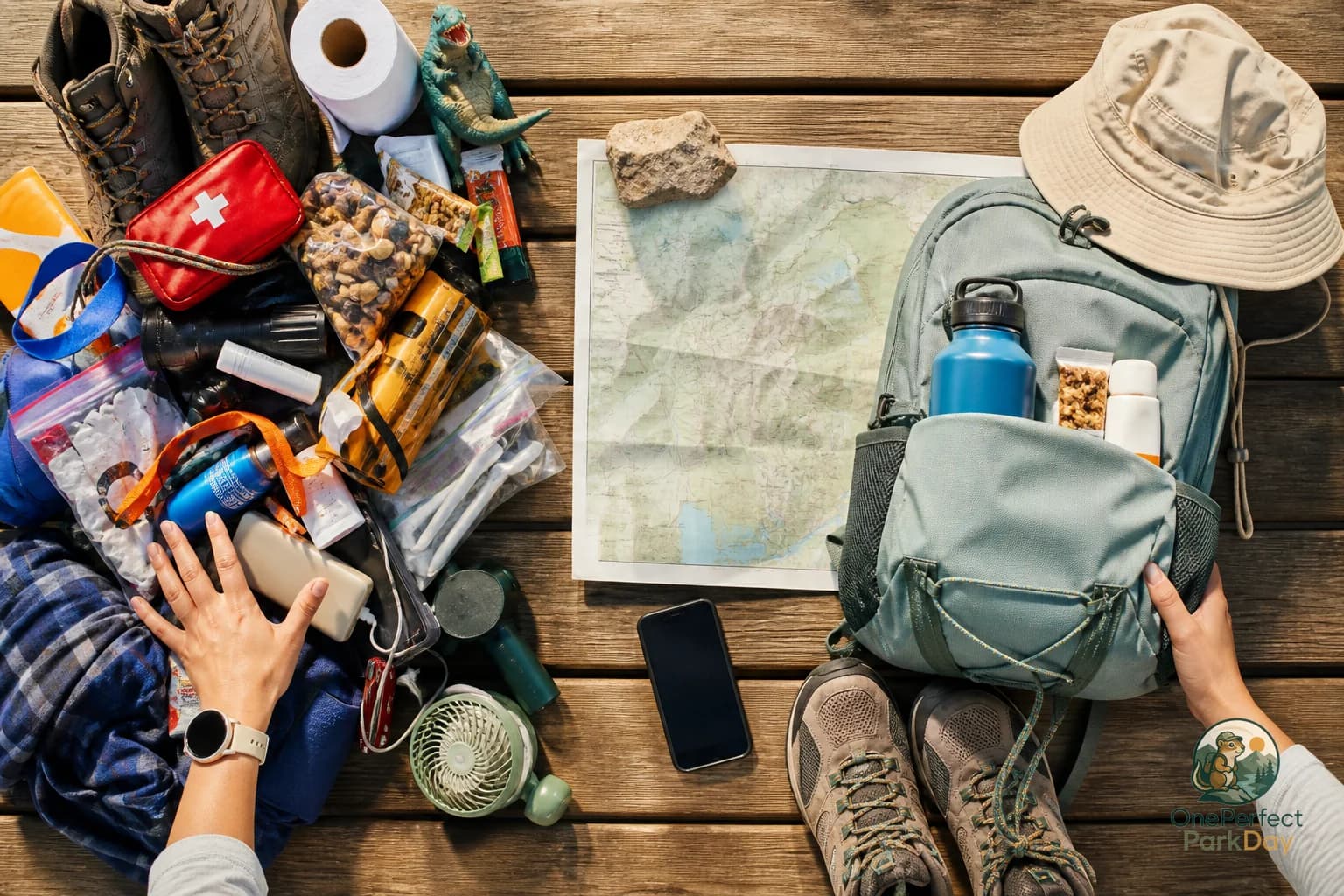
A practical way to build a one day US national park kit that supports your actual plan without turning your backpack into a tiny gear closet.
Read article ->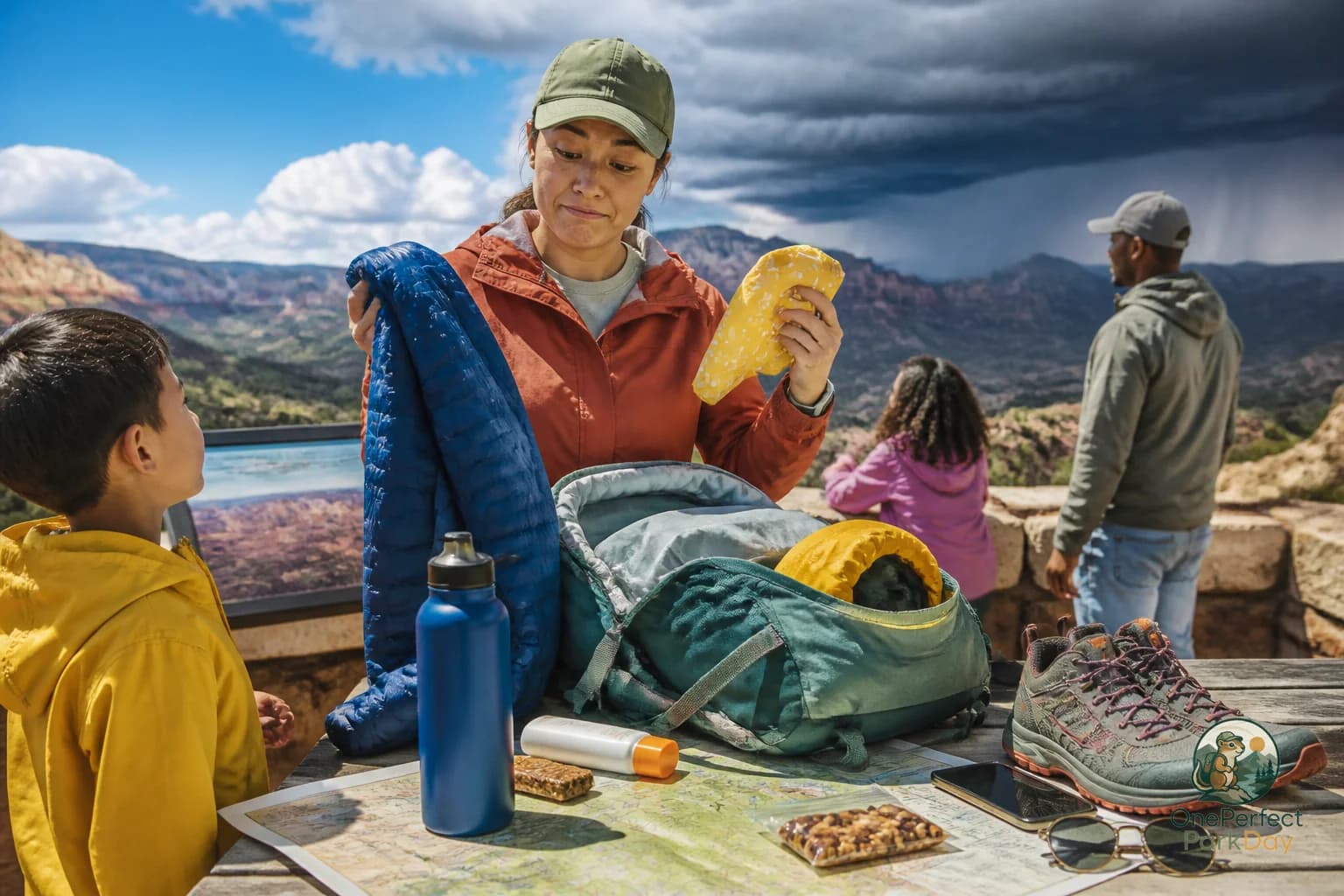
Pack for the parts of a one-day US national park visit most likely to change: weather, food, water, layers, timing, and access back to the car.
Read article ->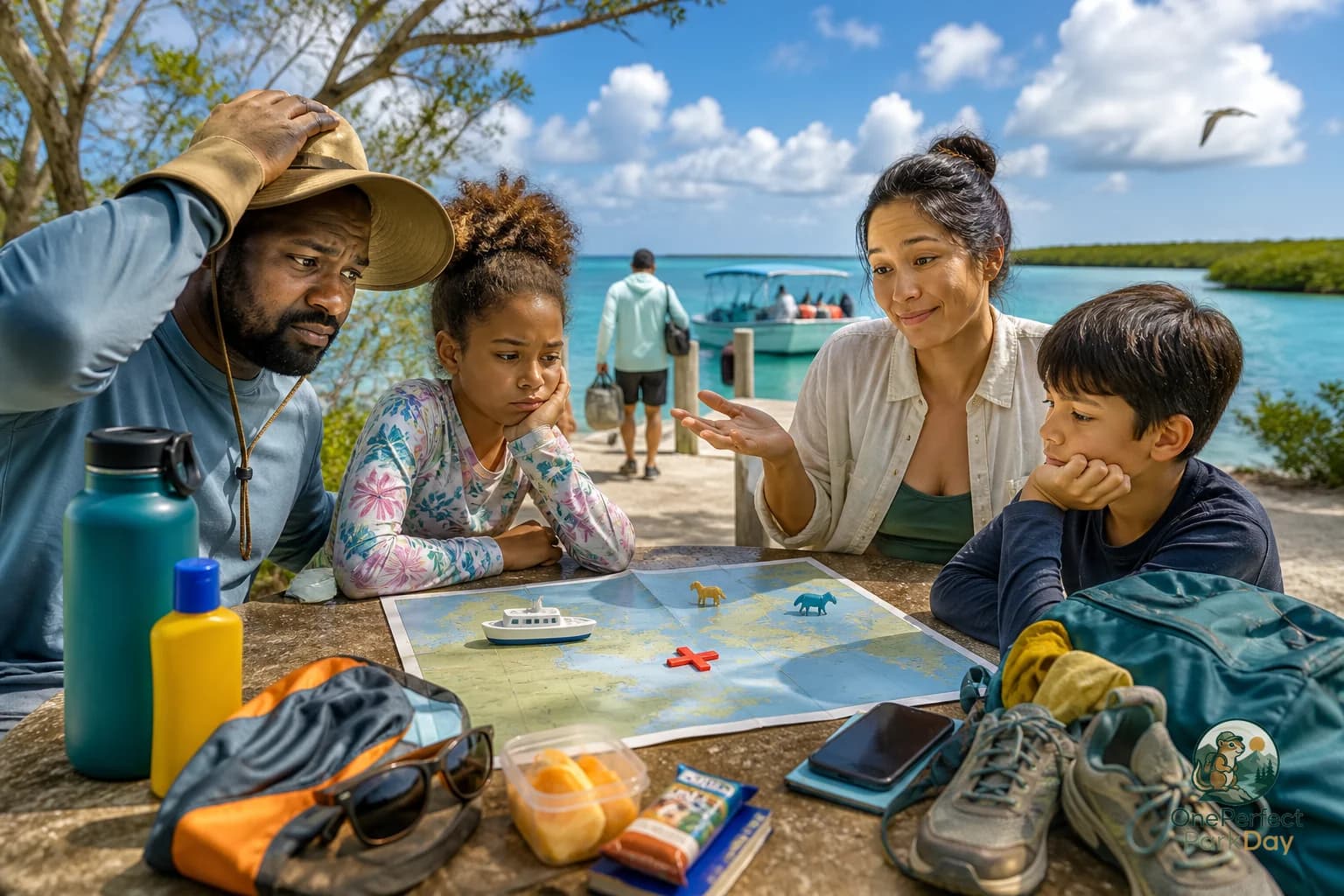
Biscayne is mostly water, so the smartest one-day plan starts with one question: are you building the day around a boat or keeping it land based?
Read article ->
Packing for one US national park day gets easier when your bag matches your route, weather, meals, trail time, and backup plan.
Read article ->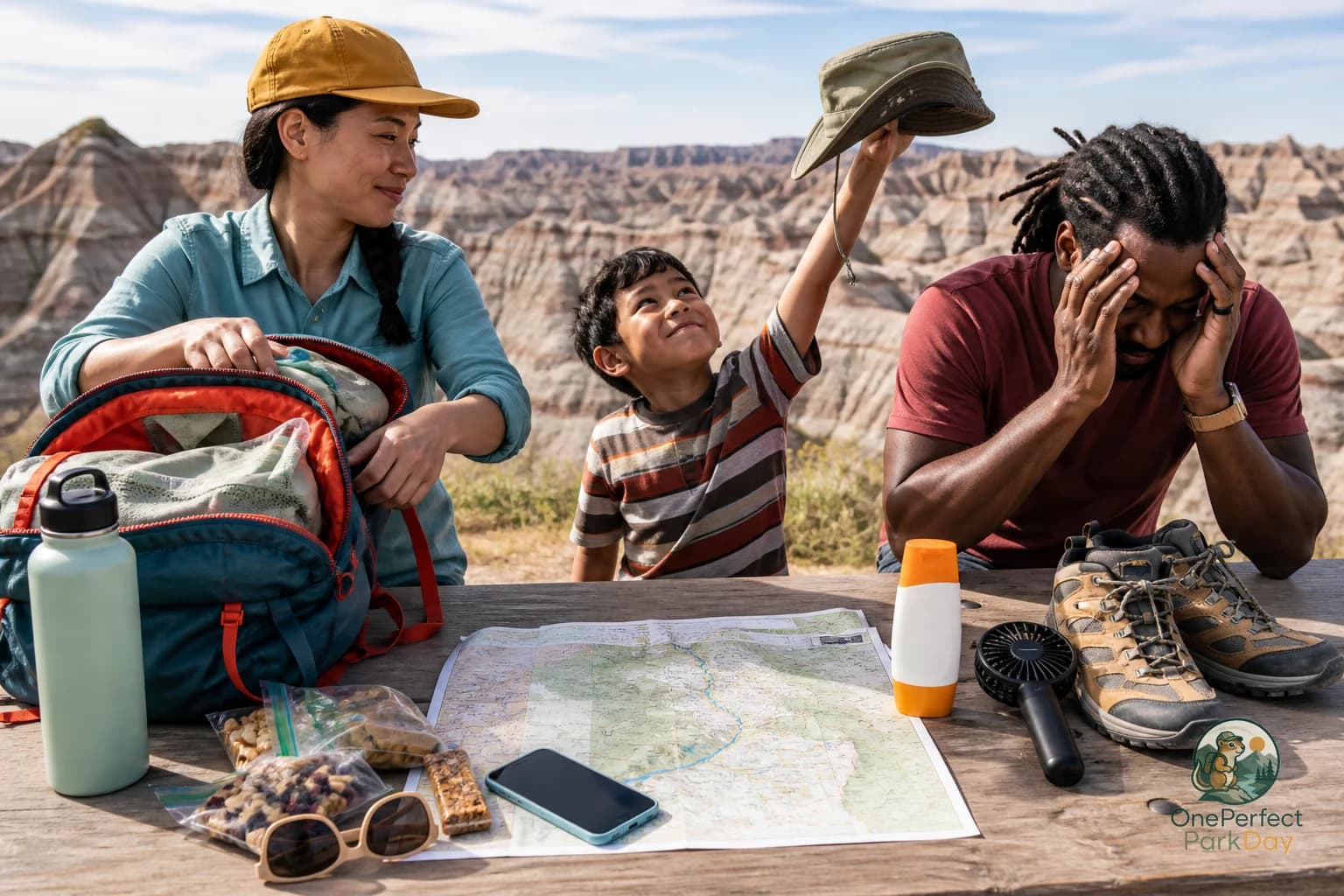
Badlands packing is less about hauling more gear and more about covering wind, sun, water, snacks, layers, and long gaps between easy services.
Read article ->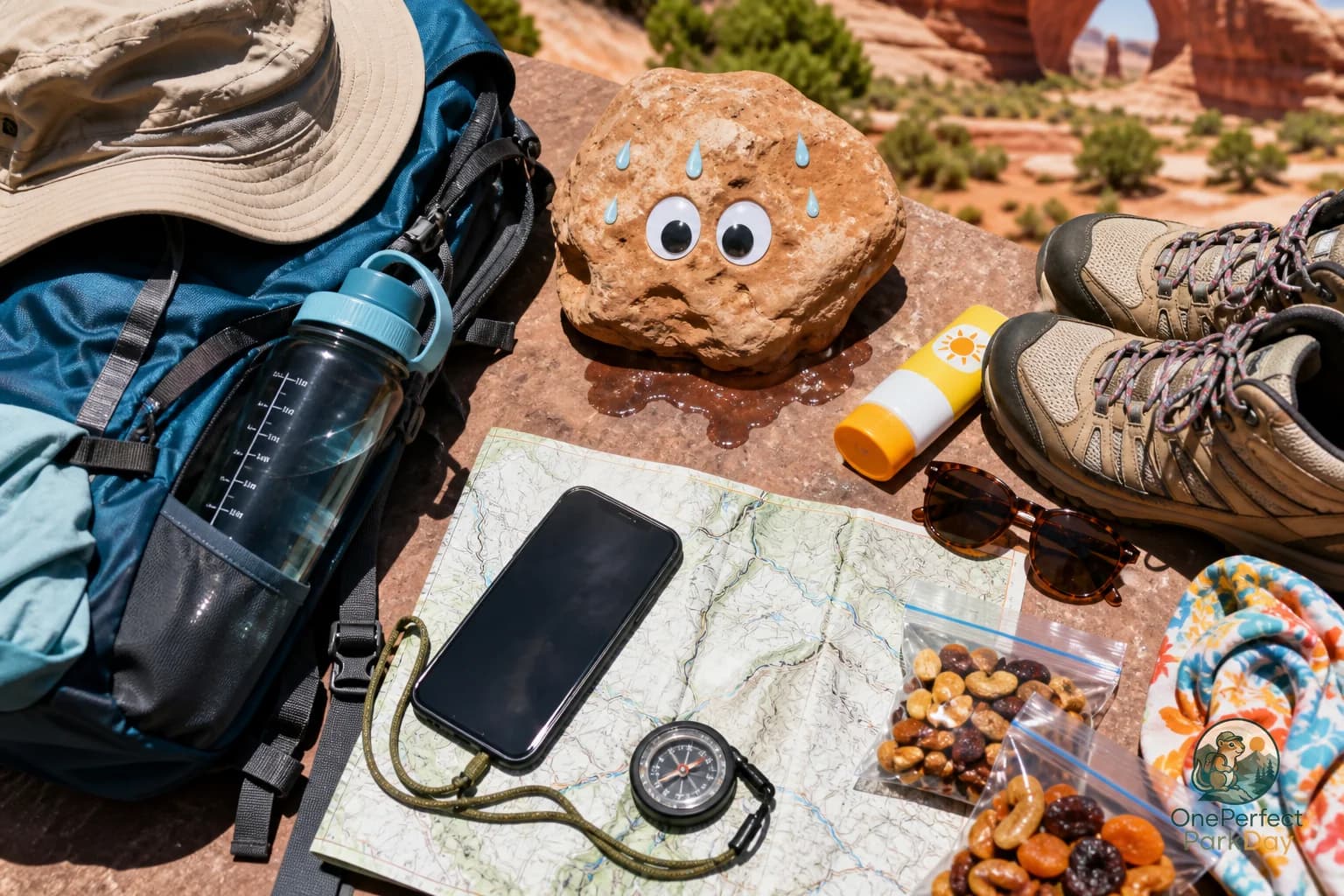
Pack for one day in Arches National Park around heat, sun, water, food, timed entry details, and the backup plan your group may actually need.
Read article ->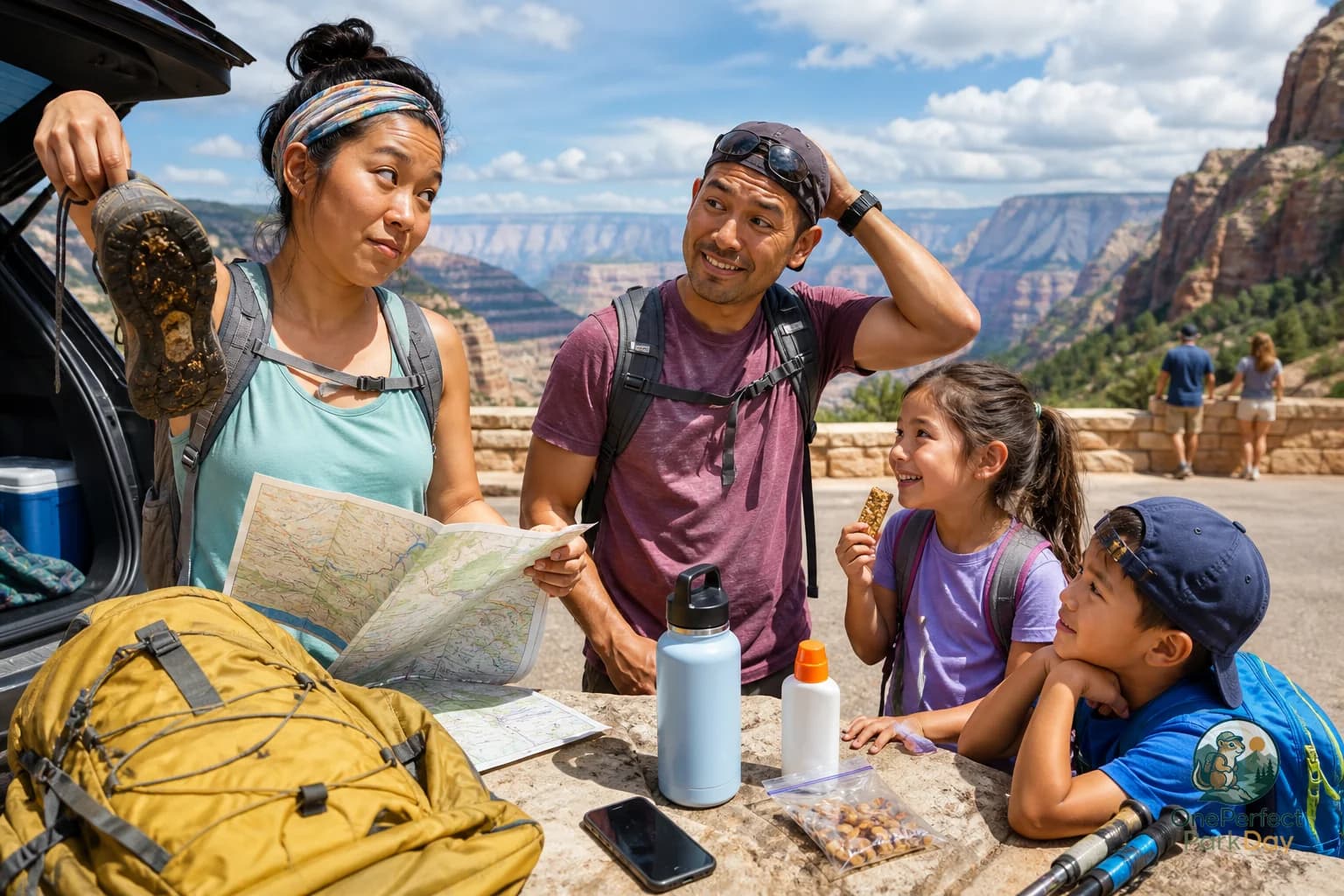
A calmer way to combine scenic roads, viewpoints, breaks, and short hikes during one day in a US National Park.
Read article ->
Plan one day in Zion National Park by treating the shuttle as the main pacing decision, not a detail you can figure out later.
Read article ->More notes
Getting to a US national park early helps, but the right arrival time depends on what you are trying to protect: parking, heat, shuttle timing, group energy, or your must-see stop.
Glacier Point can be spectacular, but for one day in Yosemite it needs to be a deliberate choice, not a rushed add-on.
One day in Yellowstone works better when you choose geysers or wildlife as the main lane, then keep one backup and one optional add-on.
A practical one-day Wind Cave National Park plan starts with the cave tour decision, then keeps the prairie side flexible for weather, energy, food, and changing conditions.
Build a one-day US national park itinerary around time blocks so the day has structure without becoming an overloaded checklist.
A practical one-day White Sands National Park plan that treats heat, glare, wind, water, and group energy as the main planning problem.
A calmer way to build a one-day US national park itinerary around two or three anchor stops instead of an overloaded checklist.
Pick the anchor, pack for the messy middle, and stop pretending every overlook is mandatory.
A practical way to choose the right one-day US national park itinerary by time, weather, group energy, driving tolerance, and access rules.
A practical one-day Virgin Islands National Park plan starts with one main beach area, one backup, and enough margin for heat, parking, weather, food, and group energy.
A quick way to tell whether your one-day US National Park plan is realistic before weather, drive time, hunger, or tired legs start making decisions for you.
A practical way to plan one day in Theodore Roosevelt National Park by choosing one main unit, protecting your timing, and keeping backups realistic.
A flexible one-day US national park plan protects the main experience, leaves room for real life, and keeps one problem from wrecking the whole day.
A calm way to plan one day in Shenandoah National Park: choose one Skyline Drive section first, then build the rest of the day around weather, daylight, food, and group energy.
Pick the real anchor, pack for delays, and stop treating every scenic stop like it is free.
A practical way to choose between Grant Grove and Cedar Grove when you only have one day in Kings Canyon National Park.
A flexible one-day national park itinerary works better when you plan the decisions, not every minute.
A practical one-day Sequoia National Park plan that accounts for elevation, weather, driving time, group energy, and backup options.
A one-day US national park itinerary gets better when you decide what not to do. Here is how to cut duplicate stops, long detours, and fragile plans before they eat the day.
Saguaro National Park is split into two Tucson area districts. Here is how to choose one main side, keep a nearby backup, and avoid turning one park day into too much driving.
A smoother national park day usually depends on simple food timing, reachable snacks, enough water, and a backup plan for when lunch does not happen where you expected.
Protect the must-do, soften the middle, and stop letting lunch become the villain.
A practical way to pace one day in a US national park so the day has a strong start, an easier middle, and a flexible finish.
A practical one-day Redwood National and State Parks plan starts with one anchor area, one backup, and one optional add-on, not a north-to-south checklist.
A simple way to build a realistic one-day US national park plan when you are starting with a blank map and too many options.
Pinnacles is easier to plan when you stop trying to connect both entrances and choose one main side for the day.
A practical five-part formula for building a one-day US National Park itinerary that can survive weather, delays, tired legs, and changing plans.
Petrified Forest looks simple on a map, but one day works better when you choose one anchor stop, one backup area, and one optional add-on.
Pick one area, pack for comfort, and leave room for the day to change.
Olympic National Park is too big for a casual one-day checklist. Pick one main area, one backup, and one optional add-on so the day stays flexible and realistic.
A map-first way to build a smoother one-day US national park plan without chasing scattered stops across the park.
A practical way to plan one US national park day around your group’s real energy level instead of an overstuffed map.
A practical way to build a one-day national park itinerary by grouping stops into areas so your day has less backtracking and more breathing room.
A one-day national park itinerary is a tool, not a dare. Here is how to adapt it when timing, weather, energy, and access do not line up perfectly.
Most rushed national park days are overloaded from the start. Use a realistic stop count so your one-day plan has room for food, weather, parking, and actual enjoyment.
A simpler one day national park plan starts with the opening move, the exit plan, and a realistic turnaround time.
Most US National Park days get messy at the edges: arriving without a clear first move, or trying to squeeze one more stop into the final hour. Plan the bookends and the middle gets easier.
A simple turnaround time can keep a one day national park plan from turning into a rushed, tired, late afternoon scramble.
A calm one-day national park backup plan helps you handle closures, heat, full lots, late starts, and tired travelers without rebuilding the whole day.
A family national park day works better when it is built around energy, food, bathrooms, weather, and one or two memorable stops instead of a packed sightseeing list.
A practical way to mix scenic drives, short hikes, overlooks, and breaks during one US National Park day without overloading the plan.
Shuttles and timed entry rules can shape the whole day. Use them as fixed anchors, then build a flexible one day national park plan around them.
A weekly planning note about protecting food, water, shade, bathrooms, and energy before a one-day park itinerary gets too full.
A practical guide to building rest stops, snack pauses, lunch, and backup energy into one day at a US National Park.
A calmer national park day usually starts before the day feels urgent. Use this guide to choose an arrival time that fits your park, group, weather, and first priority stop.
A practical way to plan a US national park day when the forecast is messy, the elevation changes, or your group needs comfort breaks.
Learn how to choose realistic must-see stops for one day in a US national park, with room for weather, meals, breaks, and backup plans.
Use practical water amounts, easy food choices, refill checks, and snack planning to avoid the boring problems that can derail a park day.
Plan one theme park day around priorities, recovery time, backup options, and the real delays that happen inside busy parks.