
Planning / 7 min read
How to plan one day in Sequoia National Park around the elevation change
Plan one day in Sequoia National Park by choosing a high elevation priority, a lower elevation backup, and one optional add-on without overloading the drive.
August 20, 2026
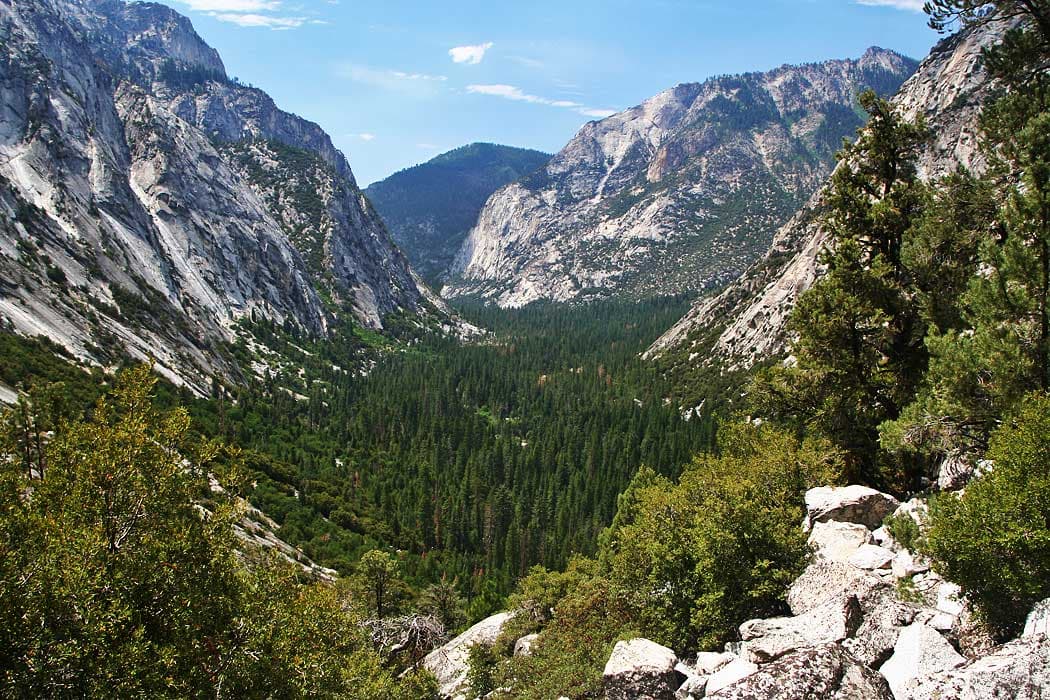
Sequoia National Park looks simple on a map until you start driving uphill, watching the temperature change, and realizing that every scenic stop costs more energy than it looked like from the couch.
For a one-day visit, the planning question is not "Can we see everything?" It is: where should the day be centered so the group gets the big Sequoia experience without turning the route into a fatigue contest?
The short answer
For most first-time one-day visitors, build the day around the Giant Forest area, keep the Foothills area as your weather or energy backup, and treat Moro Rock, Crescent Meadow, or other side stops as optional add-ons.
That does not mean Giant Forest is always easy. It sits much higher than the park entrance areas, so conditions can feel completely different from where you started the morning. Roads can be winding. Parking can take patience. Seasonal shuttles or access rules may affect how you move between stops. Snow, smoke, heat, road work, closures, and trail conditions can all change the shape of the day.
So the better one-day plan is not a rigid hour-by-hour script. It is a priority order:
- Main goal: spend real time among the big trees in Giant Forest.
- Backup: use lower elevation Foothills stops if weather, roads, group energy, or timing make the high country harder.
- Optional add-on: choose one extra short stop only if the day is going well.
Before you rely on any plan, check current National Park Service alerts, operating rules, road and trail status, weather, shuttle details, permit requirements, and any timed entry or reservation information that may apply to your visit date.
Why Sequoia is tricky for one day
Sequoia is not just "a few famous trees and a viewpoint." The park climbs from lower, hotter foothill terrain to higher forested areas where the air can be cooler, windier, wetter, or snowier.
That elevation change creates three planning traps.
First, the weather can split the park into two different days. You might start in warm conditions near the entrance and find cold wind, rain, snow, ice, or low visibility higher up. In summer, the reverse can also matter: lower areas can feel hot enough that a midday stop drains everyone faster than expected.
Second, the drive takes concentration. The Generals Highway is scenic, but it is also winding and slower than many visitors expect. If someone in your group gets carsick, needs frequent breaks, or hates long mountain drives, that should shape the day.
Third, the famous stops are not all equal in effort. A short walk at elevation can feel harder than the same distance at home. Stairs, grades, sun exposure, icy patches, and crowded paths can all change what is realistic.
If you want a broader framework for weather decisions, use How to plan a US national park day around changing weather before locking in your route.
Put the hardest choice before lunch
The hardest choice in a Sequoia day is whether to stay focused on Giant Forest or start chasing extra stops.
Make that choice before lunch, not at 3 p.m. when everyone is tired and pretending they are fine.
A practical morning looks like this: arrive with Giant Forest as the main target, get oriented, visit your highest priority big tree stop, and take the walk or viewpoint your group can actually enjoy. If parking, weather, or shuttle movement eats more time than expected, that is not failure. That is the park giving you information.
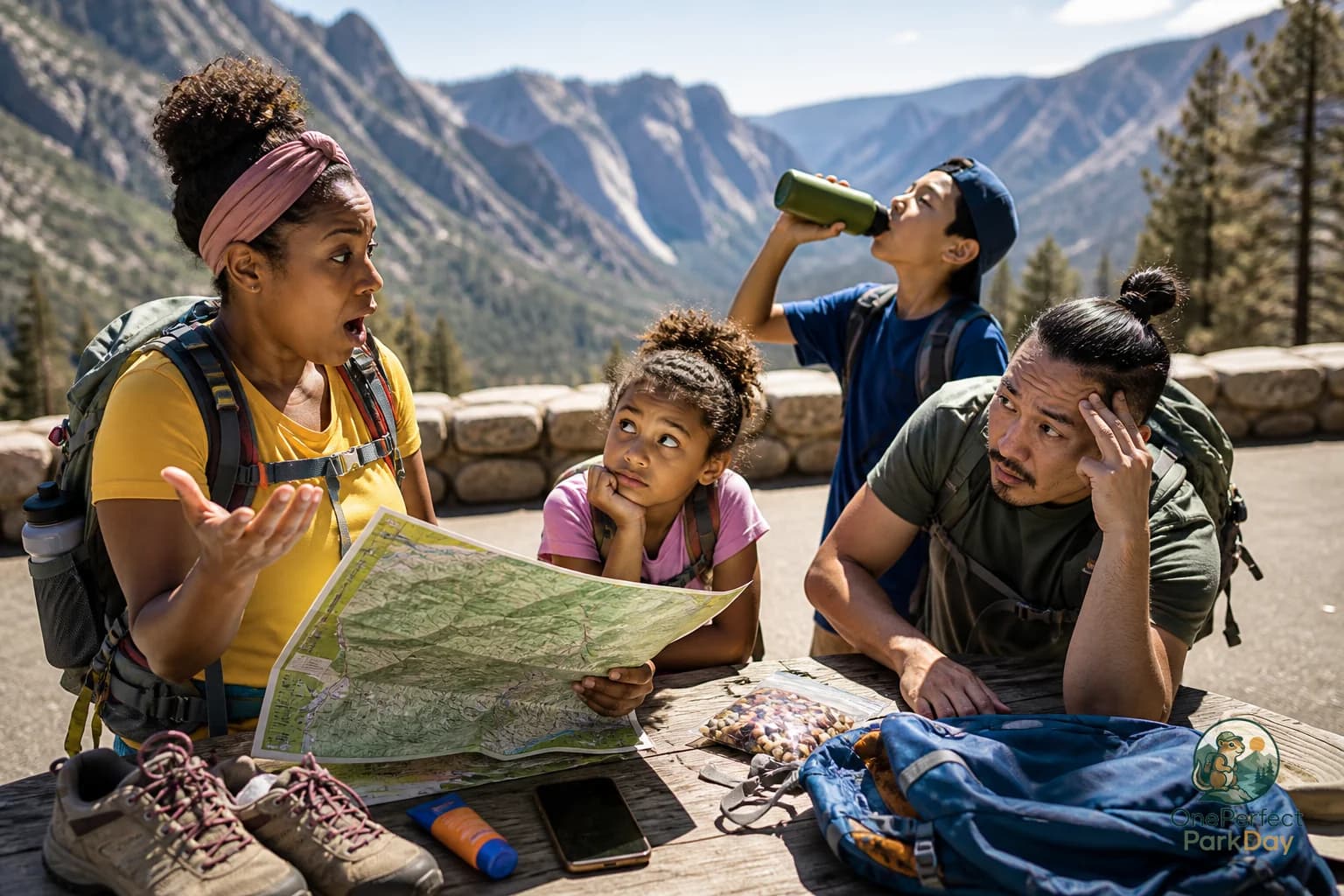
After the main tree experience, pause. Eat. Refill water if available. Check the latest conditions. Ask the group how they are doing without accepting the automatic "we're good" answer from the most ambitious person in the car.
Then decide whether the optional add-on still makes sense.
Moro Rock can be a memorable stop when conditions, access, and group ability line up, but it is not a casual add-on for every visitor. Crescent Meadow can be a calmer choice for some groups when open and accessible, but it still costs time and energy. Tunnel Log or nearby scenic stops may be tempting, but they should not steal the main reason you came.
If you are balancing driving and walking, How to balance scenic drives and short hikes in a US national park is a useful companion.
Common mistakes to avoid
The big mistake is planning Sequoia like a flat park with quick pullouts. It is not.
Another mistake is putting too many famous names on the list. General Sherman, Giant Forest, Moro Rock, Crescent Meadow, Tunnel Log, Foothills stops, visitor centers, picnic breaks, and every viewpoint will not all fit neatly into one calm day for most groups.
People also underestimate food and water. If you wait until everyone is hungry, thirsty, and slightly annoyed, the next decision gets worse. Pack more than the bare minimum, especially if you have kids, older adults, slow walkers, or anyone who gets grumpy when meals slide.
Do not treat the optional stop as a promise. If the weather turns, parking is difficult, shuttle timing does not line up, or the group is fading, skip it. The trees are the point. Protect the point.
And do not ignore the descent. Driving back down after a full day takes attention. Save enough daylight, patience, and driver energy for the exit, especially if you are leaving after sunset or in poor weather.
Questions to check before you go
Use these questions the day before and again the morning of your visit:
- Are there current NPS alerts for roads, fire, smoke, snow, construction, closures, or services?
- Are tire chains, seasonal road limits, shuttle rules, timed entry, permits, or reservations relevant for today?
- What is the forecast for both the entrance area and Giant Forest, not just the nearest town?
- Which stop is the non-negotiable one for your group?
- What will you skip if the drive takes longer than expected?
- Where can you eat, refill water, use restrooms, and take a real break?
- Does anyone in the group need shorter walks, fewer stairs, accessible routes, shade, or more frequent stops?
- What is your turnaround time so the drive out does not become the worst part of the day?
A simple Sequoia one-day checklist
Use this as a planning checklist, not a guarantee.
- Pick Giant Forest as the main area unless current conditions push you lower.
- Choose one big tree priority before adding anything else.
- Check current NPS alerts, road status, trail status, weather, shuttle details, permits, and operating rules.
- Bring layers for higher elevation, even if the entrance area feels warm.
- Pack water, snacks, lunch or a clear meal plan, and a trash bag.
- Build in a real break after the main tree stop.
- Keep Foothills stops as a lower elevation backup if weather or road conditions change.
- Choose only one optional add-on: Moro Rock, Crescent Meadow, Tunnel Log, or another nearby stop that fits current access and group energy.
- Set a latest departure or turnaround time before the day starts.
- Let the weakest energy level in the group shape the final hour.
A realistic way to think about the day
A strong one-day Sequoia plan is not the longest list. It is the plan that gets your group into the giant sequoias with enough time, warmth, food, water, and patience to enjoy them.
If the day goes smoothly, add one more nearby stop. If the weather gets messy, the road feels slow, or the group is fading, hold the line and skip the bonus. That is not wasting the trip. That is refusing to turn a rare park day into a checklist you barely remember.
For help shaping a flexible plan around your actual group, start with One Perfect Park Day at oneperfectparkday.com.
Practical note
This article is general US National Park planning information. Park rules, hours, weather, trail conditions, road closures, shuttle service, accessibility procedures, permits, and crowd levels can change. Check the official National Park Service site or app before relying on any plan.