
Planning / 7 min read
How to plan one day in congaree national park around heat water and boardwalk time
Plan one day in Congaree National Park around the boardwalk, heat, wet trails, mosquitoes, food, water, breaks, and backup choices without overloading the day.
October 5, 2026
Congaree looks simple on a map. That is exactly why people overload it.
A one-day visit usually does not fall apart because the park is too big. It falls apart because the weather is sticky, the trail is wetter than expected, the mosquitoes are winning, or someone thought a floodplain walk would feel like a normal forest stroll.
For Congaree National Park, the smartest one-day planning question is not how many stops can you fit. It is how much boardwalk and lowland trail time your group can enjoy before comfort drops off.
Before relying on any plan, check current NPS alerts, operating rules, road and trail status, weather, permits, water conditions, and any shuttle, timed entry, or paddling details that apply to your date.
Short answer
For most first-time one-day visitors, make the Boardwalk Loop area your main plan, choose one longer nearby walk only if conditions and energy are good, and keep the optional add-on truly optional.
That means your day might look like this:
- Start at the Harry Hampton Visitor Center area.
- Do the Boardwalk Loop early, or at least before the hottest part of the day.
- Pause before committing to more mileage.
- Add part of a longer trail, a ranger program, or quiet time near the visitor center only if the group still feels good.
- Skip the extra piece without guilt if heat, flooding, bugs, storms, or fatigue show up.
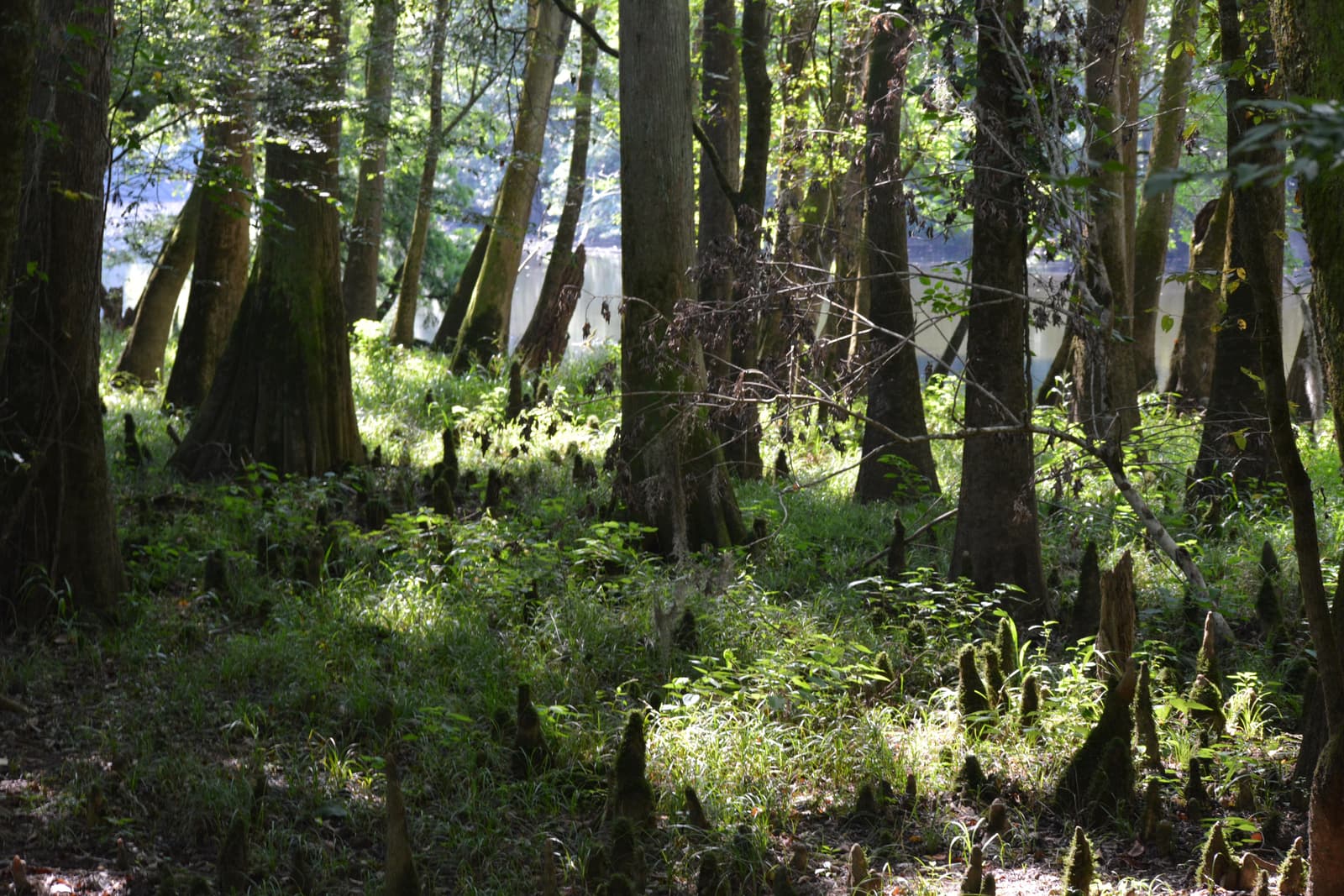
Congaree rewards attention more than mileage. The old growth bottomland forest is the point. If you rush through it while swatting bugs and rationing water, you technically visited, but you made the park harder than it needed to be.
What changes the plan at Congaree
Congaree is a floodplain park, so the day is controlled by comfort and conditions more than elevation or long driving distances.
Heat and humidity matter. A moderate distance can feel bigger when the air is heavy and shade does not feel as cooling as you expected. If your group includes kids, older adults, heat sensitive hikers, or anyone who fades after lunch, put your highest priority walk first.
Water changes the trail math. Sections can be muddy, wet, or closed after flooding. Do not assume every loop shown on a map is a good idea that day. Check current trail status and be willing to shorten the route.
Mosquitoes can change the mood fast. Bug protection is not a cute extra here. It can decide whether your group lingers, learns, and enjoys the forest, or starts bargaining to leave after twenty minutes.
Thunderstorms deserve respect. In warm seasons especially, a calm morning can turn into an afternoon you do not want to spend deep on a trail. Watch the forecast and avoid building a plan where the farthest point from the car happens during the most unstable part of the day.
There is also the food issue. Congaree is not a park where you should count on solving lunch casually inside the park. Bring enough food and water for your actual plan, then keep backup snacks in the car. For a broader framework, use How to plan meals for one day in a US national park.
Put the hardest choice before lunch
The hardest choice at Congaree is whether to stay with the boardwalk focused visit or add a longer trail segment.
Make that decision before lunch, not at 2:30 p.m. when everyone is hot and pretending they are fine.
After the Boardwalk Loop, stop and ask three boring but important questions:
- Is the group still comfortable?
- Are the trails reasonably dry and open for the route we want?
- Is the weather window still friendly?
If the answer is yes, add a nearby longer walk that you can shorten if needed. If the answer is mixed, choose a small add-on instead. If the answer is no, call the boardwalk the main event and shift into a lighter finish.
This is not underplanning. It is respecting the park you are in. A one-day itinerary should have decision points, not a trapdoor that drops everyone into extra miles because the schedule said so. If you like that style of planning, read How to plan one national park day around decision points.
Common mistakes
The first mistake is treating Congaree like a checklist park. It is tempting to stack the Boardwalk Loop, a longer trail, paddling, every overlook style stop, and a late lunch into one tidy day. On paper, it looks efficient. In swampy heat, it can feel ridiculous.
The second mistake is saving the boardwalk for later. The boardwalk is often the easiest anchor for a first visit, so do not bury it behind optional plans. If the weather turns or energy drops, you want the main experience already done.
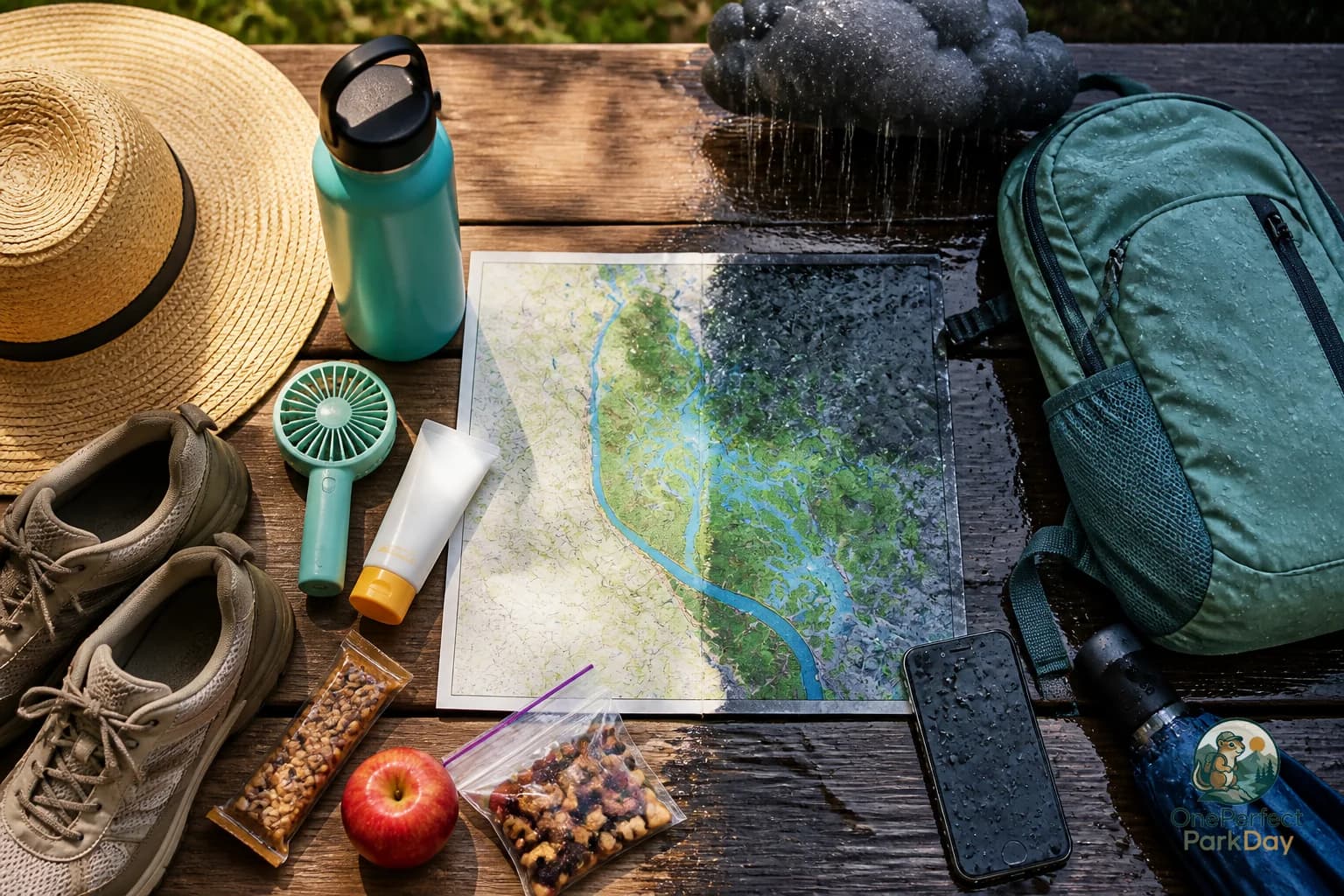
The third mistake is packing like this is a short neighborhood walk. Bring water, bug protection, sun protection, rain gear when the forecast calls for it, and shoes that can handle damp or muddy conditions. A small daypack is enough for many visitors, but empty pockets and optimism are a bad combo.
The fourth mistake is ignoring accessibility and pace. The boardwalk area may be the most practical option for some groups, but conditions still matter. Verify current accessibility details before you go, especially if someone in your group uses a mobility device or needs predictable surfaces and frequent breaks.
The fifth mistake is refusing to turn around. At Congaree, turning around early can be the move that saves the day. Pushing deeper while heat, bugs, or storms build rarely makes the story better.
Questions to check before you commit
Use these before you leave your lodging, then again at the visitor center area if conditions look different than expected.
- Are there current NPS alerts for flooding, closures, construction, or trail issues?
- What does the hourly forecast say about heat, rain, and thunderstorms?
- Are any permits, reservations, water condition checks, or program details relevant to what we want to do?
- Is our group dressed for humidity, bugs, mud, and possible rain?
- How much water do we have, and where is the backup water?
- What is our lunch plan if we leave earlier or stay longer than expected?
- What is the shortest version of our day that would still feel worth it?
- What is the clear turn back point for any longer walk?
That last question is underrated. Pick the turn back point while everyone is still cheerful.
A practical one-day checklist
Use this as a simple packing and pacing check, not a promise that every condition will cooperate.
- Check current NPS alerts and trail status before leaving.
- Check the hourly forecast, not just the daily high.
- Start with the visitor center and Boardwalk Loop area.
- Bring water for each person, plus extra in the car if practical.
- Pack snacks or lunch before arriving.
- Use insect repellent and consider light long sleeves or pants if bugs are active.
- Wear shoes that can handle damp ground or mud if you leave the boardwalk.
- Bring rain protection when storms are possible.
- Keep the longer trail choice optional until after the boardwalk.
- Set a turn back time before starting any add-on walk.
- Take breaks before people are overheated.
- Have a low effort backup, such as more time near the visitor center area or ending earlier without calling the day a failure.
A realistic finish
A good one-day Congaree plan is not packed to the edge. It has one main area, one conditional add-on, and one graceful exit.
The boardwalk can carry the day for many first-time visitors. A longer walk can be great when the trail, weather, and group energy line up. Paddling or bigger mileage may be worth planning around on another visit, but do not staple it onto a one-day plan just because it sounds impressive.
Congaree is quiet, wet, alive, and a little unforgiving when you ignore conditions. Give it a flexible day and it becomes much easier to enjoy.
Want help building a calmer park day around your actual group and constraints? Start with One Perfect Park Day at https://oneperfectparkday.com/?utm_source=mdx.
Practical note
This article is general US National Park planning information. Park rules, hours, weather, trail conditions, road closures, shuttle service, accessibility procedures, permits, and crowd levels can change. Check the official National Park Service site or app before relying on any plan.