
Planning / 7 min read
How to plan one day in crater lake national park around rim drive
Plan one day in Crater Lake National Park around Rim Drive with a main area, backup plan, weather checks, packing notes, breaks, food, and realistic tradeoffs.
October 7, 2026
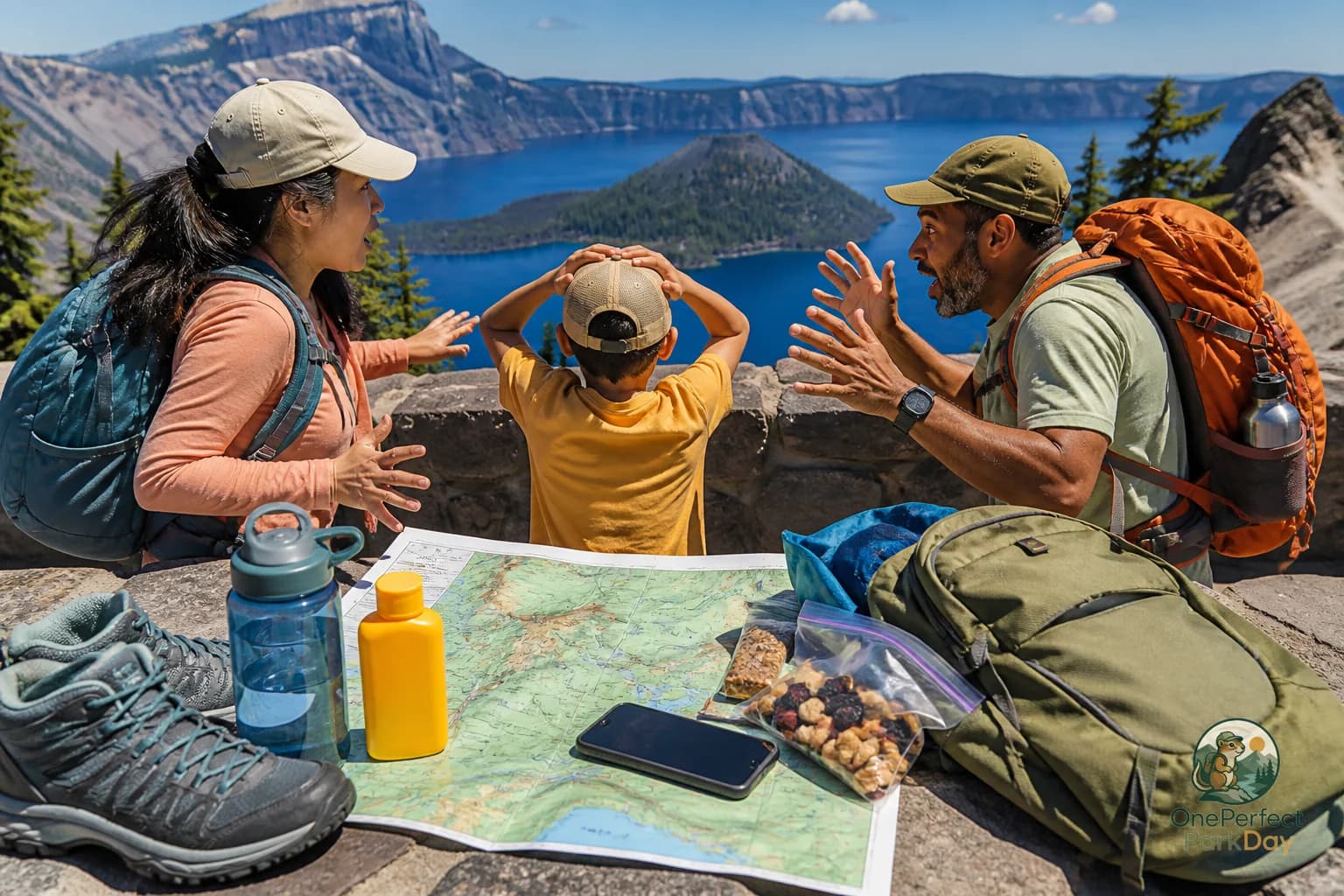
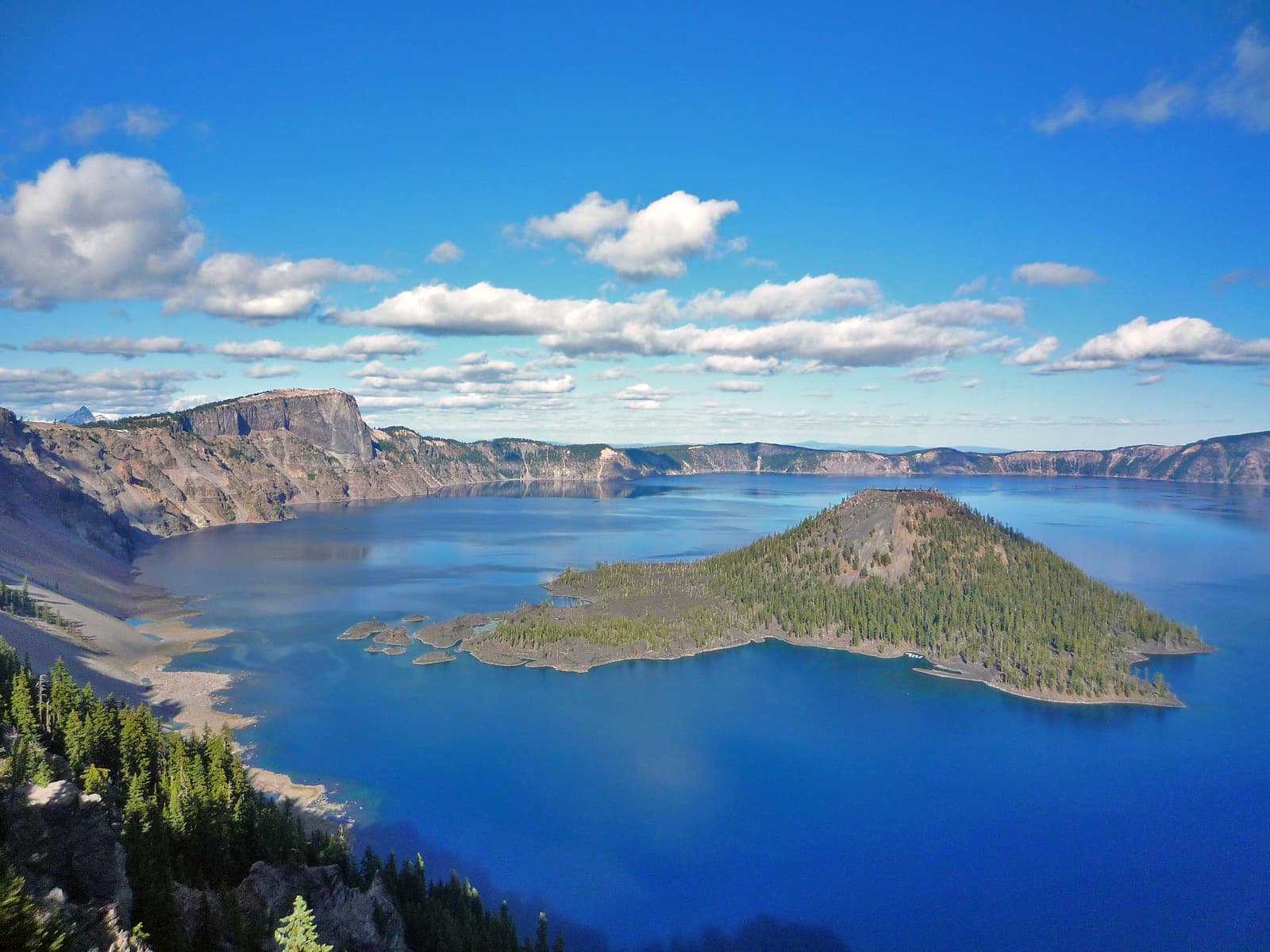
Crater Lake looks like an easy one-day park until the day starts making choices for you. The lake is the star, but the rim sits high, weather can move fast, snow can affect roads well beyond the dates visitors expect, and the scenic drive tempts people into stopping until everyone is tired and hungry.
The better question is not how many overlooks can you fit in. It is where should Rim Drive sit in the day so the lake still feels like the point.
Short answer
For one day in Crater Lake National Park, use Rim Drive as the frame, not the entire assignment.
Pick one main rim area first. For many visitors, that means starting around Rim Village, the Sinnott Memorial area if open, nearby viewpoints, and short rim walks where your group can actually slow down. Then choose one backup area that works if weather, road closures, smoke, or group energy changes the plan. Finally, add one optional stop only if the day is going well.
That structure keeps you from turning a crater into a scavenger hunt.
Before you rely on any version of this plan, check current NPS alerts, road status, trail status, weather, smoke conditions, services, boat tour details if relevant, and any current permit, shuttle, reservation, or timed entry rules that may apply during your visit.
The context that changes a Crater Lake day
Crater Lake is not just a lake viewpoint with a road around it. The rim elevation changes the day.
Weather can be colder, windier, or cloudier than nearby towns. A warm forecast lower down does not mean the rim will feel warm. In shoulder seasons, snow and partial road closures can reshape the day. Even in summer, smoke, storms, fog, or wind can cut visibility and make a long overlook plan less rewarding.
Rim Drive is also slower than it looks. The road has pullouts, curves, photo stops, and places where people naturally linger. If you treat every named viewpoint as mandatory, you spend the day getting in and out of the car instead of actually being at Crater Lake.
Services are another constraint. Food, water, restrooms, and fuel should not be assumed at every stop or every hour. Pack enough water and snacks for the whole group, and plan meals before everyone is already annoyed. If food planning is where your park days usually wobble, use How to plan meals for one day in a US national park before you finalize the day.
Accessibility matters too. Some viewpoints are easier than others, and snow, ice, construction, parking, and grade can change what feels realistic. Build the day around the person with the lowest energy or mobility margin, not the person who wants to see every pullout.
A simple main backup optional plan
Use this three-part frame instead of a fixed minute by minute itinerary.
Main area: Rim Village and nearby rim viewpoints. This gives you the classic lake experience without committing the whole group to a full drive immediately. Start here if visibility is good. Walk less than you think you need to. Sit longer than you think you should.
Backup area: an accessible lower effort rim segment or visitor center focused stop, depending on what is open. If clouds hide the lake, wind is rough, roads are limited, or your group is moving slowly, the backup day is not a failure. It is the version that keeps everyone fed, warm, and functional.
Optional add-on: a partial Rim Drive segment, a short walk, a specific overlook, the Pinnacles area if it fits your route and current conditions, or Cleetwood Cove only if your group is truly ready for the steep trail and it is open. Do not make the hardest physical option the thing that decides whether the day counts.
If you like building plans around decision points instead of wish lists, this pairs well with How to plan one national park day around decision points.
Common mistakes
The first mistake is saving the lake for later. If the morning is clear and the rim is open, go see the lake. Afternoon weather, smoke, tired kids, full parking areas, or a longer than expected lunch can eat the cleanest part of the day.
The second mistake is trying to complete Rim Drive no matter what. A full loop can be great when roads, daylight, weather, and group energy line up. It is not automatically the smartest one-day choice. Half a good rim day beats a full loop where nobody remembers anything after stop number nine.
The third mistake is underpacking because the route is mostly scenic driving. At Crater Lake, the car can feel close until it is not useful. Bring layers, sun protection, water, snacks, basic first aid, and a real plan for lunch. Elevation, wind, and glare can make a casual day feel sharper.
The fourth mistake is making Cleetwood Cove an automatic stop. It is the trail to the lake shore, and that makes it tempting. It is also steep, seasonal, and not the right choice for every group. Check current status and be honest about the climb back up.
Questions to check before you go
Ask these before you leave lodging, not after you enter the park.
- Which entrances and roads are open today?
- Is Rim Drive fully open, partly open, or not realistic for our visit?
- What is the rim forecast, not just the nearby town forecast?
- Are smoke, storms, snow, ice, or high wind likely to affect visibility or comfort?
- Which visitor services, restrooms, food options, and water sources are open?
- Are any trails, overlooks, boat tours, or facilities closed or operating seasonally?
- Do we need any current reservation, permit, shuttle, or timed entry information for the activity we are considering?
- What is our latest sensible turnaround time so we are not driving tired in fading light?
That last question is underrated. Crater Lake can sit far from where visitors sleep. A beautiful sunset is less charming if your group still has a long dark drive and no dinner plan.
Practical checklist
Use this as the rough pack and planning list for a one-day Crater Lake visit.
- Check current NPS alerts and road status the night before and the morning of your visit
- Pack warm layers, even when the regional forecast looks mild
- Bring sun protection, including sunglasses and sunscreen for lake glare
- Carry enough water for the full group, plus more than you would bring for a short city walk
- Pack lunch or reliable snacks unless you have confirmed open food service that fits your timing
- Download or carry offline maps because service can be limited
- Choose your main rim area before arrival
- Choose one backup area in case the lake is hidden or roads are limited
- Choose one optional add-on, not four
- Set a turnaround time before the day gets away from you
- Keep a low effort stop available for kids, older adults, or anyone fading early
- Recheck trail and facility status before committing to a steep hike or long drive segment
Leave some lake in the day
A strong Crater Lake day is not measured by how many overlooks you collect. It is measured by whether your group gets enough clear time with the lake, stays comfortable at elevation, and still has enough energy for the drive out.
Plan the day like conditions might change, because they might. Put the lake first when you can see it. Let Rim Drive support the day instead of swallowing it. Keep the optional stop optional.
If you want help shaping a calmer one-day national park plan, One Perfect Park Day is built for exactly that kind of visit: real groups, real limits, and better decisions before the day gets messy. Start at One Perfect Park Day.
Practical note
This article is general US National Park planning information. Park rules, hours, weather, trail conditions, road closures, shuttle service, accessibility procedures, permits, and crowd levels can change. Check the official National Park Service site or app before relying on any plan.