
Planning / 6 min read
How to plan food and water for one day in a US national park
A practical food and water plan for one day in a US national park, including what to carry, what to leave in the car, when to eat, and how to avoid the 2 pm crash.
October 14, 2026
Most one-day US national park plans spend a lot of energy on overlooks, trails, scenic drives, and arrival timing. Fair. Those are the fun parts.
But food and water are what keep the day from getting weird.
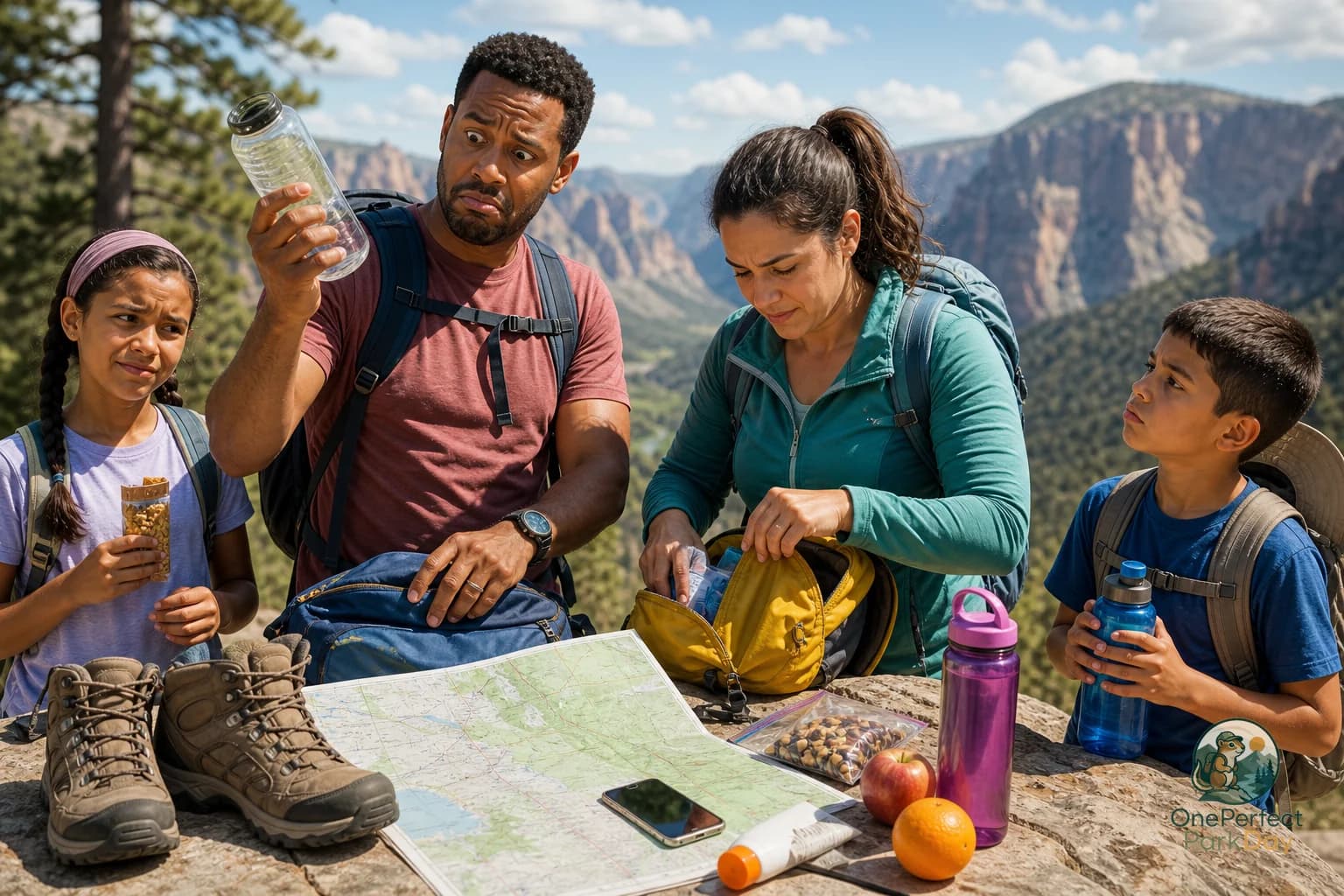
A hungry group does not make good trail decisions. A thirsty group turns every overlook into a negotiation. And if you wait until everyone is already cooked, tired, and mildly annoyed, lunch is no longer lunch. It is damage control.
This is not about packing for every disaster. It is about giving your park day enough fuel and flexibility that you can enjoy the plan you worked so hard to build.
The short answer
For one day in a US national park, plan food and water in three layers:
- What each person carries while away from the car
- What waits in the car for resets and backup
- Where you might buy food or refill water if available
Do not build the whole day around the hope that every visitor center, lodge, cafe, shuttle stop, or trailhead has exactly what you need when you need it. Some parks have plenty of services. Some have almost none. Some have seasonal closures, long drives between developed areas, or rules that change by area.
Before you go, check the current National Park Service page for the park you are visiting, including alerts, operating hours, water availability, road status, shuttle rules, food service, and any local food storage requirements.
Then assume your group will eat earlier than you think and drink more often than they claim.
Start with the shape of your day
Food and water planning should match the day you are actually doing.
A scenic drive day with frequent stops needs different planning than a day built around one longer hike. A shuttle based day needs different planning than a car based day. A hot, exposed desert day is not the same as a cool forest day where you keep returning to the same picnic area.
Ask three questions before you pack:
- How long will we be away from the car at one time?
- Are we counting on park services for meals, snacks, or water?
- What is our hardest window of the day: morning, midday heat, long drive, shuttle stretch, or late afternoon exit?
That hardest window deserves the most attention. If your group has a two-hour hike before lunch, carry real snacks. If the scenic drive has long gaps between services, keep water and food in the car. If kids are involved, do not wait for the official lunch stop to feed them. That is how a pretty itinerary becomes a courtroom drama.
For a bigger framework, pair this with How to build a flexible one-day US national park plan.
What to carry away from the car
When you leave the car, carry enough for the time you are actually away, plus a little margin.
For most casual visitors, that means:
- Water for each person
- A salty snack
- A quick sugar or energy snack
- Any medication or personal food needs
- Kid food that does not require negotiation
- A small trash bag or zip bag for wrappers
The mistake is packing one big group snack and calling it done. Group food disappears unevenly. Someone eats early. Someone refuses it. Someone drops it. Someone suddenly hates the granola bar they personally selected yesterday.
For families, give each person a small snack option if age appropriate. It lowers the drama. It also makes it easier to stop briefly, eat, and keep moving.
Water is more personal. Weather, elevation, exertion, age, and medical needs all change the answer. A gentle overlook loop on a cool morning is not the same as a sunny exposed trail in July. Check the park’s current guidance and refill options, then carry enough that you are not rationing during the part of the day when you need it most.
What to leave in the car
If you have a vehicle with you, use it as a reset station. This is where many people underplan.
The car can hold:
- Extra water
- Lunch or heavier food
- A small cooler if appropriate
- Extra snacks for the drive out
- Electrolyte packets or drinks if your group uses them
- Napkins, wipes, utensils, and a trash bag
- Backup food for picky eaters or dietary needs
Do not bury this stuff under luggage. If the cooler, water, or lunch takes ten minutes to reach, you will put off the reset until everyone is cranky.
Also think about food storage. Some parks and areas have strict rules because of wildlife. Never feed wildlife, never leave food unattended, and check current park requirements for storing food, coolers, scented items, and trash. A casual picnic is still part of the ecosystem whether visitors act like it or not.
Plan eating around energy, not the clock
The standard vacation mistake is waiting for a normal meal time even though the day is not normal.
A national park day often starts early, involves more walking than usual, includes sun or altitude, and has limited food access. So yes, people may need lunch at 10:45. That is not failure. That is field management.
Think in energy checkpoints:
- Eat something before the first major stop if you left lodging early
- Snack before the longest walk, not halfway into a meltdown
- Lunch before the hardest afternoon stretch
- Reset before the final scenic drive or exit line
This is especially useful with kids, older adults, first-time hikers, and anyone who gets quiet when tired. Quiet tired can turn into done for the day very quickly.
If you are choosing between squeezing in one more stop or taking a proper break, be honest about the tradeoff. The extra stop is not free if it costs you the rest of the afternoon.
What people get wrong
They assume services are close together. In some parks, developed areas are far apart. A food stop that looks simple on a map can be a long detour once traffic, parking, shuttles, and road speed are involved.
They pack only sweet snacks. Candy and fruit snacks have their place, especially with kids, but salty food matters on long, hot, sweaty days.
They leave all the water in the car. That works until the overlook walk becomes longer than expected, the shuttle line takes time, or the short trail has no shade.
They plan lunch too late. A late lunch can be fine on a normal sightseeing day. In a national park, it often lands right when heat, crowds, fatigue, and decision overload pile up.
They forget the exit. The drive out still counts. Keep something for after the last stop, especially if dinner is far away.
For another way to pressure test the whole plan, read How to sanity check a one-day US national park itinerary before you go.
Questions to check before you go
Use these before you finalize your day:
- Where can we refill water, if anywhere?
- Are food services open on the date we are visiting?
- Are hours seasonal or limited?
- Are we using shuttles or walking away from the car for long stretches?
- Does the park or area have wildlife food storage rules?
- Does anyone in the group need specific food at specific times?
- What is our backup if the planned lunch stop is closed, crowded, or inconvenient?
- Where is the easiest place to take a real break?
The goal is not to control every variable. It is to remove the dumb variables, like realizing your only lunch plan is 45 minutes away in the wrong direction.
A simple food and water checklist
Before leaving lodging:
- Fill water bottles or hydration reservoirs
- Pack snacks where they are easy to reach
- Put lunch or heavier food in the car if needed
- Confirm food and water services on the park’s current NPS page
- Check weather, heat, elevation, and trail conditions
- Pack any required medication or personal nutrition items
- Add wipes, napkins, utensils, and a trash bag
- Keep some food for the drive out
Before leaving the car for a stop:
- Ask how long you expect to be away
- Bring water for that window
- Bring at least one snack if the stop could stretch longer
- Do not leave food unattended outside the vehicle
- Follow current park rules for wildlife and food storage
During the day:
- Snack before people are desperate
- Refill water when you can, not only when empty
- Take a real lunch break if the afternoon depends on it
- Save one easy food option for the end of the day
Build the day you can actually enjoy
Food and water will not make a crowded overlook empty or a closed road open. They will not guarantee clear skies, wildlife sightings, parking, shuttle space, or a perfect pace.
But they do make your group harder to knock off course.
A good one-day national park plan has anchors, backups, and breaks. Food and water are part of that structure, not an afterthought tossed into the trunk at 6 am.
Pack for the day you are really doing. Eat before the wheels come off. Keep water close enough that people actually drink it. That is not glamorous planning, but it is the kind visitors remember when the day still feels good at 4 pm.
If you want a calmer way to shape the whole day, start with One Perfect Park Day: https://oneperfectparkday.com/?utm_source=mdx
Practical note
This article is general US National Park planning information. Park rules, hours, weather, trail conditions, road closures, shuttle service, accessibility procedures, permits, and crowd levels can change. Check the official National Park Service site or app before relying on any plan.