
Planning / 6 min read
How to choose Grant Grove or Cedar Grove for one day in Kings Canyon National Park
Plan one day in Kings Canyon National Park by choosing between Grant Grove and Cedar Grove, with timing, road status, weather, food, breaks, and backup plans.
August 22, 2026
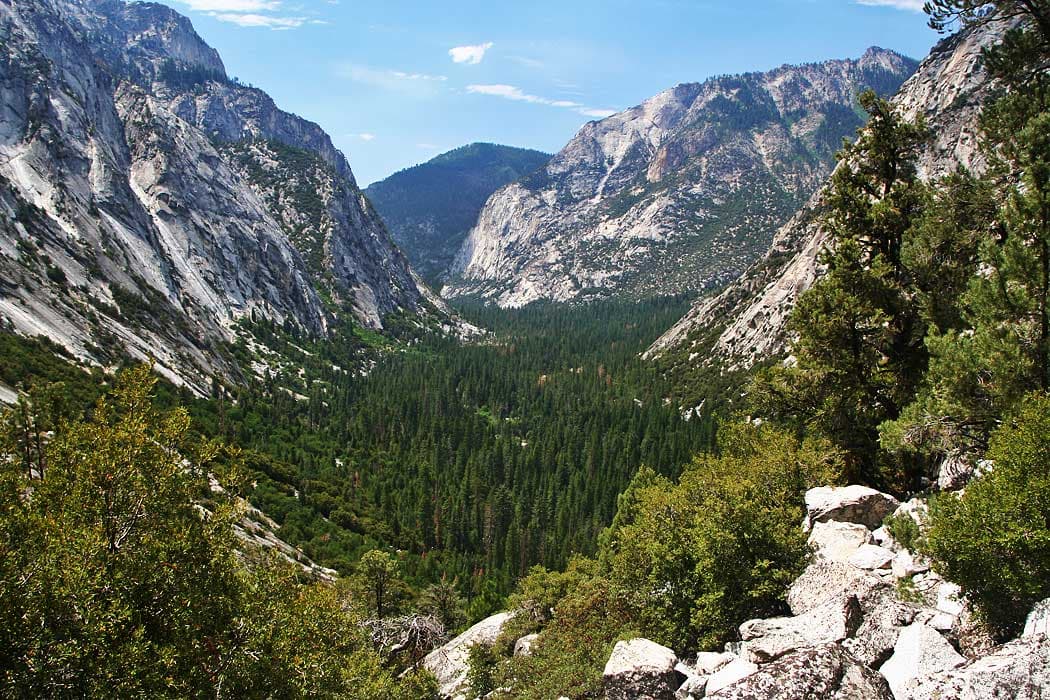
Kings Canyon National Park is easy to underestimate on a map. Grant Grove and Cedar Grove both look like obvious targets, but putting them both into a casual one-day plan can quietly turn the day into a long mountain drive with rushed stops, late food, tired passengers, and no real backup.
A better one-day question is not how much can we fit in? It is which side of Kings Canyon deserves the day we actually have?
Check current NPS alerts, road and trail status, weather, fire or smoke conditions, operating rules, permits, and any current entry or shuttle details before you rely on any plan. Kings Canyon is not a park where yesterday’s conditions always help you much.
The short answer
For most one-day visitors, Grant Grove is the safer default plan. It gives you the giant sequoia experience, shorter driving loops, easier break points, and more room to adjust if someone is tired, weather moves in, or parking takes longer than expected.
Cedar Grove is the bolder choice. It can be a memorable canyon-focused day when the road is open, daylight is generous, weather is stable, and your group is comfortable spending a serious chunk of the day in the car. The tradeoff is simple: Cedar Grove gives you a deeper canyon day, but it spends your flexibility.
So choose Grant Grove if you want a lower stress one-day visit with big trees and shorter commitments. Choose Cedar Grove if the scenic drive itself is the point and your group understands that the day will be shaped by distance.
If you are still building your must-see list, use the same filter from How to choose must-see stops for one national park day: pick the stops that define the day, then stop pretending every extra overlook is free.
What changes the choice at Kings Canyon
The biggest factor is road status. Access toward Cedar Grove depends on current road conditions and seasonal operations, and closures can change the whole plan. If the Cedar Grove route is closed or looks questionable, do not make the day revolve around it. Build around Grant Grove and save the canyon drive for another visit.
The second factor is daylight. A long scenic drive feels different in June than it does in October. If sunset is early, you need a harder turnaround time. Driving mountain roads late, hungry, and tired is not a charming vacation memory.
Weather is the third factor. Grant Grove sits at elevation, so conditions can feel cooler or more variable than visitors expect. Cedar Grove and the canyon corridor can bring different heat, storm, smoke, and visibility concerns. Do not dress for the hotel parking lot and assume the whole park will match.
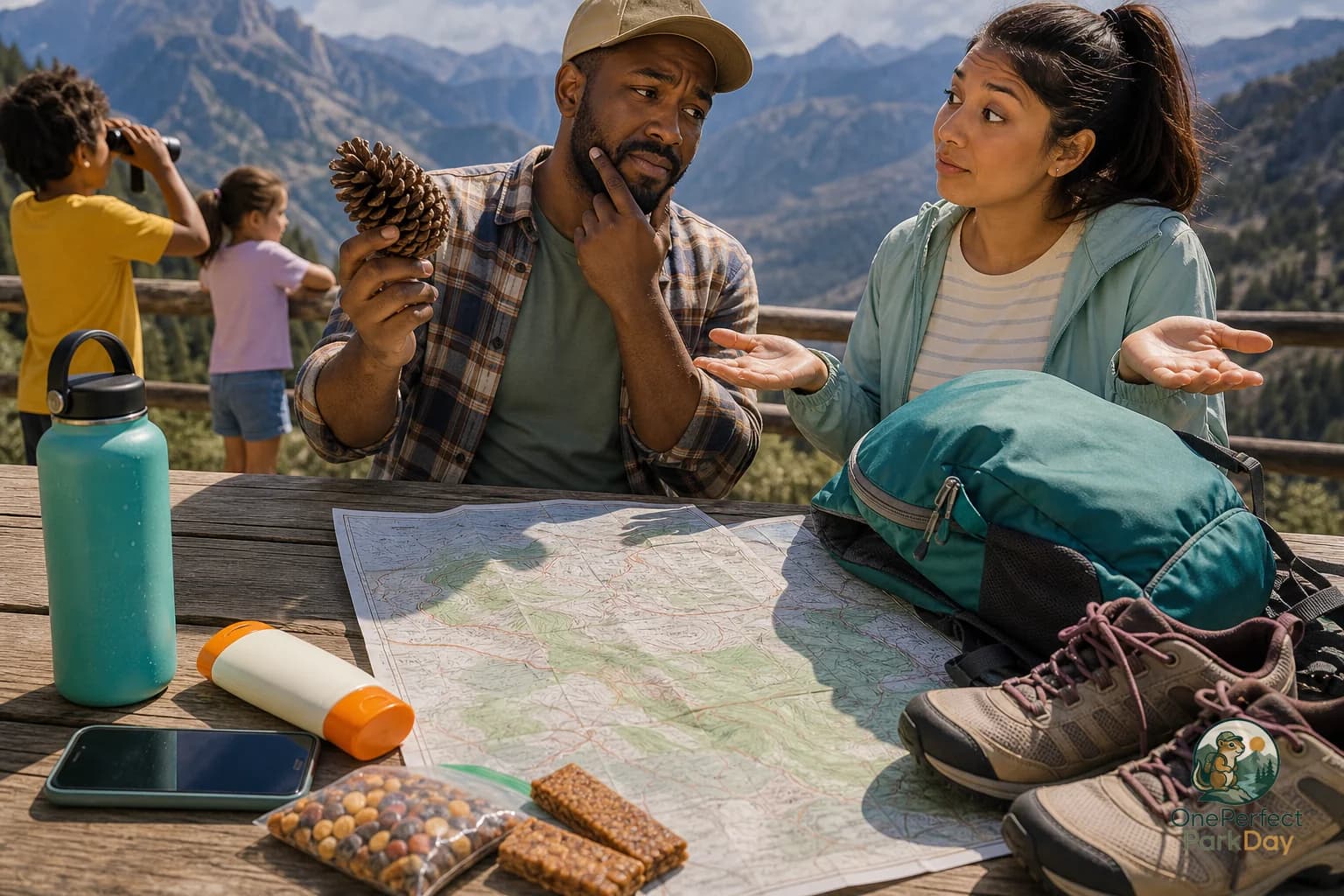
Food and water also matter more than people want them to. Services may be limited, seasonal, or farther apart than your group expects. Pack enough water, snacks, and a real lunch plan before you commit to a long drive. Kings Canyon is a bad place to discover that the only person who packed food brought one granola bar and optimism.
Last, be honest about your group. Kids, older adults, motion-sensitive passengers, and anyone dealing with altitude, heat, or mobility limits may enjoy a tighter Grant Grove day much more than an ambitious Cedar Grove push. A national park day is not better because everyone endured it.
Common mistakes to avoid
The first mistake is treating Grant Grove as a quick opening act before the real day begins. If big trees are one of your reasons for visiting, give them the good part of the day, not the scraps between parking stress and a long drive.
The second mistake is adding Cedar Grove late in the morning because the map makes it look straightforward. Mountain driving eats time differently. Stops, curves, overlooks, restroom breaks, photos, road work, weather, and slow traffic can all stretch the day.
The third mistake is planning only scenic stops and no recovery time. Even short walks feel different at elevation or in heat. Build in a real sit-down break before the group starts negotiating with snacks in a parking lot.
The fourth mistake is ignoring accessibility until arrival. Before choosing a main area, check current NPS accessibility information for parking, restrooms, trail surfaces, grades, and seasonal closures. A beautiful stop that half your group cannot comfortably reach is not a good anchor.
The fifth mistake is refusing to cut the optional add-on. If you choose Grant Grove, the optional add-on might be one extra overlook, a short nearby walk, or a visitor center stop if open. If you choose Cedar Grove, the optional add-on may need to disappear entirely. That is not failure. That is planning.
For help pairing drive time with short walks instead of stacking both endlessly, read How to balance scenic drives and short hikes in a US national park.
Questions to check before you decide
Ask these before the day starts, not after everyone is buckled in:
- Is the Cedar Grove road open and suitable for today’s conditions?
- Are there current alerts for fire, smoke, storms, snow, rockfall, construction, or closures?
- How much daylight do we have after accounting for the drive back?
- Does our group want giant trees, canyon scenery, short walks, or a calmer day most?
- Where will we refill water, eat lunch, and take restroom breaks?
- What is our turnaround time if we choose the longer drive?
- What is our backup if parking is full, weather changes, or someone runs out of energy?
- Are current trail and facility conditions workable for our group’s mobility needs?
The answer pattern usually tells you the plan. If several answers are uncertain, stay closer to Grant Grove. If the answers are clean and the group actively wants a road-centered day, Cedar Grove may be worth the commitment.
A simple one-day checklist
Use this as a calm planning pass the night before or the morning of your visit.
- Choose one main area: Grant Grove or Cedar Grove.
- Pick one anchor experience: giant sequoias, canyon drive, short walk, overlook, or quiet picnic.
- Set a firm turnaround time before starting any long drive.
- Check current NPS alerts, road status, weather, trail conditions, and operating rules.
- Pack water, lunch, salty snacks, sun protection, layers, and any needed medications.
- Download or carry an offline map because service can be limited.
- Identify restrooms and realistic break points before the longest stretch.
- Keep one backup area that requires less driving.
- Make the optional add-on truly optional.
- Stop early enough that the exit drive is still safe and sane.
For a Grant Grove default, your backup can be simple: shorten the walk, add a quiet break, or swap a farther stop for a nearby viewpoint or facility if open. For a Cedar Grove day, your backup should probably be bigger: if the road, smoke, storms, heat, or group energy are not cooperating, pivot back to Grant Grove rather than forcing the canyon drive.
Leave room for the day you get
Kings Canyon rewards visitors who make one strong choice instead of three weak ones. Grant Grove and Cedar Grove are both worthy, but they do not ask the same thing from your day.
If you want the calmer version, choose Grant Grove and protect the pace. If you want the bigger drive and current conditions support it, choose Cedar Grove and respect the distance. Either way, build the day around alerts, daylight, food, water, breaks, and the people in your car.
Want a calmer way to sketch the day before you go? Start with One Perfect Park Day at oneperfectparkday.com.
Practical note
This article is general US National Park planning information. Park rules, hours, weather, trail conditions, road closures, shuttle service, accessibility procedures, permits, and crowd levels can change. Check the official National Park Service site or app before relying on any plan.