
Planning / 7 min read
How to plan a US national park day with kids without overdoing it
A realistic guide to planning one US national park day with kids, including timing, snacks, short stops, breaks, backup plans, and what to skip.
July 29, 2026
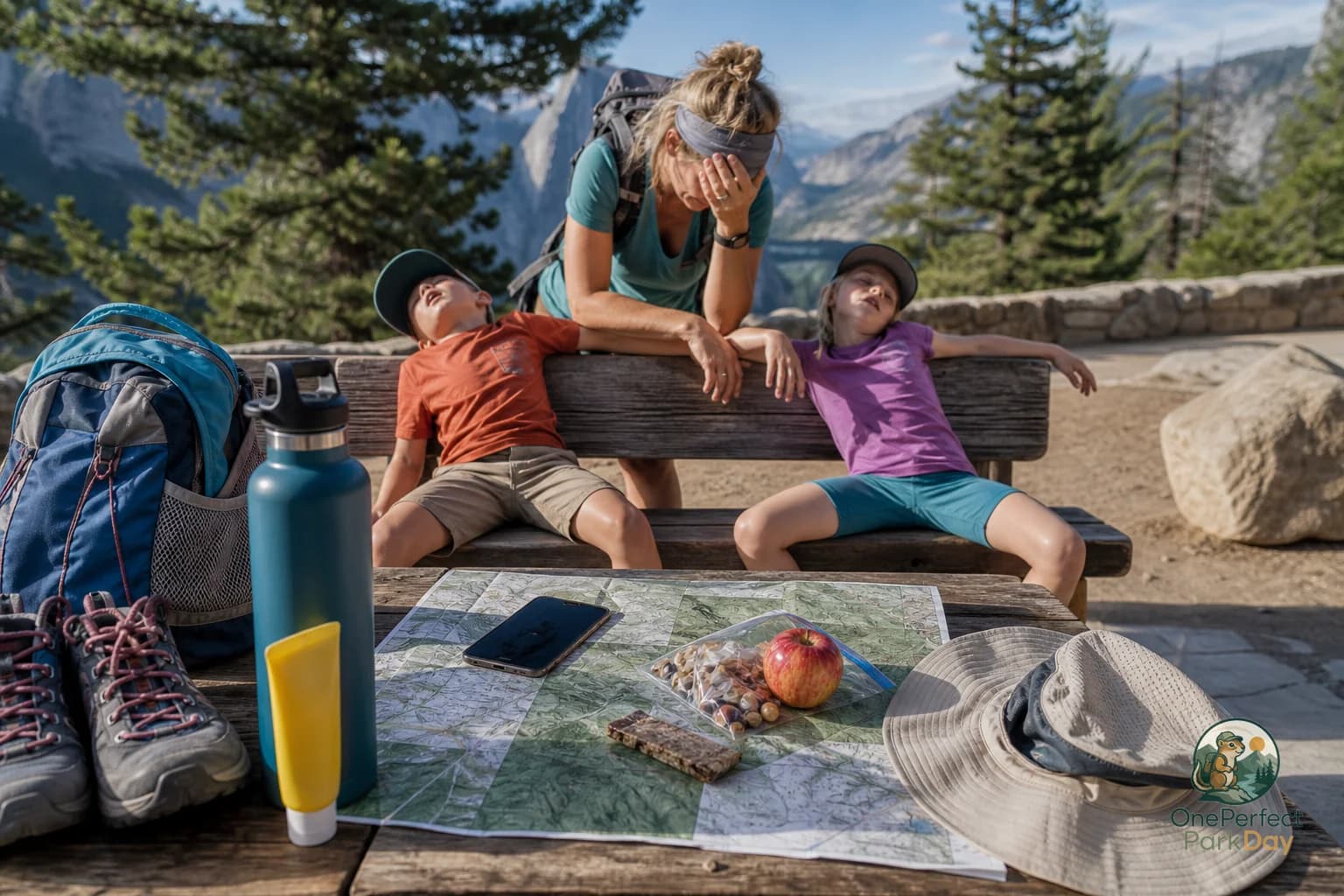
A national park day with kids can be fantastic. It can also fall apart fast if the plan is built like a grown-up sightseeing checklist with children dragged behind it.
The trick is not to lower your standards. It is to change the shape of the day. Kids often do better with fewer big moments, more transitions that make sense, and a plan that treats food, bathrooms, temperature, and boredom as real planning factors.
The direct answer
For one US national park day with kids, plan around three anchors: one early must-see stop, one flexible outdoor activity, and one easy reset later in the day.
That might look like a sunrise or early overlook, a short trail or visitor center stop, then a picnic, scenic drive, or easier viewpoint after lunch. Build the day around energy, not ambition.
A good family plan usually has:
- A realistic arrival window
- One or two true priorities
- Shorter walks with clear payoff
- Snacks before hunger turns into drama
- Bathroom stops treated as part of the route
- A heat, rain, or tired kid backup
- Permission to leave before everyone is miserable
If your plan only works when every kid is cheerful, every parking lot is open, and nobody needs the bathroom at the wrong time, it is not a plan. It is a wish.
What changes when kids are part of the park day
Kids change the math. A two mile walk is not just two miles. It is sun exposure, shoes, snacks, questions, rocks to inspect, bathroom timing, and whether the trail has enough variety to keep people moving.
Age matters too. A toddler needs shade, snacks, and safe wandering space. An elementary age kid may do great with short trails, junior ranger style activities, and a say in the plan. Teens may want bigger scenery, less hovering, and a stop that feels worth the early wake-up.
Weather matters more with kids than many adults expect. Heat, wind, cold, and sudden rain can turn a mild inconvenience into the reason the day ends early. If the forecast looks rough, trim the plan before you arrive. Do not wait until everyone is already fried.
Park layout matters as well. Some parks are easy to sample by scenic drive. Others require shuttle timing, longer walks, or more patience between stops. Before you commit to a route, check current National Park Service alerts and operating details for road, shuttle, trail, weather, and facility changes.
For help building a day around food and drinks, see How much food and water to bring for one day in a US national park. If you already know your group needs downtime, How to plan breaks during one day in a US national park is a useful companion.
Common mistakes families make
The first mistake is stacking too many famous stops. Parents often worry that skipping a landmark means wasting the trip. Usually, the opposite is true. A smaller plan gives kids enough energy to actually enjoy the places you do reach.
The second mistake is starting with the hardest activity. If your most demanding hike comes before breakfast settles, before everyone is awake, or during the hottest part of the day, you are gambling with the entire schedule.
The third mistake is packing for every disaster but not for the next hour. Extra layers are useful. So are snacks in the front pocket, water that is easy to reach, sunscreen that gets reapplied, and a bag for trash or wet clothes.
The fourth mistake is making the car the only break. Sitting in traffic or searching for parking is not always restful. Sometimes the better reset is a shaded picnic table, visitor center, quiet overlook, or flat path where nobody has to perform.
The fifth mistake is treating whining as failure. Kids get tired. Adults do too. A complaint does not mean the day is ruined. It may just mean the plan needs food, shade, a shorter stop, or a clean exit.
Questions to check before you lock the plan
Ask these before you build the route:
- What is the one thing we would be happy we saw, even if the rest of the day changes?
- What is the shortest activity that still feels special?
- Where are the bathrooms near our first two stops?
- Where can we eat without needing a perfect picnic spot?
- What part of the day is likely to be hottest, coldest, wettest, or most crowded?
- Do we need reservations, timed entry, shuttle planning, or road access updates for this park?
- Which stop can we cut without wrecking the day?
- What is our turn around signal: tired legs, heat, mood, time, weather, or daylight?
That last one matters. Decide the exit signal before the day gets tense. Families make worse decisions when everyone is hungry, hot, and trying to salvage the original plan.
A practical family checklist
Use this as a simple one day planning checklist:
- Pick one must-see stop, not five
- Choose one short walk, viewpoint loop, or visitor center activity
- Check current NPS alerts, road status, shuttle details, and weather before leaving
- Start earlier if heat, parking, or shuttle access could affect the day
- Pack easy snacks where adults can reach them fast
- Bring more water than you think the first hour requires
- Add sun hats, layers, rain gear, or gloves based on the actual forecast
- Know the bathroom options near your first half of the day
- Plan lunch before the group is desperate
- Keep one low effort backup, like a scenic drive, picnic area, or visitor center
- Give kids one small choice: trail, snack spot, overlook, or souvenir timing
- Stop while the day still feels good if the group is fading
A strong kid friendly national park day does not have to be soft or boring. It just needs rhythm. Start with the thing that matters most, give everyone enough fuel, then leave space for the park to surprise you.
A realistic way to end the day
The best family park days often end a little earlier than the adults imagined. That is not a loss. Ending with kids still smiling is better than forcing one more stop and making the whole day taste like exhaustion.
If the group has energy, add the extra overlook. If not, call it at the picnic area, visitor center, or scenic pullout. National parks are not going anywhere, and one good day beats one overloaded day every time.
Want a calmer plan for your next park visit? Build your day around your group, your park, and your weather at One Perfect Park Day.
Practical note
This article is general US National Park planning information. Park rules, hours, weather, trail conditions, road closures, shuttle service, accessibility procedures, permits, and crowd levels can change. Check the official National Park Service site or app before relying on any plan.