
Planning / 5 min read
How to plan one day in great smoky mountains national park around elevation and drive time
A calm one-day Great Smoky Mountains National Park planning guide for choosing one main area, watching elevation weather, leaving drive buffers, and avoiding an overloaded route.
November 4, 2026
One day in Great Smoky Mountains National Park can look simple on a map and still feel surprisingly messy by lunchtime. The park has no big entrance gate moment that organizes your day for you. You may be coming from Gatlinburg, Townsend, Cherokee, Pigeon Forge, or somewhere farther out. Roads are scenic but slow. Weather can feel different at a valley picnic area than it does on a ridge.
That is why the right planning question is not, “How do I see everything?” It is, “Which part of the park gets my best hours, and what do I do if elevation, drive time, or weather steals some of them?”
Short answer
For one day in Great Smoky Mountains National Park, choose one main area, one lower pressure backup, and one optional add-on.
A strong one-day plan might center on the Newfound Gap Road corridor if your group wants mountain views and classic park scenery. If conditions allow and the road is open, you can consider the Kuwohi area as the high elevation piece. Another solid plan centers on Cades Cove if your group wants historic buildings, open valley scenery, and a slower wildlife watching feel. A third plan stays closer to lower elevation rivers, visitor areas, picnic spots, and short walks when weather or group energy argues against chasing the highest ridges.
Do not try to make Cades Cove, Newfound Gap, Kuwohi, a waterfall hike, and a motor nature road all mandatory in the same day. That is not a plan. That is a stress test with pretty trees.
Before you rely on any version of the day, check current National Park Service alerts, road and trail status, weather, parking tag rules, seasonal closures, and any current operating details.
The context factors that shape the day
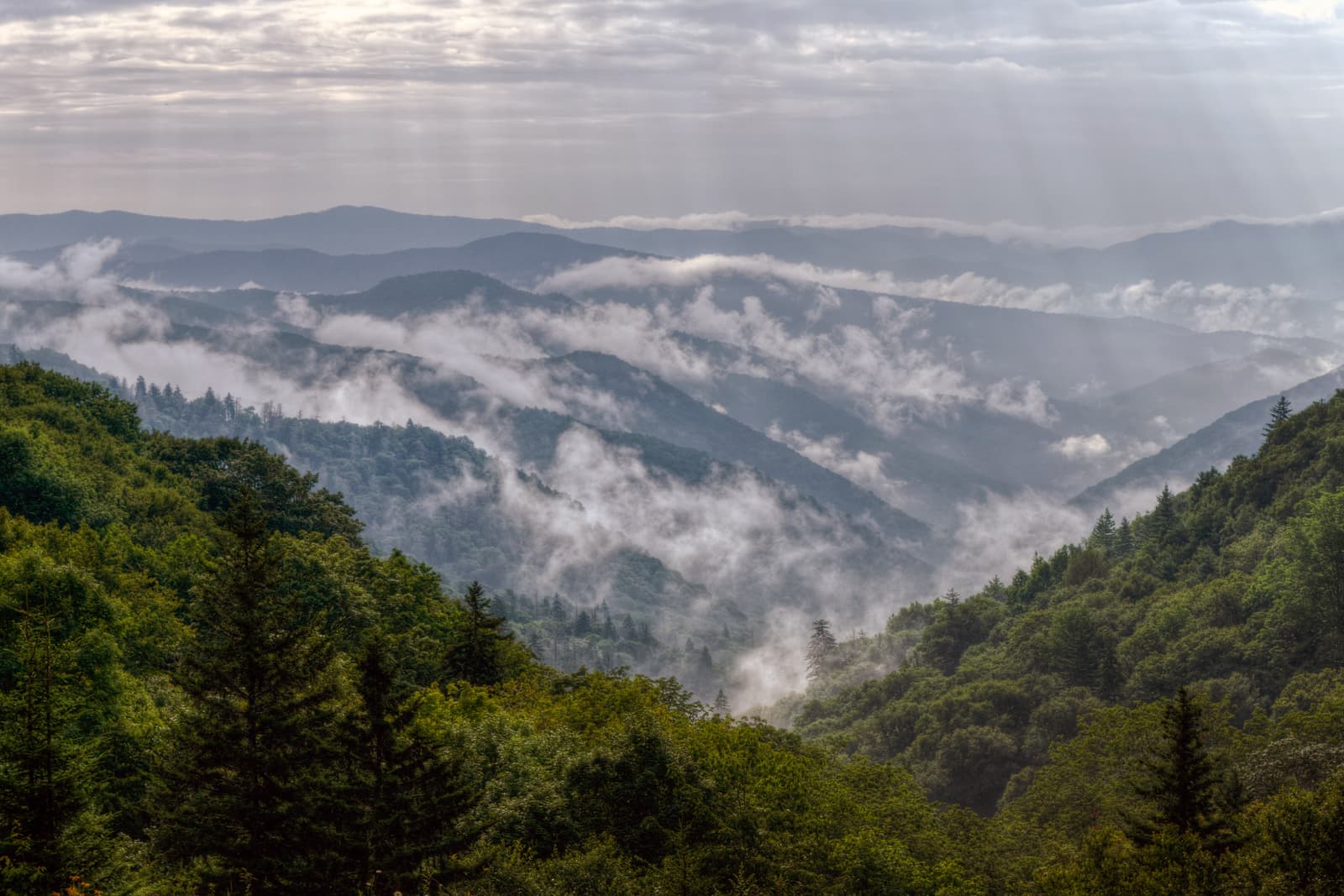
Elevation is the first big variable. Great Smoky Mountains National Park rises from low valleys to high ridges, so the weather you wake up in may not be the weather you meet later. Fog, wind, rain, colder temperatures, and reduced visibility can change the value of a high overlook fast. If the whole reason for the morning is a ridge view, check the forecast for higher elevations, not just the nearest town.
Drive time is the second variable. The park rewards slow movement. That is lovely if you planned for it and maddening if you built the day like a highway trip. Curving roads, pullouts, photo stops, bathroom stops, and cautious driving can stretch the schedule. Add a tired kid, a carsick adult, or an unexpected line of vehicles and your beautiful route can start eating the day.
Parking is the third variable. Popular trailheads, overlooks, and visitor areas can fill or feel crowded at peak times. You should not assume a specific parking spot will be open when you arrive. Build your route so a full lot is annoying, not fatal.
Food and water matter more than many first-time visitors expect. Services inside the park are limited compared with the towns outside it. Pack what your group needs for the day, especially water, snacks, and lunch if your plan keeps you away from town for several hours. For a broader planning framework, see How to plan food and water for one day in a US national park.
Daylight is the final governor. In fall and winter especially, a late start leaves less room for scenic stops and safer, calmer decisions. In summer, you may have more light, but heat, storms, and fatigue still set limits.
Common mistakes that make the Smokies feel harder than they are
The first mistake is treating every famous place as equally convenient. Cades Cove and Kuwohi are both iconic, but combining them casually can create a long driving day with very little margin. If you want a calm visit, one of them should probably be the main event, not both.
The second mistake is saving the highest elevation stop for last. Afternoon weather, clouds, road delays, and low energy can make that gamble feel silly. If a high viewpoint is the heart of your day, consider giving it an earlier slot, assuming current conditions and road status support that choice.
The third mistake is judging a walk only by mileage. In the Smokies, short trails can still be steep, muddy, rooty, rocky, humid, or slow for mixed ability groups. If someone in your group has mobility concerns, asthma, knee trouble, stroller needs, or limited trail confidence, pick stops with that person in mind from the start.
The fourth mistake is not having a bad weather version. Rain does not automatically ruin a Smokies day. Foggy overlooks, wet trails, and slick footing can change what is worth doing, though. A lower elevation river stop, visitor center, picnic break, or shorter walk may beat forcing a view that is currently inside a cloud.
If you need help choosing which stops deserve the best hours, use the approach in How to choose anchor stops for one day in a US national park.
Questions to check before you commit
Ask these before you lock the day:
- Which side of the park are we starting from, and how long is the drive before we even reach our first real stop?
- Is our main goal mountain views, historic valley scenery, a short hike, water features, fall color, or a gentle family day?
- Are the roads we care about open today, including any seasonal high elevation or motor nature roads?
- What does the forecast look like at the elevation we plan to visit?
- Where will we eat lunch if parking takes longer than expected?
- What is our turnaround time so we are not driving unfamiliar mountain roads while exhausted?
- What is the lower effort backup if the first trailhead is full, fogged in, closed, or too much for the group?
- Who in the group is most likely to get tired, cold, hungry, carsick, or overstimulated first?
That last person should shape the plan more than the most ambitious person. The mountain does not care who made the spreadsheet.
A practical one-day checklist
Use this as a planning check, not a promise of conditions.
- Pick one main area: Newfound Gap corridor, Cades Cove, or a lower elevation river and short walk day.
- Pick one backup area that is easier, lower, closer, or less dependent on a view.
- Pick one optional add-on that can be dropped without ruining the day.
- Check current NPS alerts, road status, trail status, weather, parking rules, and seasonal closures before leaving.
- Start with a full tank or comfortable fuel margin before entering the park.
- Carry water, snacks, and lunch or a clear meal plan.
- Pack layers, rain protection, sun protection, and footwear that can handle wet or uneven ground.
- Download or carry an offline map. Cell service can be limited.
- Set a latest possible turnaround time for the farthest stop.
- Build in at least one real break where nobody has to be hiking, navigating, or making decisions.
A realistic closing
Great Smoky Mountains National Park does not need a frantic checklist to feel worth the trip. It needs a cleaner choice. Put your best hours into one part of the park, treat elevation and drive time as real constraints, and let the optional stops stay optional.
If the ridge is clear, enjoy it. If the clouds sit low, shift down. If parking is messy, use the backup. A good Smokies day is not the one that touches the most map pins. It is the one your actual group can finish without feeling like the park won.
Want help turning one park day into a calmer plan? Start with One Perfect Park Day at oneperfectparkday.com.
Practical note
This article is general US National Park planning information. Park rules, hours, weather, trail conditions, road closures, shuttle service, accessibility procedures, permits, and crowd levels can change. Check the official National Park Service site or app before relying on any plan.