
Planning / 5 min read
Plan the day before you pack for one day in a US national park
A practical way to plan one day in a US National Park by choosing the day shape first, then packing only what supports it.
November 9, 2026
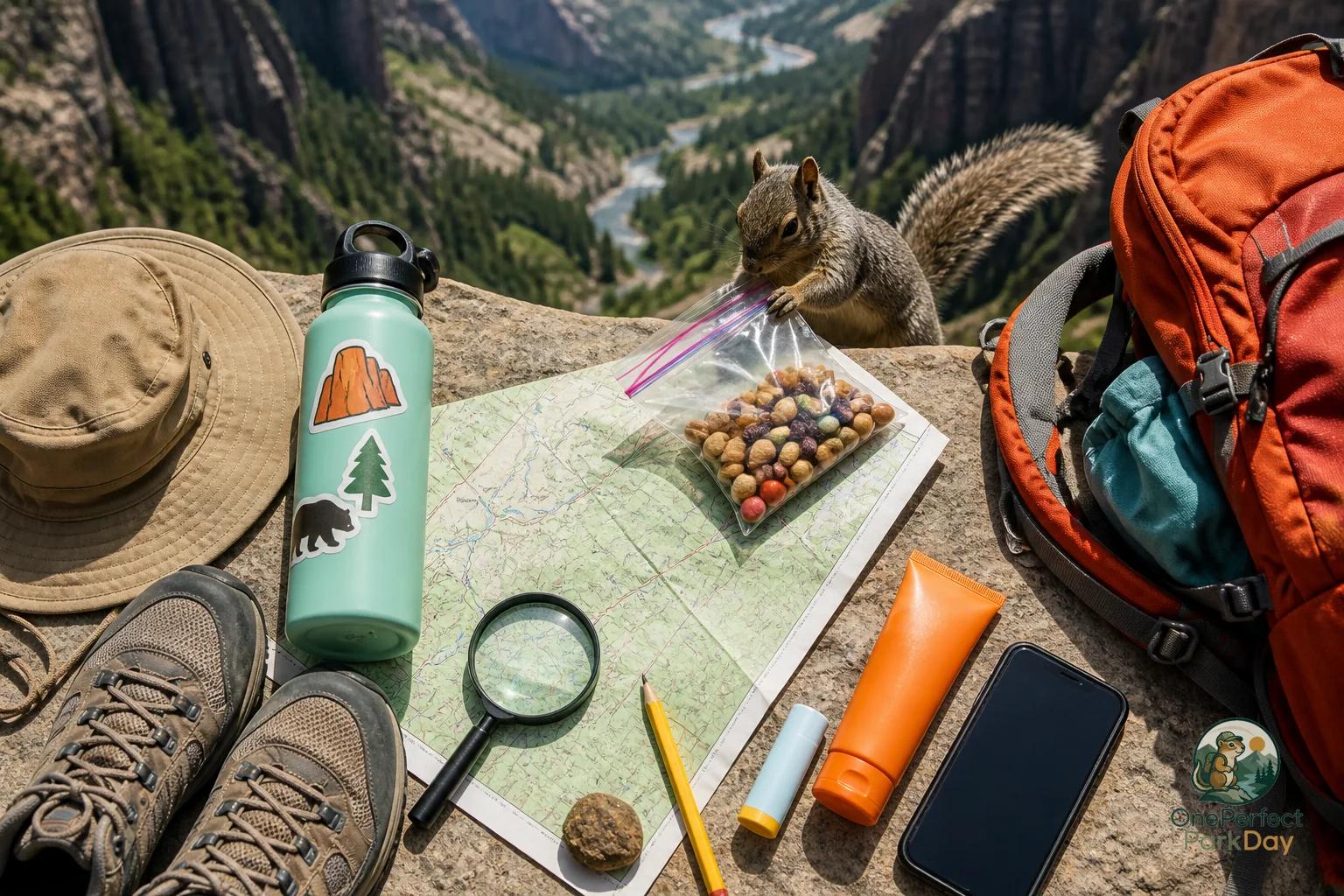
Most people start a US National Park day by asking, “What should I bring?”
Better question: what kind of day are you actually having?
A short overlook and visitor center day does not need the same setup as a shuttle based hiking day. A desert park in July does not ask the same things of you as a foggy coastal park in October. And a family day with kids, grandparents, snack needs, and short attention spans is a different animal than two adults trying to cover mileage.
Packing matters. But packing before planning is how you end up carrying too much of the wrong stuff and still missing the one thing your day actually needed.
Direct answer
Plan the shape of your US National Park day before you make the packing list.
Decide these five things first:
- Your main goal for the day
- Your earliest realistic arrival time
- How far you will be from your car or lodging
- Whether food, water, restrooms, shuttles, or shade are reliable on your route
- What would make the day uncomfortable enough to change plans
Then pack for that version of the day.
Not the most intense possible version. Not the social media version. Not the “maybe we will hike ten extra miles if everyone feels amazing” version.
Your packing list should support your plan, not quietly pressure your group into a harder day than they wanted.
If you are still choosing the structure of the day itself, start with How to plan a one-day US national park itinerary with time blocks. Time blocks make the packing decisions much easier because they show where the long gaps, meal windows, and fatigue points will probably land.
Context factors that should change what you bring
The same backpack can be smart in one park and silly in another. The difference is context.
Start with distance from backup. If you are rarely more than ten minutes from your car, you can leave more comfort items in the vehicle and carry a lighter bag. If you are using a shuttle, walking a loop, joining a cave tour, or heading to a viewpoint far from services, the daypack has to work harder.
Next, look at exposure. Sun, wind, cold, heat, rain, glare, and altitude can turn a simple day into a grind. You do not need to pack for every disaster, but you do need to respect the conditions that are common for the park and season you are visiting.
Then check your food and water assumptions. Some parks have visitor centers, shops, or water refill points near popular areas. Some do not. Some services close seasonally or change hours. Do not build your whole day around food, water, or shuttle access without checking current park information before you go.
Group needs matter too. Kids need more snacks and fewer heroic transitions. Older adults may need steadier footing, warmer layers, or longer breaks. Anyone with medication, mobility needs, allergies, or sensory limits should shape the plan early, not get treated like an exception at the trailhead.
Finally, think about your “turnaround triggers.” What would make you change the day? Thunder in the forecast, heat building faster than expected, a missed shuttle window, tired kids, a full parking area, or a trail closure all count. A good packing list gives you options without pretending you control the park.
Common mistakes that make a park day heavier
The first mistake is packing for anxiety instead of the itinerary. That usually means a giant bag full of duplicate layers, extra gadgets, and emergency items no one knows how to use, while the group still forgets sunscreen or lunch.
The second mistake is packing for the highlight only. People bring exactly what they need for the famous overlook, arch, canyon view, boardwalk, lake, or summit idea, but not for the rest of the day around it. The drive, waiting time, picnic, wind, bathroom gaps, and tired walk back all count.
The third mistake is assuming the car solves everything. The car only helps if you can get back to it easily. If your plan includes shuttles, one way walks, boat access, timed tours, or long scenic drives with few services, the car stash is not a magic backup.
The fourth mistake is letting gear create the itinerary. A full hiking setup can nudge people into a longer trail than they actually want. A cooler full of picnic food can make you overcommit to a specific lunch spot. A camera-heavy plan can burn daylight at the first two stops.
Bring useful things. Just do not let the stuff take over the day.
Questions to check before anything goes in the bag
Before you pack, ask these questions out loud:
- What is the one thing we most want to see or do today?
- Are we trying to hike, sightsee, picnic, take photos, learn, or keep the day easy?
- How long might we be away from the car at the longest stretch?
- Will we need to carry all food and water, or are there confirmed services on the route?
- What is the most likely weather problem for this park today?
- Where is our first planned break?
- What is our backup if the main stop is full, closed, smoky, stormy, too hot, or too much for the group?
- Who in the group gets hungry, cold, tired, overstimulated, or sore first?
- What can safely stay in the car, and what must stay with us?
That last question is the whole game. Your daypack is for things you may need before you can reasonably return to the car. The car is for comfort items, extra clothes, backup snacks, and the stuff that would be useful later but annoying all day.
For help narrowing the actual stops, use How to choose anchor stops for one day in a US national park. Once the anchors are clear, the bag gets lighter fast.
A practical one day checklist
Use this as a planning checklist, not a dare to fill every pocket.
- Choose one main goal for the day
- Pick two or three anchor stops at most
- Check current National Park Service alerts, road notes, trail status, weather, and operating details for the park you are visiting
- Confirm whether timed entry, reservations, shuttles, ferries, cave tours, or seasonal road access affect your plan
- Mark the longest stretch away from the car
- Decide where lunch or the main snack break will happen
- Pack water based on heat, effort, distance, and refill options
- Bring food that works if your planned lunch stop gets delayed
- Carry sun protection, rain protection, or warmth based on the actual forecast and exposure
- Keep medication, keys, wallet, phone, map or downloaded map, and basic first aid accessible
- Put extra layers, spare socks, extra snacks, and post hike comfort items in the car if the car is reachable
- Set a turnaround time or “change plans” point before the day starts
- Tell everyone the day has a backup plan, not a failure plan
A simple rule helps: if the item solves a likely problem during the next few hours, carry it. If it solves a possible later problem and the car is reachable, stash it. If it only solves a fantasy problem created by overplanning, leave it at home.
Close the bag and leave some room
A smoother US National Park day usually comes from fewer, better decisions. Pick the kind of day you are having. Pack for the actual gaps in that day. Leave space for weather, tired legs, closed areas, slow meals, and the person who needs one more break than expected.
You are not trying to defeat the park with a backpack. You are trying to give your group enough support to enjoy the day you chose.
If you want help shaping that day before the packing spiral starts, build a calmer one day plan with One Perfect Park Day.
Practical note
This article is general US National Park planning information. Park rules, hours, weather, trail conditions, road closures, shuttle service, accessibility procedures, permits, and crowd levels can change. Check the official National Park Service site or app before relying on any plan.