
Planning / 7 min read
How to plan one day in Redwood National and State Parks without turning it into a road trip
Plan one day in Redwood National and State Parks by choosing one redwood anchor area, one backup, and one optional coastal add-on without overloading the drive.
August 14, 2026
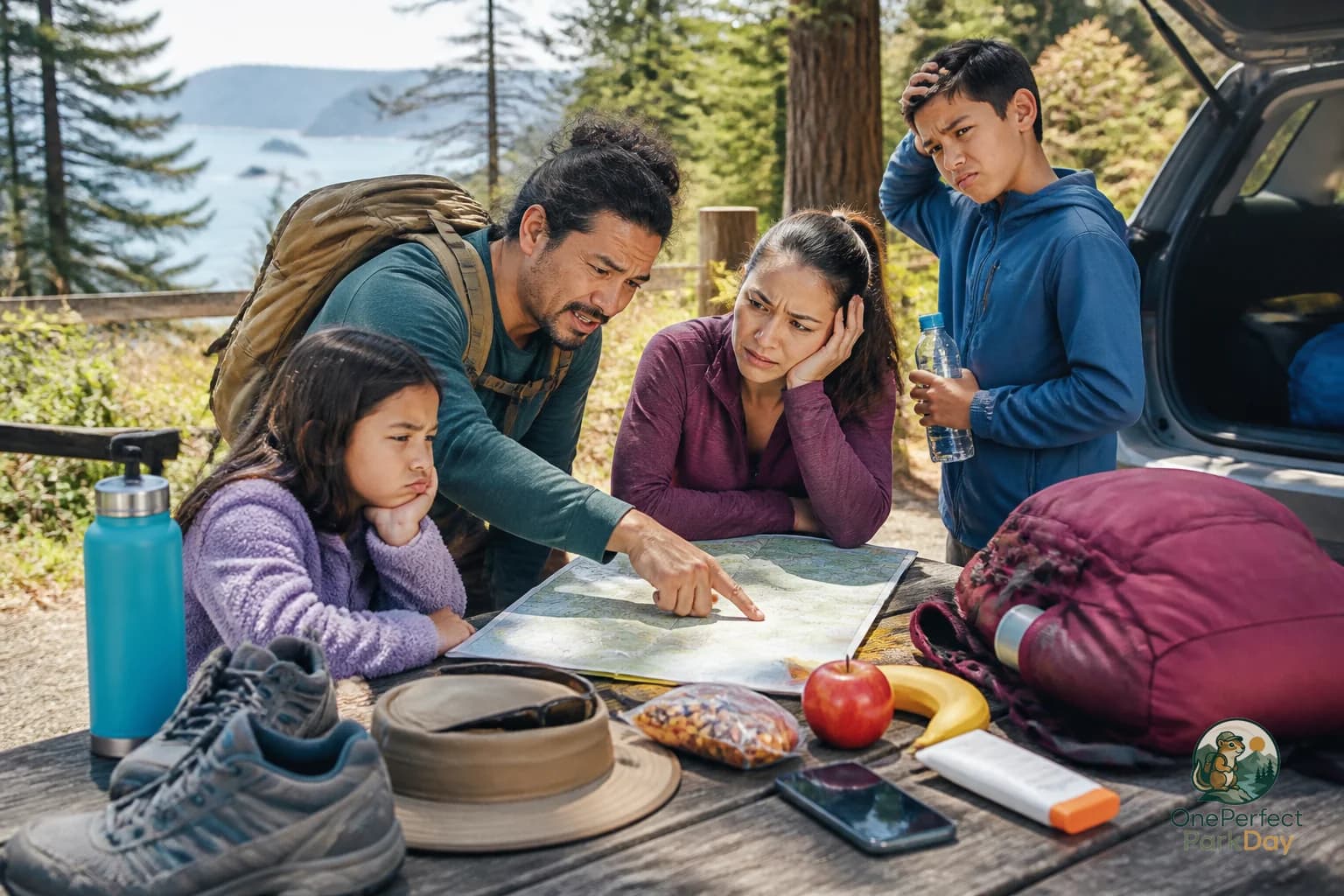
Redwood National and State Parks looks like a string of easy green dots along the northern California coast. That is exactly why one-day plans get messy. The park complex is long, the roads can be slow, coastal weather changes fast, and the best redwood moments usually happen when you are not sprinting back to the car.
If you only have one day, your job is not to “see Redwood.” That is too vague. Your job is to choose where the day should succeed, then protect that choice from driving time, fog, wet trails, hungry people, and late-afternoon optimism.
Before relying on any plan, check current National Park Service alerts, state park notices, road and trail status, weather, permit rules, seasonal access, and any shuttle or timed-entry details that may apply to your date.
Direct answer
For one day in Redwood National and State Parks, choose one main redwood area, one nearby backup, and one optional add-on. Do not build a north-to-south greatest hits route unless your group genuinely enjoys long car days.
A practical one-day structure looks like this:
- Main area: the grove or park zone you most want to experience
- Backup area: a lower effort stop nearby if weather, closures, parking, or energy change the plan
- Optional add-on: coast, river, scenic drive, visitor center, or short second walk only if the day is still working
Put the hardest decision before the trip: north, central, or south. Once you are in motion, every “maybe we can also…” costs more than it seems.
If you want help narrowing priorities, use the same discipline from How to choose must-see stops for one national park day. Redwood rewards fewer, better stops.
Why Redwood is easy to overload
Redwood National and State Parks is not a single compact loop. It is a long coastal park system that includes national park land and several California state park units. That gives visitors a lot of good options, but it also creates a planning trap: the map makes everything feel connected, while the day itself gets eaten by driving, turnouts, wet shoes, snack stops, and “just one more grove.”
Three factors shape a sane one-day plan.
Distance is the quiet tax. Driving between northern and central areas can take a meaningful chunk of the day, especially if you stop often or roads are slow. A plan that hops between far-apart groves may technically fit on paper and still feel like you mostly visited the inside of your car.
Weather changes the mood fast. Coastal fog, drizzle, wind, and cool temperatures are part of the Redwood experience. That can make the forest magical, but it also affects clothing, trail comfort, camera expectations, and how long kids or less eager hikers want to stay out. For a broader framework, see How to plan a US national park day around changing weather.
Some access choices need checking close to the date. Roads, trails, seasonal routes, beach access, and permits can change. Fern Canyon and Gold Bluffs Beach, for example, are popular enough that you should verify current access rules and requirements before treating them as a casual add-on.
Pick your Redwood day by starting location
Do not start with a list of famous stops. Start with where you are sleeping the night before and after. That tells you which version of Redwood makes sense.
If you are based near Crescent City or the north end, a northern redwood day may fit best. Focus on the Jedediah Smith area, Smith River scenery, a visitor center or ranger information stop if open, and one substantial forest walk that matches your group. Your backup can be a shorter grove or river stop if the main trail is too wet, crowded, or slow.
If you are based near Klamath, Orick, or the central corridor, a Prairie Creek focused day can work well. This is where people often get tempted to stack forest, elk viewing areas, scenic drives, Fern Canyon, beaches, and multiple trails into one day. Pick the forest experience first. Treat coastal or canyon access as optional and condition dependent.
If you are coming from the south, consider a southern or central plan around easier access points before pushing deep into the park complex. Lady Bird Johnson Grove and nearby Redwood National Park areas can make more sense than chasing the northernmost stops, especially if you have a same-day drive out.
None of these is the “correct” Redwood day. The correct day is the one that gives your group enough time out of the car to actually feel small under the trees.
Common mistakes that make the day harder
Trying to connect every famous name. Redwood is not a checklist park for a one-day visitor. If your plan has more than one major redwood area plus a beach plus a scenic drive plus a long meal stop, something will probably get squeezed.
Underestimating slow roads and short daylight. Forest roads, coastal routes, construction, fog, and photo stops all add friction. In fall, winter, and early spring, daylight can be the limiting factor. Build the day around your usable daylight, not your ambition.
Saving the main grove for late afternoon. If the redwoods are the reason you came, do them while your group is fresh. Afternoon can be for a beach pullout, visitor center, snack break, or easy second stop.
Assuming food and water will be convenient. Services are spread out, and cell service may be inconsistent. Bring enough food, water, and kid-friendly snacks to avoid letting lunch logistics control the day.
Treating wet trails like a minor detail. Redwood trails can be damp even when the forecast looks harmless. Shoes with grip, layers, and a dry change for kids can matter more than one extra viewpoint.
Questions to check before you commit
Ask these before you leave your lodging, not after everyone is buckled in.
- Which entrance area or town are we actually starting from?
- What is the one redwood experience we would be disappointed to miss?
- Are any roads, trails, beaches, scenic drives, or visitor facilities closed or restricted today?
- Do any permits, reservations, timed-entry rules, or shuttle details apply to our chosen area?
- What does the weather look like at the coast and in the forest, not just in the nearest town?
- How much daylight do we have after the drive back?
- Where will we eat if our first plan takes longer than expected?
- Who in the group needs shorter walks, easier restrooms, more breaks, or less time in the cold?
- What is our latest turnaround time if we try an optional add-on?
That last question saves more days than people want to admit. Optional only means optional if you are willing to skip it.
A simple Redwood one-day checklist
Use this as a planning filter, not a rigid itinerary.
- Choose one zone: north, central, or south
- Choose one main redwood walk or scenic forest experience
- Choose one nearby backup stop with lower effort
- Add one optional coast, river, visitor center, or short trail stop
- Check current NPS alerts and state park updates
- Check road, trail, beach, and seasonal access status
- Confirm any permit, reservation, shuttle, or timed-entry details for your date
- Pack layers for cool fog, drizzle, wind, and changing temperatures
- Bring water, lunch or substantial snacks, and a trash plan
- Wear shoes that can handle damp ground and uneven trail surfaces
- Set a latest turnaround time before the optional add-on
- Keep the final hour easy so the drive out is not miserable
The calm version of a strong Redwood day
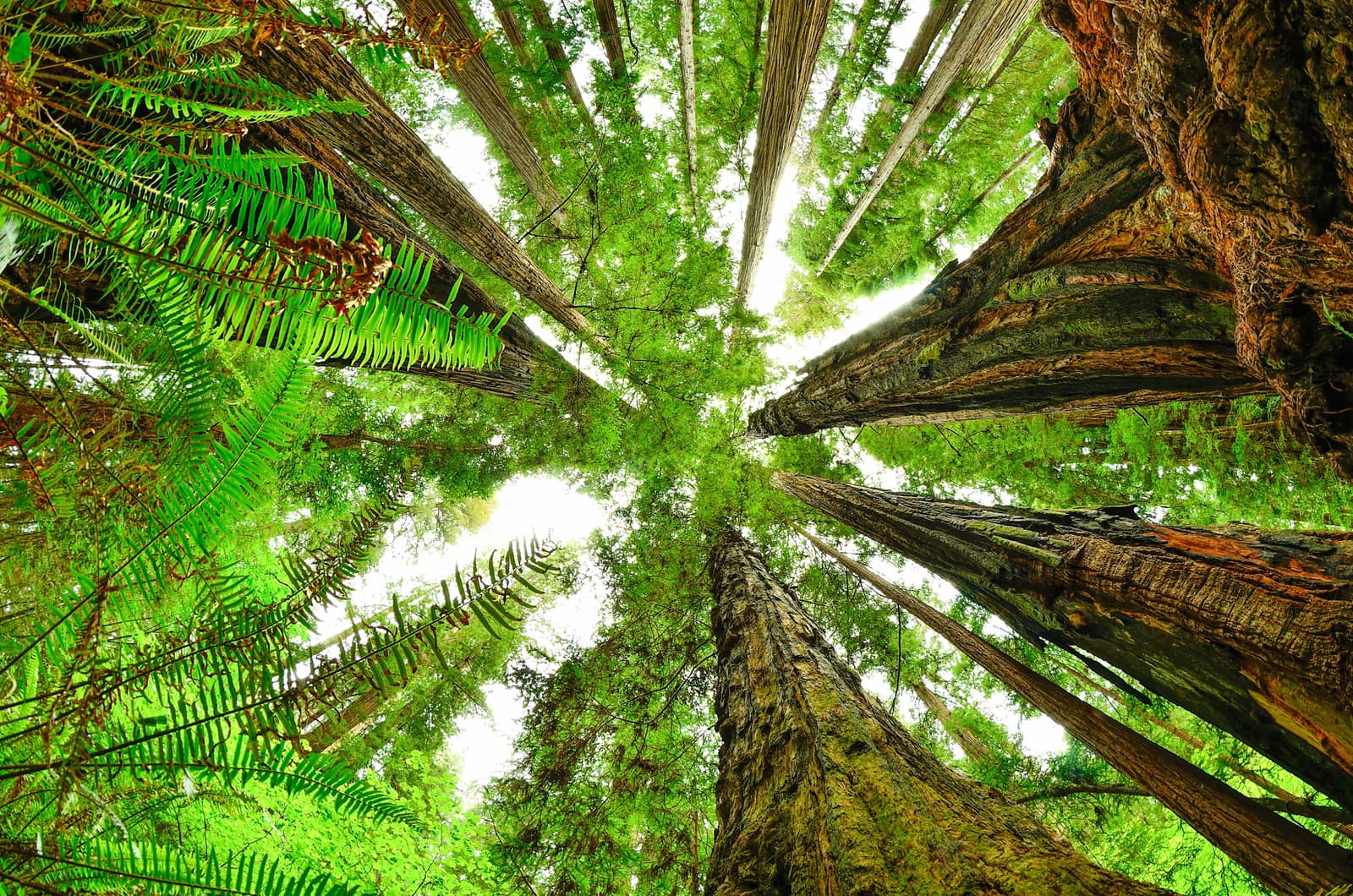
A strong one-day Redwood plan does not prove how much ground you covered. It gives you enough margin to stand still, look up, and let the scale of the forest do its job.
Pick one anchor area. Keep your backup close. Let the optional stop earn its place based on weather, access, daylight, and group energy. That is not a smaller day. It is a day with less pretending.
For help turning that kind of decision into a cleaner park plan, visit One Perfect Park Day.
Practical note
This article is general US National Park planning information. Park rules, hours, weather, trail conditions, road closures, shuttle service, accessibility procedures, permits, and crowd levels can change. Check the official National Park Service site or app before relying on any plan.