
Planning / 7 min read
How to choose one main area for one day in Olympic National Park
A practical way to plan one day in Olympic National Park by choosing one main area, one backup, and one optional add-on without turning the day into a long driving loop.
August 8, 2026
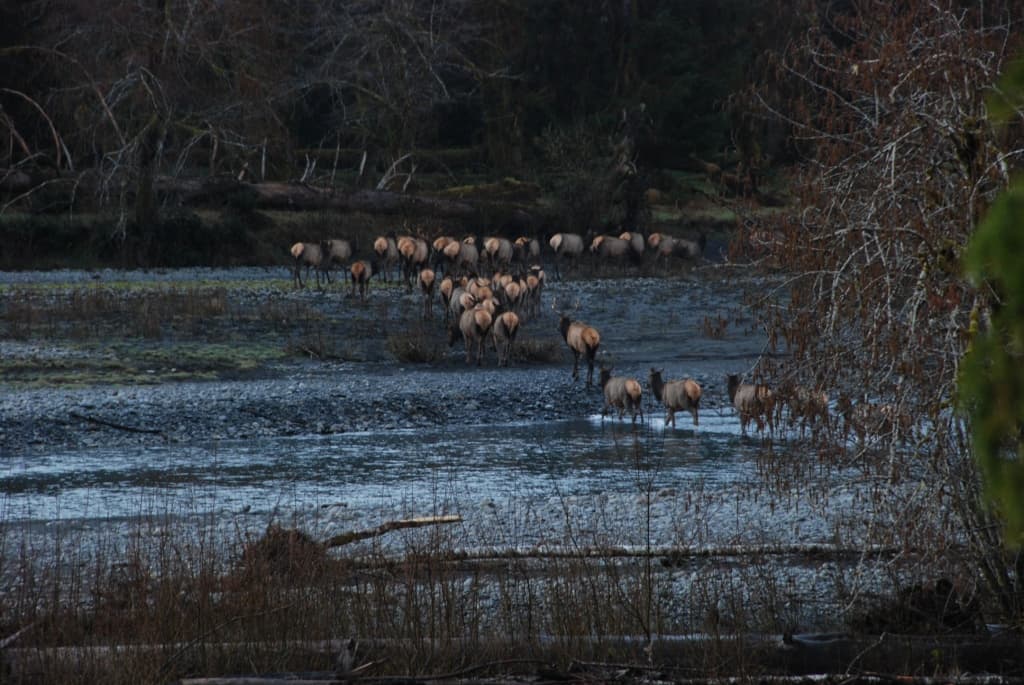
Olympic National Park is where one-day plans go to get humbled. The map makes the mountains, rainforest, lakes, and coast look close enough. The road system, weather, tides, and daylight have other ideas.
If you only have one day, the goal is not to sample every famous landscape. It is to pick the part of Olympic that gives your group the best day with the least route regret.
Direct answer
For one day in Olympic National Park, choose one main area first, then choose one nearby backup and one optional add-on. Do not start by listing every place you have heard of.
A clean one-day structure usually looks like this:
- If you are staying near Port Angeles, make Hurricane Ridge or Lake Crescent your main area.
- If you are staying near Forks, make Hoh Rain Forest or the Pacific coast your main area.
- If you are staying near the Hood Canal side, make Staircase your main area.
- If you are crossing the whole Olympic Peninsula, accept that the day is mostly a scenic driving day with a few carefully chosen stops.
The hard choice belongs at the start of the plan, not halfway through the afternoon when everyone is hungry and the next stop is still far away.
For a broader method, use How to group one US national park day by area before you start adding stops.
Context factors that change the plan
Olympic is not built like a simple loop
Many visitors plan Olympic as if the park has one central road with short spurs. It does not. The major areas sit around the peninsula, and moving between them can take more time and energy than the mileage suggests.
That matters because a one-day plan with Hurricane Ridge, Hoh Rain Forest, Rialto Beach, and Lake Crescent is not just ambitious. For many groups, it becomes a long day of packing up, parking, unpacking, checking maps, and watching the clock.
Weather can split the park into different days
Olympic can give you very different conditions on the same day. Hurricane Ridge may be foggy, windy, snowy, smoky, or beautifully clear while lower forest areas are calm. The coast may be chilly and exposed while the lake area feels mild. Rain can be part of the experience, especially in forest zones, but cold rain plus tired kids is a different problem than light drizzle on a short walk.
Check the current forecast for the exact area you plan to visit, not just a nearby town. Also check current NPS alerts, operating rules, road and trail status, weather notes, permits if your activity requires them, and any shuttle, parking, or timed entry details that may affect your day.
The coast adds tide and daylight decisions
Beach time in Olympic is not just about sunset photos. Tide timing can affect how far you can comfortably walk, what is exposed, and whether a coastal stop feels relaxed or rushed. If your main area is a beach or coastal trail, check tide information before you commit the day to it.
The coast can also be a poor late add-on if the group is already tired and daylight is fading. A beach sounds easy until the drive back is dark, damp, and longer than expected.
Food and fuel are part of the route
Olympic has long stretches where you should not assume quick food, water, or cell service will appear at the exact moment you need it. Pack lunch, snacks, and more water than your group thinks it will need. This is especially true if you are combining a scenic drive with short hikes or beach time.
If you need a simple planning baseline, read How much food and water to bring for one day in a US national park.
A simple main area backup add-on pattern
Use this pattern instead of building a rigid hour by hour itinerary.
North side plan
Main area: Hurricane Ridge or Lake Crescent.
Backup area: the other north side choice, depending on weather, road status, parking, and group energy.
Optional add-on: a short lakeside walk, viewpoint, picnic stop, or visitor center time if it fits naturally.
This works best when your lodging or day start is near Port Angeles or the north side of the peninsula. The tradeoff is that you are probably not doing a serious rainforest and coast day too.
West side plan
Main area: Hoh Rain Forest, Rialto Beach, Second Beach area, Ruby Beach, or another coastal focus that matches your start point and tide window.
Backup area: a shorter forest walk or a different beach with easier timing.
Optional add-on: a sunset stop only if the drive back is realistic and the group still has energy.
This works best from Forks or the west side. The tradeoff is that Hurricane Ridge becomes a separate day for most casual visitors.
Southeast side plan
Main area: Staircase.
Backup area: a lower effort forest or lake stop on the same side of the peninsula.
Optional add-on: a picnic, short river walk, or scenic pullout rather than a distant cross park chase.
This works best if you are approaching from the Hood Canal side and do not want the day to become a peninsula marathon.
Common mistakes
The biggest mistake is treating Olympic like a checklist. Mountains, rainforest, and coast in one day sounds efficient. It often produces three shallow visits and a tired group.
Another mistake is making the most distant place your backup. A backup should reduce stress. If your backup requires a major drive across the peninsula, it is not a backup. It is a second itinerary wearing a fake mustache.
People also underestimate how much small friction adds up. Parking, bathroom stops, wet shoes, changing layers, snack breaks, photo stops, and slow road sections all eat time. None of that means the day is going badly. It means the plan needs breathing room.
One more mistake: saving the favorite stop for last. If one area is the reason you came to Olympic, put it early while the group is fresh and you still have daylight to adapt.
Questions to check before you commit
Ask these before you finalize the route:
- Where are we waking up, and where do we need to sleep that night?
- Which one Olympic landscape would we be most disappointed to miss?
- What is the current road, trail, and weather status for that area?
- Does the plan depend on tide timing, clear mountain views, or a specific parking situation?
- How much driving can this group handle without getting cranky?
- Where will we eat lunch if services are closed, crowded, or out of the way?
- What is our turnaround time if the day starts running long?
- What stop gets cut first if weather, fatigue, or road delays show up?
Practical checklist
Realistic closing
A good one-day Olympic plan is a little ruthless. You choose the experience you actually want, then protect it from distance, weather, and wishful thinking.
That might mean a mountain and lake day. It might mean a rainforest day. It might mean a coast day with tides in your favor. What it should not be is a frantic attempt to prove you visited every corner of a huge national park in one daylight window.
Build the day around one main area, keep the backup close, and let the optional stop stay optional.
Want help turning that into a calm one-day plan? Start with One Perfect Park Day at oneperfectparkday.com.
Practical note
This article is general US National Park planning information. Park rules, hours, weather, trail conditions, road closures, shuttle service, accessibility procedures, permits, and crowd levels can change. Check the official National Park Service site or app before relying on any plan.