
Planning / 7 min read
How to build a one-day US national park comfort plan
Plan one smoother US national park day by setting comfort limits for weather, food, water, breaks, trails, drives, and backup choices.
October 12, 2026
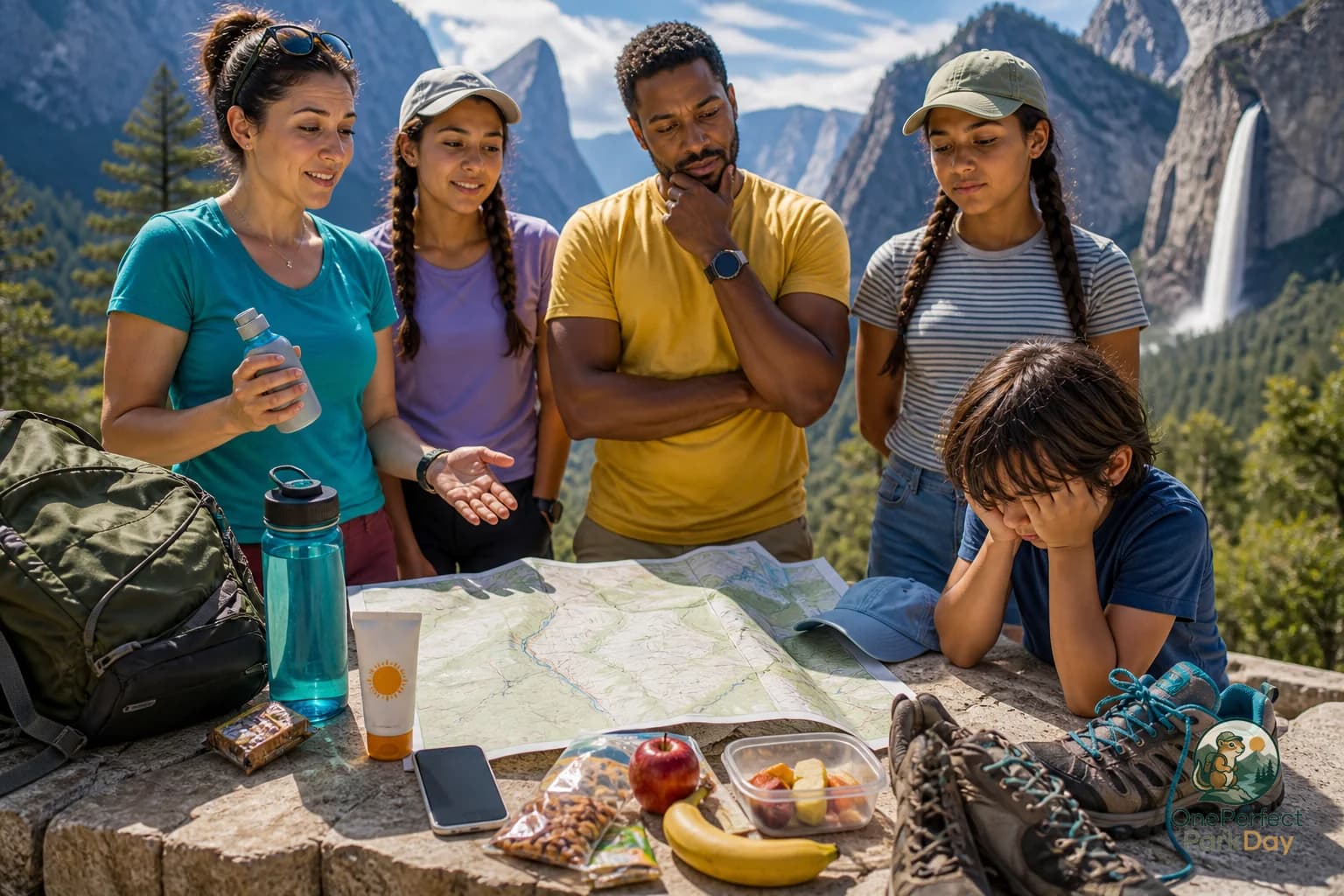
Most one-day US national park plans are built around ambition. Big viewpoint. Famous trail. Scenic drive. Maybe one more stop if there is time.
That can work for the first few hours. Then the group gets hot, hungry, stiff, cranky, or quietly done. The plan did not fail because the park was too much. It failed because nobody planned for comfort with the same seriousness they gave the headline stops.
A comfort plan is not soft. It is what keeps the day from turning into a forced march with better scenery.
The direct answer
For one day in a US national park, build your plan around three things before you finalize the stops: energy, exposure, and recovery.
Energy means how much walking, driving, waiting, and decision making your group can actually handle. Exposure means heat, cold, wind, sun, rain, elevation, bugs, or long stretches without shade. Recovery means food, water, bathrooms, sitting time, dry layers, and an easy way to shorten the day.
Your comfort plan should answer five questions:
- When do we eat before people are already annoyed?
- Where do we refill water or carry enough if refills are limited?
- Which stop becomes optional if weather, crowds, or fatigue pile up?
- How long are we willing to be away from the car?
- What is our easier version of the same day?
That is not overplanning. That is how casual visitors avoid spending the afternoon negotiating with tired legs and low blood sugar.
What changes the comfort math
The same six-hour park day can feel relaxed in one place and brutal in another. Before you copy an itinerary, check the conditions that change how the day feels.
Distance is the obvious one. A trail that looks short on paper can still eat time if it includes stairs, sand, rock, mud, snow patches, elevation gain, or constant photo stops.
Exposure is the sneaky one. Open desert, alpine sun, coastal wind, humid boardwalks, and shaded forest all ask different things from your group. A mild forecast at the nearest town may not match what you feel on a ridge, overlook, beach, canyon rim, or high elevation road.
Driving also counts. Scenic drives sound passive, but a long day of pullouts, parking searches, winding roads, and repeated buckling kids back into seats can wear people down. The car is a break only if people actually get to stop deciding things for a while.
Food and water gaps matter more than people admit. Some national parks have limited services, seasonal closures, or long distances between developed areas. Check current park information before you assume there will be food, water, restrooms, shuttle access, or open roads where you need them.
Group speed is the final reality check. Kids, older relatives, first-time hikers, nervous drivers, and people who want long photo stops all change the pace. Planning for the fastest person is how you create resentment with a scenic backdrop.
For the itinerary side, pair this with How to build a flexible one-day US national park plan. Comfort and flexibility belong in the same plan.
Common mistakes that make a park day harder
The first mistake is saving food for later. Later has a bad habit of becoming much later. Eat before the group is shaky, not after. If the plan includes a popular trail or scenic road, build snacks into the schedule instead of hoping lunch magically appears between stops.
The second mistake is treating every short hike as easy. Short does not mean gentle. A short trail in heat, altitude, slick conditions, or full sun can feel harder than a longer shaded walk. Look at surface, elevation, shade, and turnaround options, not just mileage.
The third mistake is stacking too many exposed stops together. Viewpoints, boardwalks, beaches, dunes, rims, and open rock can be spectacular, but they can also be draining. Mix exposed stops with shade, indoor visitor center time when available, picnic breaks, or lower effort scenic pullouts.
The fourth mistake is making the backup plan a punishment. If your easier option feels like failure, nobody will want to choose it until the day is already cooked. A good backup still feels like a real park day. It just has fewer moving parts.
The fifth mistake is refusing to cut anything. One-day plans need an edit button. If you tend to cram the schedule, read What to leave out of a one-day US national park itinerary before you start adding more stops.
Questions to check before you go
Ask these before you pack the car or daypack:
- What is the one stop we would regret missing most?
- What is the first thing we cut if the day runs slow?
- Where can we sit down without needing a full restaurant plan?
- How much water do we need before the next reliable refill?
- What weather would change our route?
- Are we depending on a shuttle, tour, timed entry, road, ferry, or seasonal service?
- Is anyone in the group likely to need a longer bathroom, snack, nap, shade, or quiet break?
- What is the latest we want to start driving back?
That last question is underrated. A park day does not end at the final overlook. It ends after the drive out, dinner logistics, tired kids, hotel check-in, or the ride back to wherever you are sleeping.
A simple one-day comfort checklist
Use this as a quick planning pass. Adjust it for the park, season, current alerts, and your group.
None of this guarantees parking, clear trails, good weather, open roads, shuttle access, wildlife, or a smooth day. It just gives you fewer decisions to make when the park starts acting like a real place instead of a brochure.
The realistic closing
A one-day national park visit does not need to be tiny. It just needs to be honest.
Pick the main thing. Protect the group from the most predictable discomforts. Leave yourself an escape hatch that still feels worthwhile. That is usually better than chasing every famous stop until everyone is silently hoping the day ends.
If you want help turning a big park wish list into a calmer one-day plan, start with One Perfect Park Day at oneperfectparkday.com.
Practical note
This article is general US National Park planning information. Park rules, hours, weather, trail conditions, road closures, shuttle service, accessibility procedures, permits, and crowd levels can change. Check the official National Park Service site or app before relying on any plan.