
Planning / 5 min read
How to choose one main side for one day in Pinnacles National Park
Plan one day in Pinnacles National Park by choosing the east or west side first, then building around heat, caves, parking, trail status, and group energy.
August 12, 2026
Pinnacles looks small on a map, which is exactly how people get tricked into planning too much. The east and west entrances are not connected by a road through the park, the best trails can be steep and exposed, and cave access can change with weather, bats, flooding, or trail work.
For one day, the strongest plan is not “see everything.” It is choosing the right side of the park for your group before you choose the hike.
Direct answer: pick one main side before you pick a trail
If you have one day in Pinnacles National Park, choose either the east side or the west side as your main plan. Do not build the day around casually visiting both unless you have checked current driving conditions, accepted the outside drive between entrances, and are willing to give up trail time.
A simple split works well:
- Choose the east side if Bear Gulch, the reservoir area, campground access, or a High Peaks loop option is your main interest.
- Choose the west side if Balconies Cave, dramatic cliff views, and a simpler out and back style day fit your group better.
- Treat High Peaks as the hard add-on, not the default, unless your group is ready for elevation, exposure, heat, and a real turnaround decision.
That one choice protects the day. It keeps you from losing the best morning hours to driving, circling for parking, or trying to connect areas that do not connect by park road.
If you are still deciding what deserves priority, use the same filter from How to choose must-see stops for one national park day: pick the experience you would be most disappointed to miss, then let everything else become optional.
The context that changes a Pinnacles day fast
Pinnacles planning is mostly about friction. Not scary friction, just the kind that punishes a loose plan.
First, the entrances matter. The east and west sides serve different trailheads and experiences. They are close as the condor flies, not as the rental car drives. A map can make the park look compact, but your route choice matters before you ever lace up shoes.
Second, heat can dominate the day. Pinnacles can feel pleasant in cooler seasons and harsh when temperatures climb. Many trails have exposed sections. A route that sounds reasonable at breakfast can feel very different after midday, especially with kids, older relatives, or anyone who does not hike much.
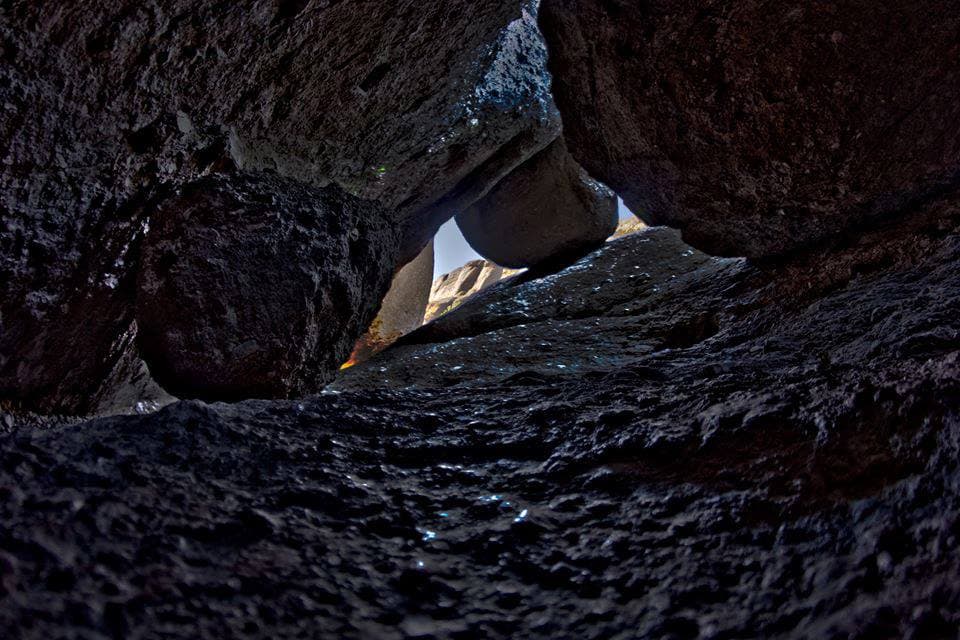
Third, caves are not guaranteed. Bear Gulch Cave and Balconies Cave are talus cave areas, and access can change. Seasonal bat protection, flooding, rock conditions, trail work, or other alerts can affect what is open. Bring a real light if a cave is part of your plan, but check current status before making the cave the whole point of the day.
Fourth, parking can shape the morning. Pinnacles is not a giant drive-through park with endless pullouts. On busy weekends, holidays, spring wildflower periods, and comfortable weather days, an earlier start gives you more room to make calm decisions. It does not guarantee a spot, but it reduces the number of things stacked against you. For a broader arrival framework, see How early to arrive for one day in a US national park.
Finally, services are limited. Bring food, water, sun protection, and layers rather than assuming you can fix the day with a quick stop inside the park.
What people get wrong
The first mistake is planning both entrances because the park “looks small.” That can work for some visitors with a very specific goal, but it is a lousy default for a one day plan. Driving around the outside of the park can eat the same energy you wanted for hiking.
The second mistake is making High Peaks the automatic centerpiece. High Peaks can be memorable, but it asks more from the group than a short scenic stop. Steep sections, narrow areas, sun exposure, and elevation change are not small details. If half your group wants a relaxed cave and overlook day, do not let one ambitious hiker quietly hijack the plan.
The third mistake is treating cave status as a footnote. If your day depends on a cave route, check current National Park Service alerts and trail conditions before you go. Also pack lighting for each person who plans to enter a cave area. A phone light is better than nothing, but it is not a great plan for a whole group.
The fourth mistake is starting with mileage instead of conditions. Two miles in cool shade and two exposed miles in summer heat are not the same day. Build your plan around weather, daylight, and your slowest realistic pace.
Questions to check before you commit
Before you choose your main side, ask these questions:
- Which entrance are we actually driving to, east or west?
- Are the roads, trailheads, caves, and main trails we want currently open?
- Are there any current NPS alerts, fire restrictions, closures, shuttle notes, parking changes, or timed entry rules for our date?
- What is the forecast at the time we will actually be hiking, not just the daily high?
- Does our group want caves, views, condor habitat, a harder hike, or a gentler day most?
- How much water can we carry comfortably?
- What is our turnaround time if heat, crowds, or tired legs show up early?
- What is our backup if the cave or trail we wanted is closed?
These questions are not meant to kill the fun. They keep the fun from depending on perfect conditions.
A simple one day Pinnacles checklist
Use this as a planning pass the night before and again before leaving cell service:
- Choose one main side: east or west.
- Pick one anchor experience: Bear Gulch, Balconies, High Peaks, or a shorter scenic hike.
- Check current NPS alerts, cave status, trail status, road conditions, operating rules, and weather.
- Decide your latest safe turnaround time before starting a longer hike.
- Pack more water than you think you will want, plus salty snacks and a real lunch plan.
- Bring sun protection, layers, sturdy shoes, and a light for each person if entering cave areas.
- Start earlier in warm weather or on busy days.
- Keep one easier backup route ready.
- Do not add the other entrance unless the group still has time, daylight, and energy.
- Be willing to stop while the day still feels good.
A realistic way to frame the day
A good one day Pinnacles plan is not about squeezing the east side, west side, caves, High Peaks, wildlife hopes, and every viewpoint into one heroic loop. That is how a small park becomes a long, hot argument.
The calmer version is cleaner: choose one side, give it the best part of your day, and let the optional pieces stay optional. If conditions are kind, you can add more. If heat, closures, parking, or group energy push back, you still have a complete day instead of a failed checklist.
Before relying on any plan, check current National Park Service alerts, operating rules, road and trail status, cave status, weather, permits, and any shuttle or timed entry details for your exact date.
Want a calmer way to sort the tradeoffs? Build your next park day with One Perfect Park Day.
Practical note
This article is general US National Park planning information. Park rules, hours, weather, trail conditions, road closures, shuttle service, accessibility procedures, permits, and crowd levels can change. Check the official National Park Service site or app before relying on any plan.