
Weekly Review / 4 min read
Weekly Review: Stop Building Park Days Like Checklists
Pick the anchor, pack for the messy middle, and stop pretending every overlook is mandatory.
August 30, 2026
Park Day Plan
This week’s park day move: choose the constraint before you choose the stops.
Most messy one day park plans fail because they start with a map and a little too much optimism. The group circles every famous viewpoint, adds a hike, assumes food will work itself out, and forgets that parking lots, bathrooms, heat, shuttle waits, kids, and tired adults all take time.
Try this instead:
- Pick the main reason for the day. A short hike, a scenic drive, wildlife watching, a beach morning, a ranger stop, one big overlook. One anchor, not six.
- Add two nearby supporting stops. Nearby is the word doing the work. If the second stop requires a big reposition, it needs to earn its place.
- Put the break on the plan. Lunch, shade, bathroom, snack, shoes off, quiet seat in the car. If you do not plan it, it will still happen, just at a worse time.
- Set a cutoff time. Decide when you stop pushing deeper into the park and start making the day easier.
- Keep one backup that is genuinely easier. A shorter walk, visitor center, picnic area, scenic pullout, or return to the hotel pool can save the day.
The tradeoff is obvious: you will see fewer named things. The upside is better too: the things you do see will not feel like errands.
Packing Tip
Pack for transitions, not the fantasy version of the day.
A lot of visitors pack for the hike, the drive, or the photo. The rough parts are usually between those moments: the hot walk from the parking lot, the kid who gets soaked at the wrong time, the lunch that turns into a snack raid, the afternoon when everyone is done but you are still an hour from the exit.
A simple split works well:
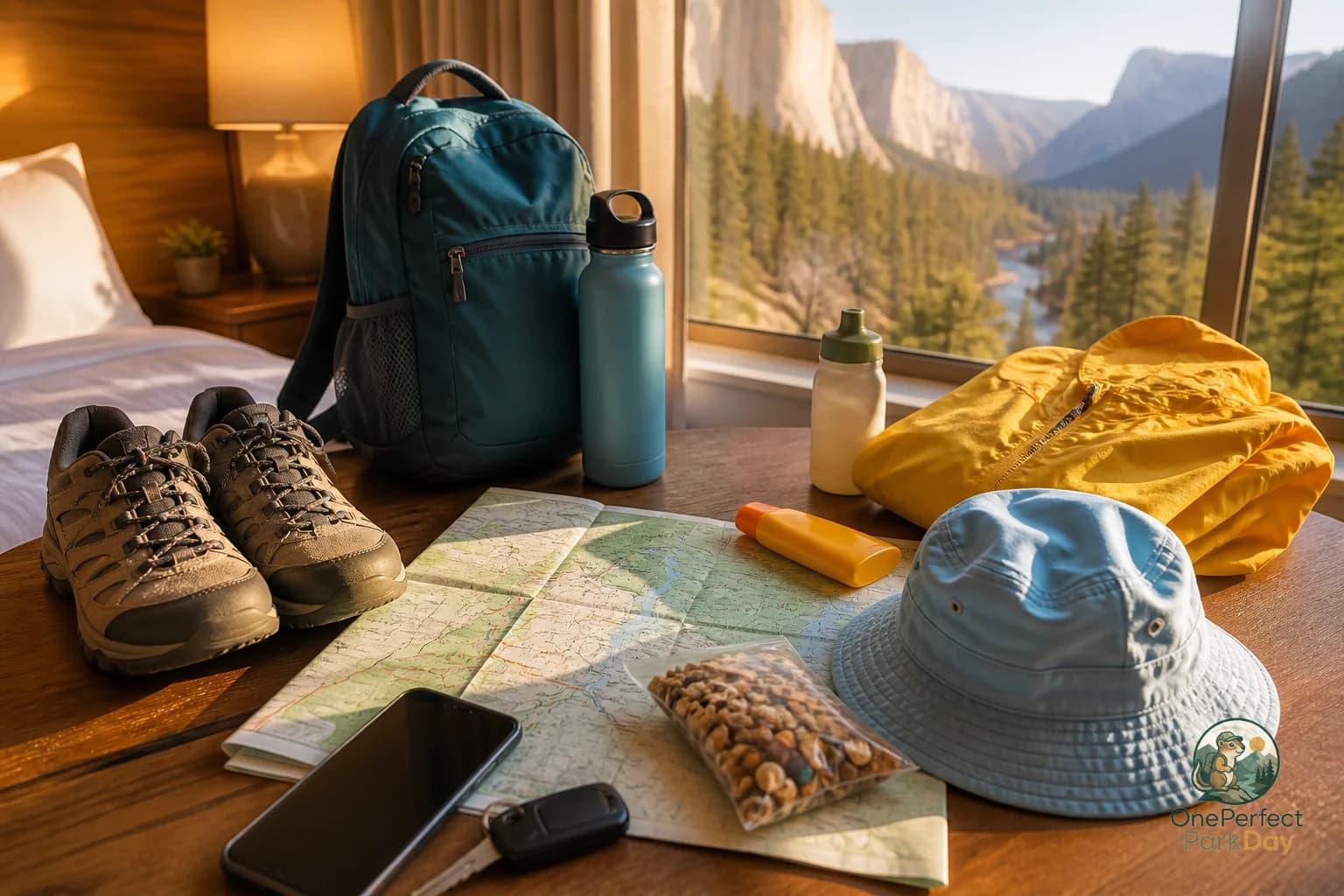
- Carry bag: water, snacks, sunscreen, basic first aid, hat, rain layer, medications, wipes, small trash bag, and any kid comfort item you cannot easily replace.
- Car or hotel bag: dry socks, spare shirt, extra water, bigger snacks, towel, backup shoes or sandals, and a light layer for the ride back.
Do not carry the whole trunk on your back. Do not leave the important stuff buried under luggage either. The goal is to make the predictable annoyances less dramatic.
Crowd & Weather Note
Late August and early September can be sneaky. Some parks are still hot, some are stormy, some are smoky, some are busy around holiday travel, and some have short windows where the morning feels pleasant before the afternoon gets punishing.
A practical rule: do the hardest outdoor thing early unless the local forecast says storms, heat, marine conditions, road work, or shuttle timing make another order smarter.
Before leaving the hotel, check:
- Current National Park Service alerts
- Road, trail, beach, and shuttle status
- Timed entry, permit, or reservation rules
- Heat, lightning, smoke, surf, or flash flood risk
- Food and water availability inside the park
Crowds are not just a parking problem. They also change how patient your group is. If you know the first lot may be full, decide the backup before you arrive, not while circling with a hungry car.
From One Perfect Park Day
New this week, the site stayed focused on one useful idea: a one day plan should be realistic before it is ambitious.
If you read one article, make it How to choose the right one-day US national park itinerary. It is a good starting point if your current plan is mostly a list of famous stops and vibes.
Also worth saving:
- How to plan one day in Virgin Islands National Park without turning it into a beach checklist, for a reminder that beach days still need structure.
- How to sanity check a one-day US national park itinerary before you go, for catching the weak spots before the parking lot does it for you.
- How to build a flexible one-day US national park plan, for late starts, tired legs, surprise weather, and changed moods.
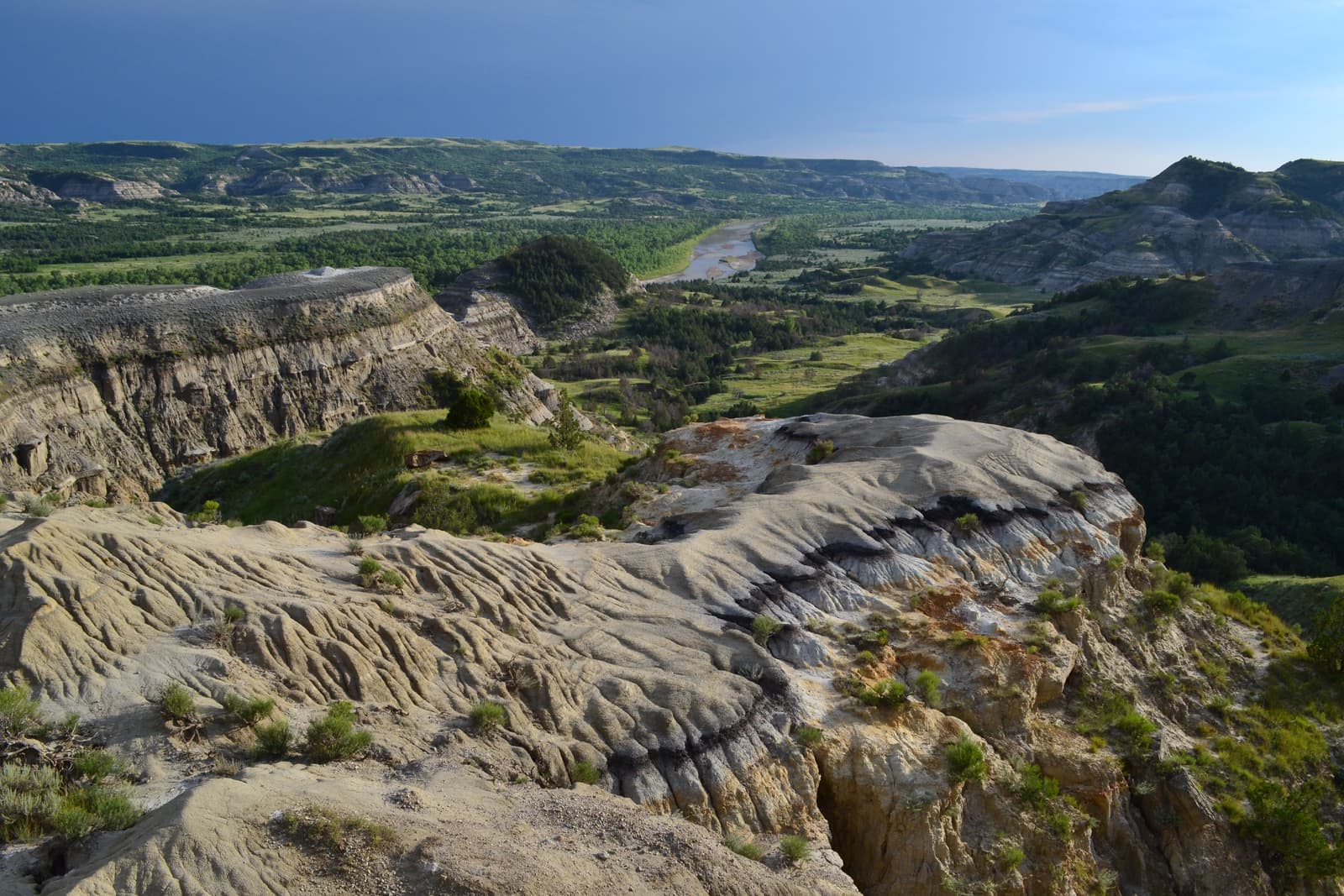
- How to plan one day in Theodore Roosevelt National Park without unit hopping, for anyone tempted to make a giant park map behave like a compact loop.
- How to choose one Skyline Drive section for one day in Shenandoah National Park, for a cleaner way to handle a park that looks simpler than it feels.
Build a simpler US National Park day plan before you leave the hotel: One Perfect Park Day.
Question of the Week
Before your next park day, ask everyone one question:
What would make this day feel worth it, even if we skip half the list?
That answer is your anchor. Everything else is support, bonus, or bait for a tired argument at 2:30 p.m.