

Planning / 5 min read
How to plan a one-day US national park itinerary by energy level
Plan a one-day US national park itinerary around your group’s energy level, with a simple way to choose a light, steady, or bigger park day.
August 6, 2026
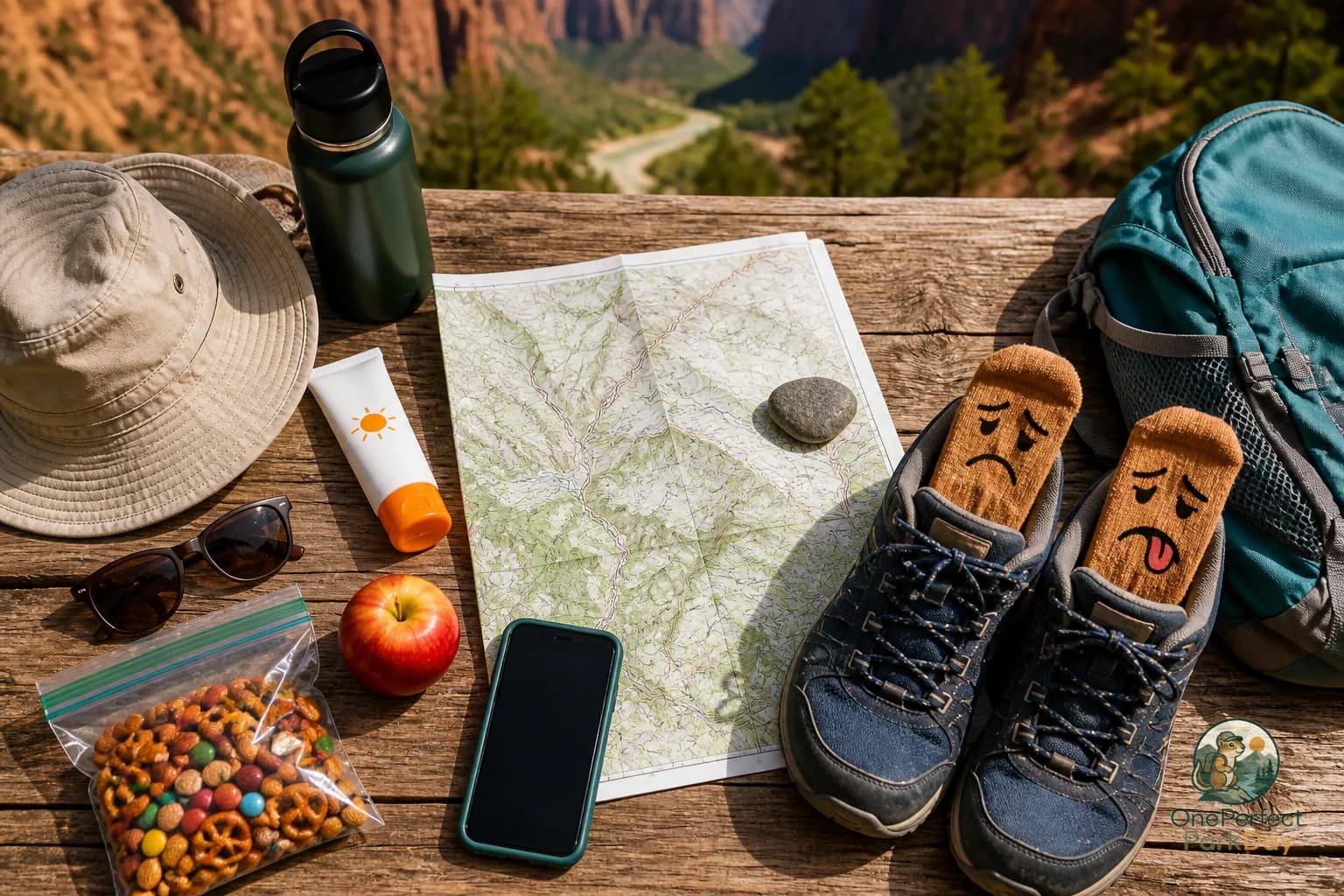
Most one-day national park plans fail in a boring way: they ask too much from the group too early, then act surprised when everyone is cooked by 2 p.m.
A better plan starts before you pick every overlook, trail, visitor center, or scenic drive segment. Decide what kind of day your group can actually handle. Not what looks impressive on a map. Not what someone with fresh legs and no kids posted online. Your real day.
The short answer
Plan your one-day US national park itinerary around one of three energy levels:
- Light day: a slower visit with a few easy stops, short walks, generous breaks, and minimal backtracking.
- Steady day: a balanced visit with one main priority, a few supporting stops, planned meals, and room to adjust.
- Bigger day: a fuller visit with an early start, longer walking time, tighter decisions, and a clear cutoff point.
For most casual visitors, the steady day is the sweet spot. You see enough to feel like the trip was worth it, but you are not trying to turn one park day into an endurance event.
If you are still deciding what deserves top billing, pair this approach with How to choose must-see stops for one national park day. If your group fades fast, also read How to plan breaks during one day in a US national park.
Pick the energy level before you pick the route
Start with the people, not the map.
A light day might be right if you have young kids, older relatives, first-time hikers, a late arrival, a hot forecast, limited mobility, or a group that gets cranky when meals slide. This is not a lesser visit. It is a day built to keep people comfortable enough to enjoy what they do see.
A steady day fits visitors who want a satisfying mix: a scenic drive, a signature viewpoint, one short or moderate walk, lunch at a sensible time, and maybe one final stop if energy holds.
A bigger day makes sense only when your group is used to long outdoor days, starts early, packs well, and accepts tradeoffs. You will probably skip lingering at some stops. You may eat simpler meals. You need a firm point where the day turns from exploring to exiting.
The mistake is choosing a bigger day because it looks better in a spreadsheet. Parks do not care about your spreadsheet.
Factors that change the right itinerary
Energy level is not just personality. A few practical factors can move your day from bigger to steady, or steady to light.
Heat and sun exposure: A short trail can feel much longer when shade is limited. In summer, build the hardest walking into the cooler part of the day when possible.
Elevation: Parks at higher elevations can make normal walking feel slower. Give the group time to adjust and avoid stacking too many climbs early.
Driving time inside the park: A route that looks compact can still involve slow roads, pullouts, wildlife slowdowns, construction, or full parking areas. Check current park alerts before committing to a tight plan.
Shuttles or timed entry: Some parks use reservation systems, shuttles, or seasonal access rules. Your energy plan should respect those constraints instead of pretending every stop is equally easy to reach.
Group decision speed: A solo adult can pivot fast. A family with kids, snacks, restroom needs, layers, and opinions cannot. That is not failure. That is logistics.
The drive after the park: If you still have a long drive to lodging, dinner, or an airport area, do not spend every ounce of energy before leaving the park.
Common mistakes that wear people out
The first mistake is front-loading the day with too many small stops. Each stop sounds harmless, but every parking attempt, photo pause, restroom search, and gear shuffle costs energy.
The second mistake is treating every short trail as easy. Distance is only one part of the story. Surface, incline, sun, altitude, mud, stairs, and crowding all matter.
The third mistake is saving food and water for “later.” Later is exactly when people get foggy, impatient, and less willing to adapt. Eat before the group is unraveling.
The fourth mistake is planning the day around the strongest person. The itinerary should fit the slowest sustainable pace, not the most ambitious hiker.
The fifth mistake is refusing to downshift. If the day starts as a bigger day and turns into a steady one, that is a smart adjustment. If it turns into a light day because of weather, heat, mood, or access issues, that is still a valid park day.
Questions to check before you commit
Ask these before you finalize the itinerary:
- What time can we realistically enter the park, not theoretically enter it?
- What is the one experience we would be most disappointed to miss?
- How much walking can the least enthusiastic person handle without resentment?
- Where are the natural meal and restroom points?
- Which stop can we cut first if the day runs long?
- What is our latest sensible turnaround time?
- Are current NPS alerts, road conditions, weather, or access rules changing the plan?
- Do we need a quieter stretch in the middle of the day?
That last question is underrated. A calm lunch, a shaded bench, or a scenic pullout with no agenda can save the second half of the day.
A simple energy based checklist
Use this quick checklist while building your plan.
Choose your day type
Set the spine of the day
Check the strain points
Name the first cut
A sample way to shape the day
For a light day, plan one scenic drive area, one short walk, one visitor center or easy viewpoint, and a relaxed picnic or meal break. Leave before the group is completely drained.
For a steady day, start with the most important stop, add one walk while energy is good, use midday for food and easier views, then choose the afternoon based on how everyone feels.
For a bigger day, start early, keep the first half focused, avoid wasting time on low priority stops, and set a hard cutoff. The point is not to squeeze in everything. The point is to avoid letting ambition make the last two hours miserable.
Close the day before it closes you
A strong national park day does not have to be maxed out. It has to fit the people who are actually there.
If you plan by energy level first, the rest of the choices get clearer. You know how many stops make sense, where breaks belong, what to cut, and when to stop pushing. That is how a one-day itinerary stays useful when weather, access, parking, moods, and legs do what they always do: change the plan.
For a calmer starting point, build your day with One Perfect Park Day at oneperfectparkday.com.
Practical note
This article is general US National Park planning information. Park rules, hours, weather, trail conditions, road closures, shuttle service, accessibility procedures, permits, and crowd levels can change. Check the official National Park Service site or app before relying on any plan.