
Planning / 5 min read
What to leave out of a one-day US national park itinerary
A practical guide to deciding what to skip in a one-day US national park itinerary so the day feels smoother, safer, and less rushed.
August 19, 2026
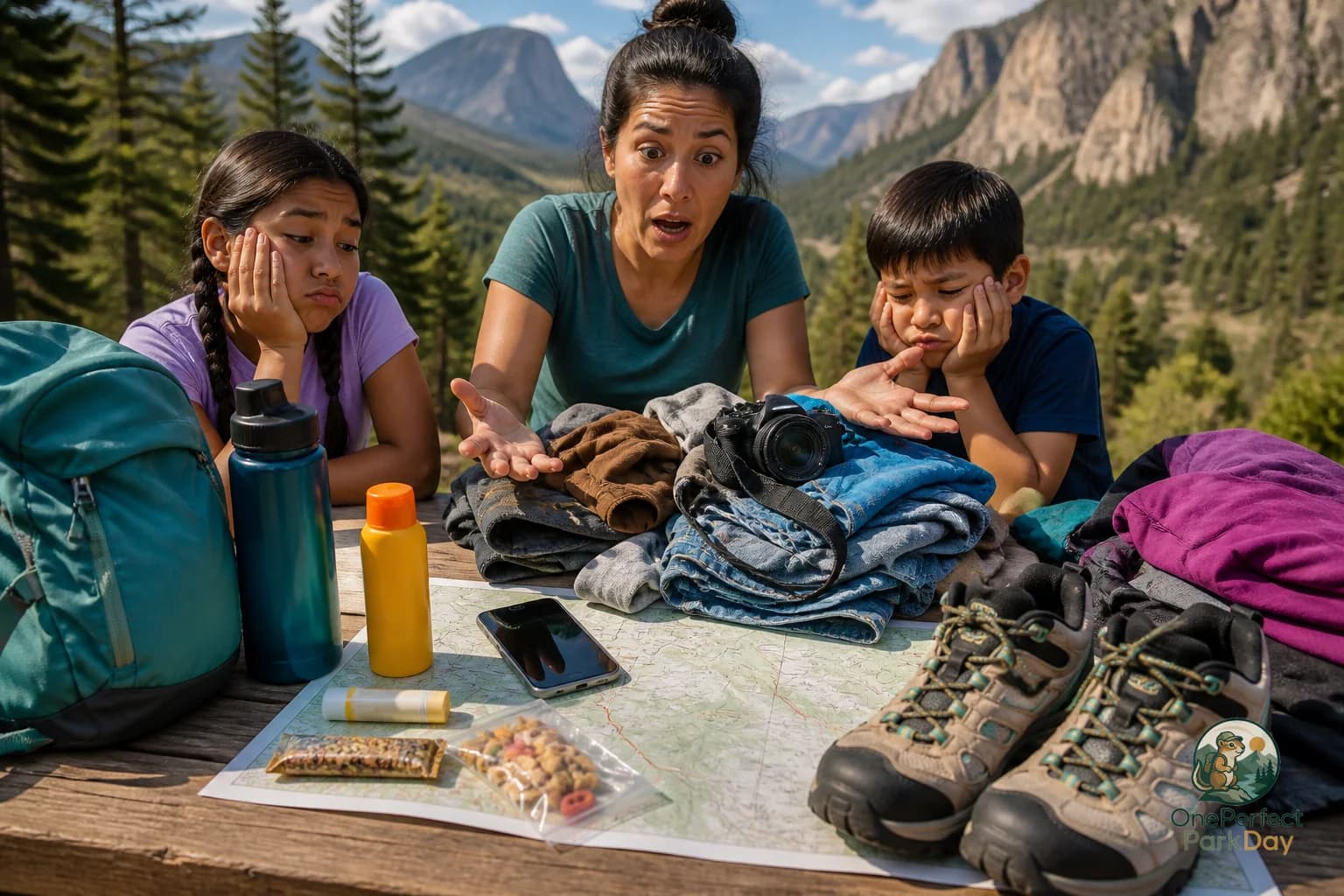
A one-day US national park itinerary is usually ruined by the stuff you were too optimistic to cut.
Not the famous overlook. Not the short trail. Not the scenic drive. The problem is the fifth stop that adds forty minutes, the out-and-back detour nobody really wanted, and the hike you saved for late afternoon because the spreadsheet said it fit.
A better plan starts by choosing what to leave out on purpose.
The short answer
Leave out anything that costs too much time, repeats an experience you already have, depends on perfect conditions, or asks more of your group than the day can reasonably give.
For most one-day US national park visits, that means building around:
- one main anchor experience
- two to four supporting stops
- one real meal or rest break
- a short backup list if time, weather, parking, shuttle timing, or group energy changes
That is not a small day. That is a day with a spine.
The mistake is treating every scenic pullout, visitor center, short trail, famous viewpoint, and side road like it has equal weight. It does not. Some stops define the day. Some support it. Some quietly steal the day.
If you need help deciding what deserves top billing, start with How to choose must-see stops for one national park day.
What should shape your cuts
The right things to leave out depend less on ambition and more on friction. A stop can look easy on a map and still be a bad fit for your actual day.
Start with distance. In many US national parks, twenty miles is not twenty easy minutes. Roads can be narrow, slow, winding, busy, scenic enough to slow you down, or affected by construction and weather. A faraway stop needs to earn its place.
Then look at transitions. Every stop has a cost beyond the time you spend there. You have to park, unload, find the restroom, refill water, get kids moving, check the trailhead, and get everyone back in the vehicle. A ten minute overlook can become a thirty minute event. That is fine once or twice. It gets expensive fast.
Weather matters too. Heat, storms, smoke, wind, snow, and poor visibility can change what feels worthwhile. A ridge trail, exposed boardwalk, desert walk, or long viewpoint drive may be great in the morning and miserable later. Build the plan so your hardest or most exposed choice is not trapped at the worst part of the day.
Group energy is the other honest filter. Adults overestimate themselves. Kids do not care about your itinerary PDF. Older relatives may be fine until the third parking lot shuffle. If the group starts bargaining for snacks before lunch, your plan is already giving you information.
Food, water, bathrooms, and shade are planning constraints, not minor details. A beautiful route with nowhere comfortable to pause can wear people down faster than a harder hike with a good break built in. For a deeper look at timing those pauses, read How to plan breaks during one day in a US national park.
Common mistakes when deciding what to skip
The first mistake is keeping a stop only because it is famous. Famous does not mean right for your day. If it is far from your main route, difficult to access, heavily weather dependent, or likely to drain the group, it may belong on a future trip.
The second mistake is stacking stops that deliver the same payoff. Three overlooks with similar views are not always three better memories. Sometimes the first one is magic, the second is nice, and the third is when everyone stops getting out of the car.
The third mistake is saving the hardest thing for last. Late day energy is real. So is hunger, heat, decision fatigue, and the quiet collapse of enthusiasm after too many transitions. If a trail or viewpoint is truly important, give it a better slot.
The fourth mistake is refusing to cut a detour because it looks close. Side roads, shuttle connections, parking searches, and backtracking can chew up more time than expected. A stop that pulls you away from the main flow needs a clear reason.
The fifth mistake is making every item sound mandatory. A one-day itinerary should not read like a contract. Use tiers instead: must do, likely do, bonus only. That one change makes the whole day calmer.
Questions to ask before you finalize the plan
Before you lock in your one-day national park itinerary, run it through these questions:
- What is the one experience we would be most disappointed to miss?
- Which stop is mostly there because someone online said it was required?
- Which two stops offer a similar view, trail type, or photo?
- What part of the plan depends on good weather or clear visibility?
- Which stop adds the most driving, shuttle time, or backtracking?
- Where do we eat, refill water, use restrooms, and sit down?
- What gets cut first if we arrive late?
- What gets cut first if the group is tired by midday?
- What changes if a road, trail, shuttle route, or parking area is limited under current NPS alerts?
- Would this still feel like a good day if we only completed the first half?
That last question is blunt, but useful. If the answer is no, your plan is probably too back-loaded.
A simple checklist for what to leave out
Use this before the trip, then again the night before when you have a better read on weather, alerts, and group mood.
A realistic way to think about it
Leaving things out is not admitting defeat. It is how you make the day feel like an actual visit instead of a scavenger hunt.
A strong one-day US national park plan protects the main experience, respects the people in the car, and gives the park room to be unpredictable. Weather shifts. Parking fills. Kids melt down. A viewpoint takes longer because it is better than expected. That is not failure. That is the day doing what park days do.
Choose the stops that matter most, cut the ones that only make the plan look impressive, and keep a small bonus list for good luck.
If you want help building a calmer one-day plan around the tradeoffs that actually matter, start with One Perfect Park Day.
Practical note
This article is general US National Park planning information. Park rules, hours, weather, trail conditions, road closures, shuttle service, accessibility procedures, permits, and crowd levels can change. Check the official National Park Service site or app before relying on any plan.