
Planning / 6 min read
How to plan one day in biscayne national park around the boat decision
Plan one day in Biscayne National Park around the boat choice, weather risk, packing, food, breaks, and a realistic land backup.
September 21, 2026
Biscayne National Park can punish the usual one-day national park habit: arrive, drive, stop, repeat. The park is mostly water, so the day hinges on one choice before you ever start ranking stops.
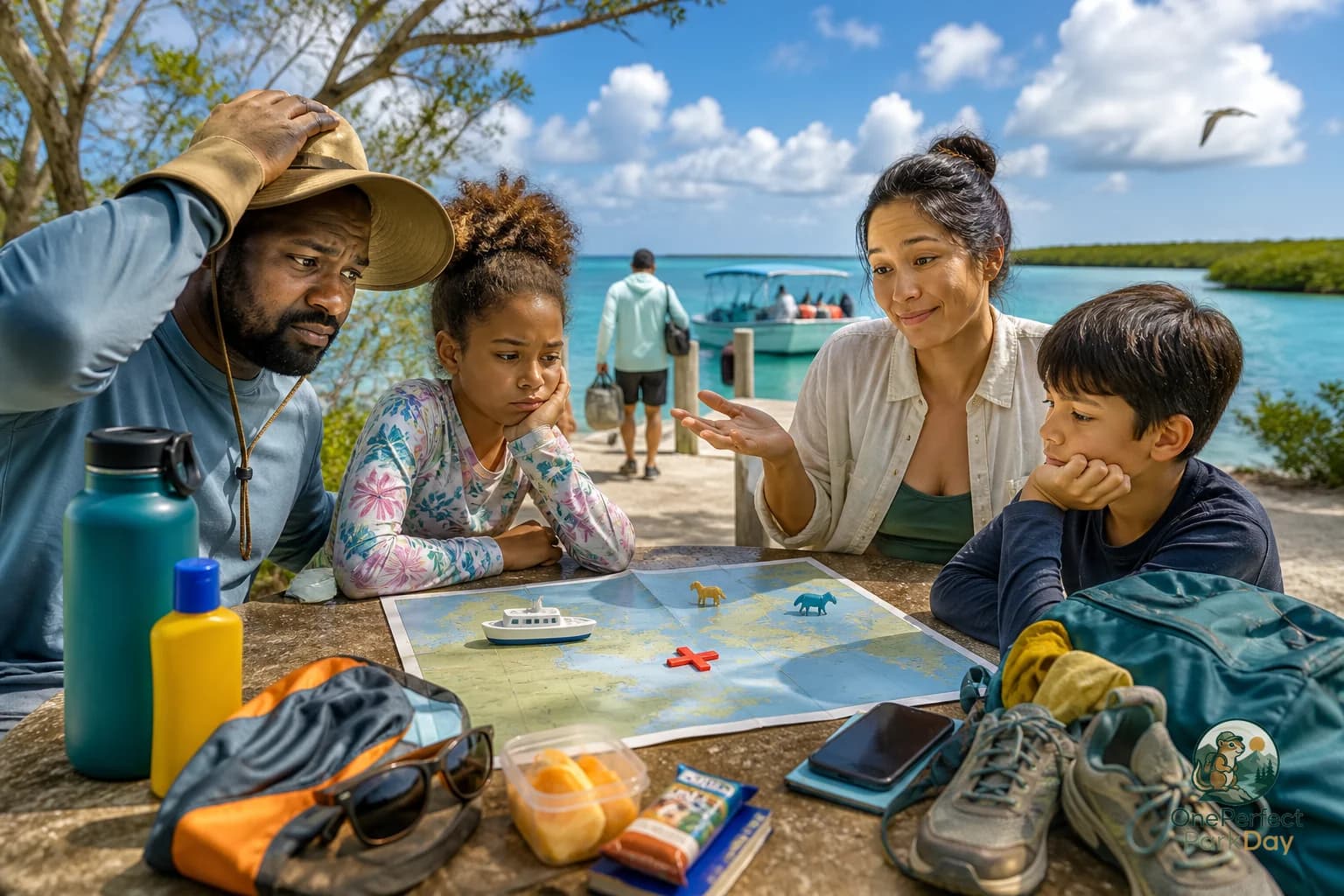
Are you building the day around getting on the water, or are you planning a shorter land based visit from the visitor center?
That sounds simple. It is not. Weather, wind, tour availability, group comfort, food, shade, and seasickness all get a vote.
The direct answer
For one day in Biscayne National Park, make the boat decision first, then build the rest of the day around that answer.
If your group wants the classic Biscayne experience, put a boat tour, snorkel trip, paddling outing, or island visit at the center of the plan. Book or confirm it early, arrive with extra time, and treat everything else as flexible.
If your group is not sure about boats, water conditions, mobility, heat, or snorkeling, do not force it. Make the Dante Fascell Visitor Center area at Convoy Point your anchor, use the shoreline, exhibits, ranger information, and short walks as the core, and keep any water activity optional.
The wrong move is trying to plan Biscayne like a drive-through park with a long list of land stops. That version gets thin fast.
Before you rely on any version of this plan, check current NPS alerts, operating rules, weather, marine conditions, road and parking information, tour availability, permits if relevant, and any shuttle or timed-entry details that apply to your date.
What makes Biscayne different for a one-day plan
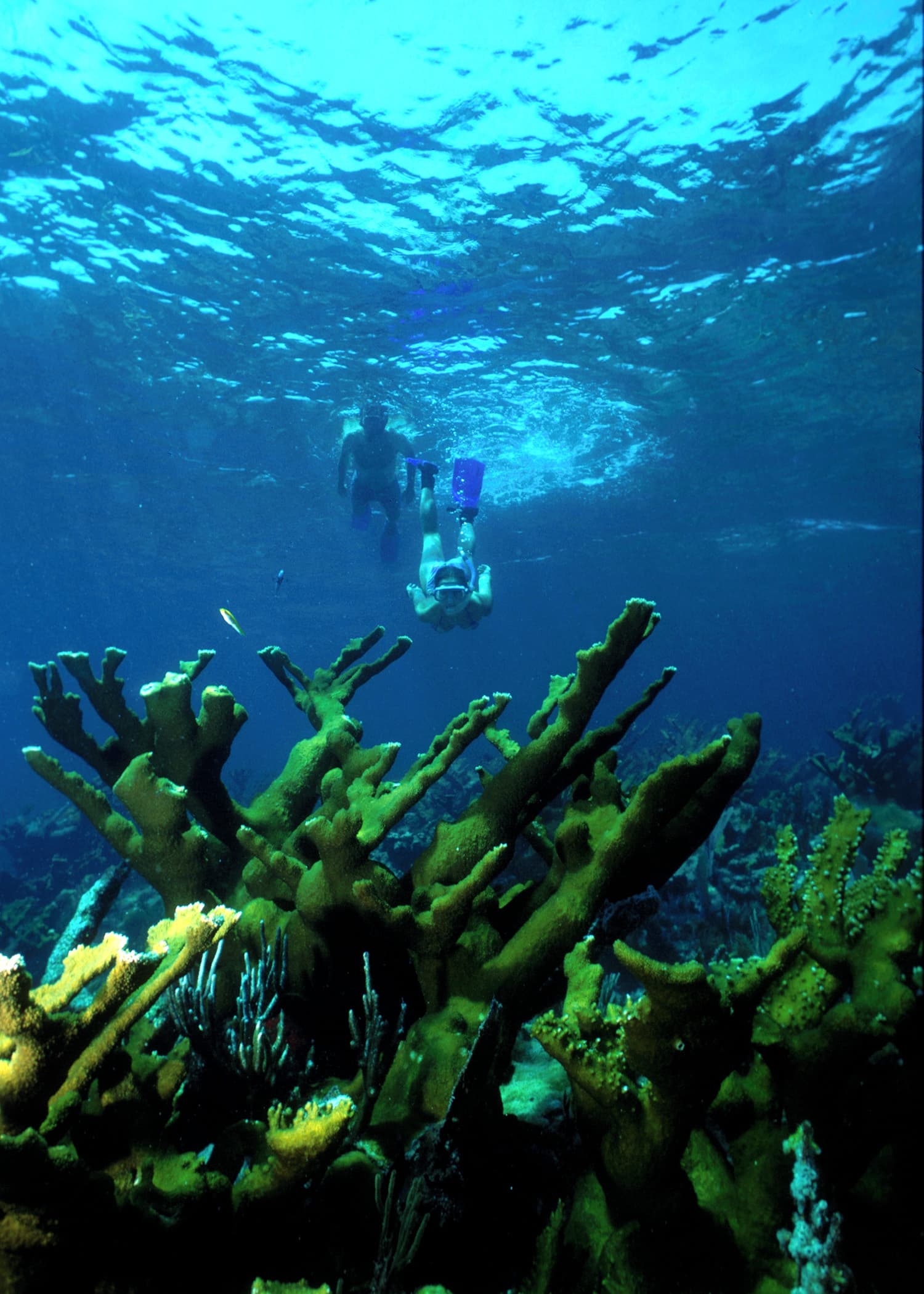
Biscayne has fewer easy land based fallbacks than many visitors expect. The main mainland access point is Convoy Point, where you will find the visitor center area, waterfront views, information, and a calmer way to understand the park. A lot of the park experience, though, depends on boats, paddling, reefs, islands, and weather windows.
That changes the planning math.
You are not just asking, “What should we see?” You are asking, “What conditions would make this plan feel good for our actual group?”
Wind matters. Sun matters. Storm timing matters. Seasickness matters. So does whether everyone is comfortable being wet, hot, exposed, or on a boat for a chunk of the day.
Daylight matters too. A late start can still work for a land based visit, but it may not work for a scheduled water activity. A packed lunch can save the day. A missing water bottle can make the afternoon miserable.
If you like planning with one main decision point, this is the same idea as How to plan one national park day around decision points, just with more sunscreen and less road mileage.
Put the hardest choice early
The hardest choice is whether to commit to a water based plan.
Make that call before you start adding extras. A clean Biscayne day usually looks like one of these:
- Main plan: scheduled boat, snorkel, island, or paddling activity
- Backup plan: visitor center and Convoy Point time if weather or logistics shift
- Optional add-on: a short shoreline walk, ranger information stop, photos, picnic, or extra rest time
That order keeps the day sane. It also stops you from pretending you can squeeze in every version of Biscayne in one visit.
If you choose a boat centered day, protect it. Arrive early enough for parking, check-in, restrooms, sunscreen, gear questions, and snack management. Do not cut it close because the drive looked easy on a map.
If you choose a land centered day, own that choice. Go slower. Read the conditions. Let the visitor center orient you to the bay, islands, reef, and human history of the park. A shorter day can still be a good day if it matches the group you brought.
Common mistakes that make Biscayne feel harder than it needs to be
The first mistake is treating Biscayne like a checklist. The park does not reward ten tiny stops. It rewards picking the right mode for the day.
The second mistake is checking only the normal weather forecast. For Biscayne, wind and marine conditions can matter as much as temperature. A sunny day can still be a rough water day.
The third mistake is packing like it is only a beach stop. You may need sun protection, water, snacks, dry storage, motion sickness supplies, water shoes or secure sandals if appropriate, and a change of clothes depending on the activity. You may also need less than you think if your plan is mostly visitor center and shoreline time.
The fourth mistake is forgetting food. Do not assume your group can casually solve lunch inside the park at the exact moment everyone gets hungry. Check current options and operator rules, then bring what fits your plan. For a broader framework, see How to plan meals for one day in a US national park.
The fifth mistake is having no emotional backup. If a water plan changes, do not spend the rest of the day acting like the park failed you. Switch to the land plan, slow down, and save the more ambitious Biscayne day for another visit.
Questions to check before you lock the day
Ask these before you finalize anything:
- Is our main goal to get on the water, or to understand the park without committing to a boat?
- Are current NPS alerts or operating rules affecting access, programs, docks, roads, or visitor services?
- What is the marine forecast, not just the land forecast?
- Does our activity require reservations, permits, special gear, swim ability, or age limits?
- Where exactly do we need to check in, and how early should we arrive?
- What happens if weather, wind, or water conditions change?
- Does anyone in the group struggle with heat, motion sickness, mobility, swimming, or long sun exposure?
- What food and water do we need if the day runs longer than planned?
- What is our no-drama backup if the water plan is not smart that day?
Those questions are not meant to scare you off. They are meant to keep Biscayne from becoming a vague plan with a fragile middle.
A practical one-day Biscayne checklist
Use this as a starting point and adjust it to the current conditions and your actual activity.
- Check current NPS alerts, operating rules, road status, visitor center information, and weather before leaving
- Confirm any boat, snorkel, paddling, or island trip details directly with the operator or official source
- Check marine conditions and wind, not only temperature and rain chance
- Arrive with extra time for parking, check-in, restrooms, sunscreen, and gear questions
- Bring more drinking water than you think your group will casually remember to drink
- Pack simple snacks or lunch that fits your activity rules
- Use sun protection: hat, sunglasses, sunscreen, and light layers
- Bring dry storage for phone, keys, medication, and anything that cannot get wet
- Consider motion sickness needs before the boat leaves, not after someone feels awful
- Pack a small towel or change of clothes if your plan involves spray, snorkeling, or paddling
- Wear footwear that matches the actual plan, not the vacation photo in your head
- Build in one real break after the main activity
- Keep a land based backup at Convoy Point if the water plan changes
A realistic way to end the day
The best one-day Biscayne plan is not the one with the most activities. It is the one that makes the boat decision honestly.
If conditions are good, your group is ready, and the logistics line up, make the water the anchor. If not, do not fake it. Biscayne is still worth slowing down for from the mainland, especially if you arrive curious instead of disappointed.
One day here should feel like a clean choice, not a scramble. Pick the main mode, pack for the version you chose, and give yourself permission to leave a lot of water for another trip.
If you want a calmer way to sketch the day before you go, One Perfect Park Day can help you build a flexible plan at oneperfectparkday.com.
Practical note
This article is general US National Park planning information. Park rules, hours, weather, trail conditions, road closures, shuttle service, accessibility procedures, permits, and crowd levels can change. Check the official National Park Service site or app before relying on any plan.