Weekly Review / 4 min read
Weekly Review: The Water Bottle Plan Beats the Perfect Schedule
A simple one-day plan for food, water, weather, and the part of the day when everyone gets cranky.
July 26, 2026
Park Day Plan
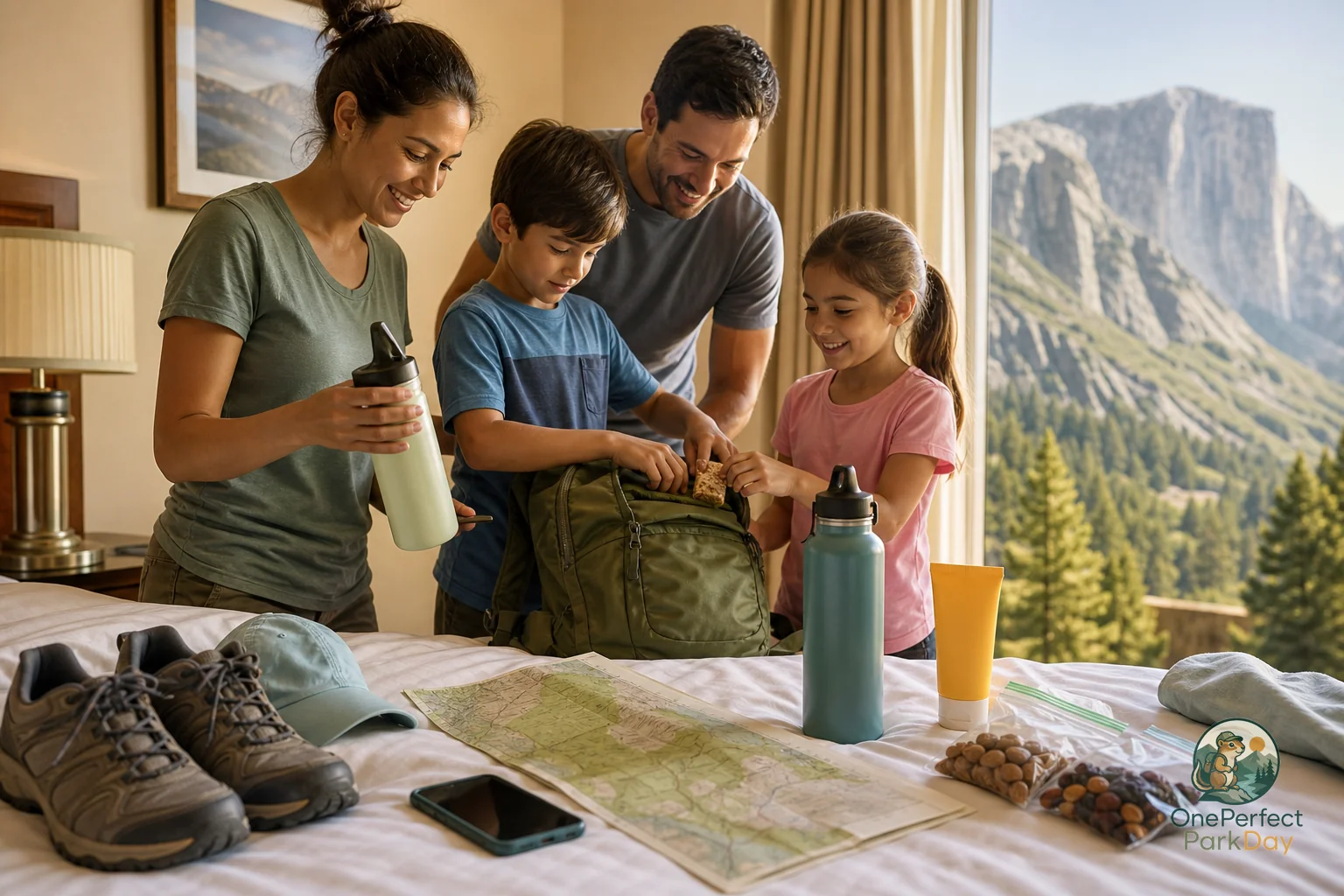
This week’s park day plan is simple: treat food, water, shade, and bathrooms like part of the itinerary, not errands you will somehow solve later.
A lot of one-day plans fail in the middle, not at the start. The morning goes fine. Everyone is excited. Then lunch gets pushed, water runs low, the next stop is farther than expected, and suddenly the whole day is being managed by the hungriest person in the group.
Use three anchors:
- First 90 minutes: Do the thing with the most friction first. That might be a popular viewpoint, a short trail, a timed attraction, or the ride everyone would be mad to miss.
- Midday reset: Put food, water refills, bathrooms, sunscreen, and shade on the plan before the day gets messy.
- Late day choice: Save one flexible option for the end. Pick between a final scenic stop, an easy walk, a show, a playground break, or leaving while everyone still likes each other.
The mistake is trying to make the whole day equally productive. It will not be. Make the first part count, protect the middle, and keep the end loose.
Packing Tip
Pack for the moment when buying your way out of the problem is annoying, expensive, closed, crowded, or three miles away.
For a casual one-day US national park visit, start with at least 2 liters of water per adult for a light day of viewpoints, visitor centers, and short walks. Bring more for heat, exposed trails, elevation, longer hikes, or limited refill access.
For families, split snacks into two groups:
- Real food: sandwiches, wraps, cheese sticks, fruit, trail mix, jerky, crackers
- Mood rescue snacks: something salty, something sweet, something the kid will actually eat when tired
Do not bury the snacks under jackets and camera gear. If the snack is hard to reach, it might as well be back at the hotel.
Read the full food and water guide here: How much food and water to bring for one day in a US national park
Crowd & Weather Note
Late July park days reward early starts and punish wishful thinking.
If you are visiting a national park, build the day around heat, sun exposure, and distance between services. If you are visiting a theme park, build around lines, pavement heat, indoor breaks, and the afternoon crash.
A good rule: do not start the most exposed, least flexible part of the day at the hottest point of the afternoon unless you are genuinely prepared for it.
A better plan:
- Do the high demand stop early.
- Use midday for food, shade, water refills, visitor centers, shows, scenic drives, or low effort wandering.
- Keep one indoor, covered, or car based backup ready if storms roll in.
- Decide in advance what you are willing to skip.
Skipping one thing on purpose feels much better than missing three things because the day got away from you.
From One Perfect Park Day
New this week:
If you are planning a national park day soon, build the simple version before you leave the hotel: One Perfect Park Day
Question of the Week
What is the one thing your group always underestimates on a park day?
Food? Water? Walking distance? Bathroom timing? Heat? The time it takes to get everyone moving again after a break?
That answer should probably be on your plan before any bonus stop, scenic detour, or “maybe we can squeeze it in” idea.