
Planning / 6 min read
How to plan one day in Virgin Islands National Park without turning it into a beach checklist
Plan one day in Virgin Islands National Park around one main beach area, heat, driving, weather, food, parking, and realistic backup choices.
August 28, 2026

A one-day visit to Virgin Islands National Park looks easy on a map until the day gets hot, the roads feel slower than expected, the group wants shade, and every beach sounds too good to skip.
That is the trap. The park rewards a slower plan. If you try to sample every beach, every overlook, a historic site, snorkeling, lunch, and a trail in one day, you may spend the best hours loading bags, finding parking, and negotiating what to do next.
Before you rely on any plan, check current NPS alerts, operating rules, road and trail status, beach and marine conditions, weather, permits, ferry or taxi logistics, and any shuttle or timed entry details that may apply to your date.
The direct answer
For one day in Virgin Islands National Park, choose one main North Shore beach area, one cultural or scenic backup, and one optional add-on only if the group still has energy.
A calm plan usually looks like this:
- Morning: start with your main beach or snorkel area while the group is fresh
- Midday: take a real shade, food, and water break
- Afternoon: choose either a second short stop or a backup area, not both
- Last hour: leave room for the drive back, ferry timing if needed, showers, dinner, or tired kids
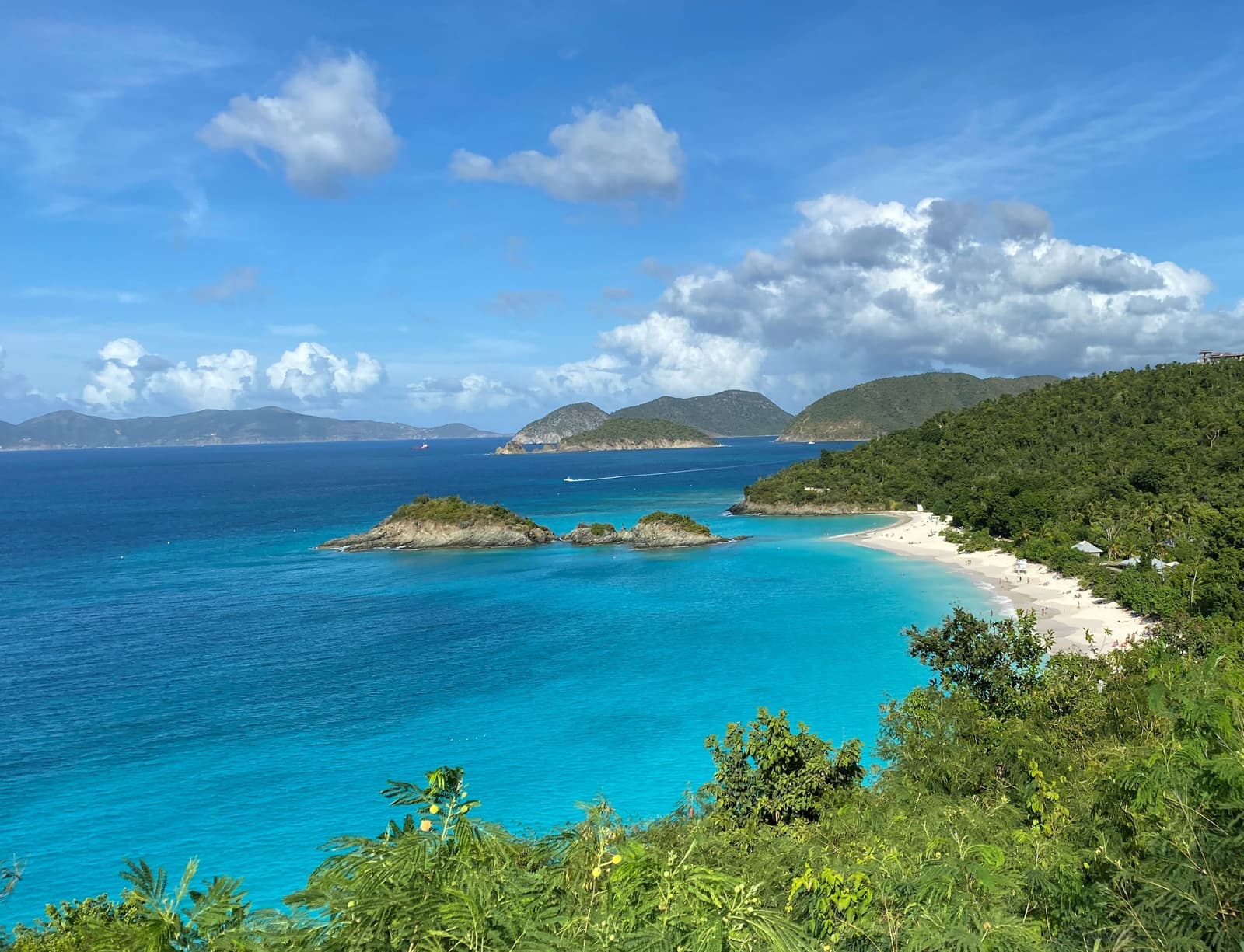
For many visitors, the main area will be along the North Shore Road corridor, with beaches such as Trunk Bay, Cinnamon Bay, or Maho Bay depending on parking, surf, facilities, group ability, and current conditions. The backup might be Annaberg Sugar Plantation, a scenic overlook, or a lower effort beach stop. The optional add-on might be a short walk, a second beach, or extra snorkeling time.
The tradeoff is simple: more stops means less beach time and more friction. Fewer stops means you actually get to settle in.
If you need help thinking by area instead of by scattered attractions, use the same logic from How to group one US national park day by area.
Context factors that change the day
Virgin Islands National Park is not a giant mainland park, but that does not make it effortless. The hard parts are different.
First, the roads take attention. St. John roads can be narrow, steep, curvy, and slower than visitors expect. Driving is on the left. Even short distances can feel like work if your group is tired, carsick, or unfamiliar with the roads.
Second, beach parking is a real planning constraint. Do not build the day around the assumption that you can arrive whenever you want and slide into the closest spot. Have a second choice ready before you leave Cruz Bay or your lodging.
Third, heat changes ambition fast. A hike that sounds easy at breakfast can feel much less appealing after a sunny beach morning. Shade, water, and rest are not soft extras here. They are what keep the afternoon from falling apart.
Fourth, marine conditions matter. Snorkeling can be fantastic, but water clarity, surf, currents, wind, and comfort level can vary. A beach that sounds like the perfect snorkel stop on paper may not be the right choice for your group that day. Check current conditions and stay conservative, especially with kids or uncertain swimmers.
Fifth, food and water deserve more attention than the itinerary usually gives them. Services vary by area and season. Pack more water than you think you need, bring easy snacks, and do not assume lunch will appear exactly when everyone gets hungry.
What people get wrong
The most common mistake is making the day a beach ranking contest. Trunk Bay, Cinnamon Bay, Maho Bay, Hawksnest, and other stops may all sound close enough to combine. On paper, maybe. In a real group, with towels, snorkel gear, sunscreen, parking, wet clothes, and heat, each move costs more than people admit.
The second mistake is putting the most fragile plan in the afternoon. If snorkeling is the point of the trip, do not save it until everyone is cooked. If a historic stop matters to someone in the group, do not leave it as the thing you might squeeze in after a long beach day.
The third mistake is ignoring the return logistics. If you are day tripping by ferry or coordinating taxis, your last hour is not bonus time. It is the hour that protects the rest of your evening.
The fourth mistake is skipping breaks because the park feels casual. A beach day still needs pacing. Wet clothes, strong sun, hungry kids, and limited shade can drain a group quickly. This is where a planned break beats a forced meltdown. For a simple way to build that pause into the day, see How to plan breaks during one day in a US national park.
Questions to check before you commit
Ask these before you finalize the route:
- Are we arriving from St. John lodging, from Cruz Bay, or by ferry from another island?
- What time do we realistically reach the first park stop, not just the island?
- Which beach is our main event if parking and conditions cooperate?
- What is our backup if that first choice is too crowded, closed, rough, or not comfortable?
- Who in the group needs shade, bathrooms, easier water entry, or shorter walking distances?
- Are we carrying snorkel gear, renting it, or skipping snorkeling if conditions are not right?
- Where are lunch, snacks, and extra water coming from?
- What time do we need to start heading back?
- What current NPS alerts, road updates, trail status, beach conditions, permits, operating rules, and transportation details need checking the night before and the morning of?
Those answers matter more than copying a perfect looking itinerary from someone else.
A practical one-day checklist
Use this as a sanity check, not a rigid schedule.
- Pick one main beach or North Shore area for the morning
- Choose one backup stop before you leave
- Choose one optional add-on and agree that it is optional
- Check current NPS alerts and operating rules
- Check road, trail, beach, and marine conditions
- Confirm ferry, taxi, rental car, parking, shuttle, or timed entry details if they affect your day
- Pack water, salty snacks, sun protection, and any needed medications
- Bring dry clothes or a simple change plan if the day continues after the beach
- Set a latest turnaround time for the final stop
- Keep lunch boring and dependable
- Build in at least one true shade break
- Recheck the plan if storms, heat, surf, or group energy change
A good Virgin Islands National Park day does not need five beaches. It needs one strong choice, one flexible backup, and enough margin that the island still feels like a place you are visiting, not a checklist you are trying to beat.
A realistic closing
The best one-day plan for Virgin Islands National Park is not the most ambitious one. It is the one that protects the morning, respects the heat, and gives your group permission to stop moving once you find the right spot.
If conditions are great and everyone has energy, add the extra stop. If parking is tight, the water looks rough, or the group is fading, switch to the backup without treating it like failure.
For more calm one-day planning help, start with One Perfect Park Day at https://oneperfectparkday.com/?utm_source=mdx.
Practical note
This article is general US National Park planning information. Park rules, hours, weather, trail conditions, road closures, shuttle service, accessibility procedures, permits, and crowd levels can change. Check the official National Park Service site or app before relying on any plan.