
Planning / 8 min read
How to plan one day in gates of the arctic national park & preserve around the flight window
Plan one day in Gates Of The Arctic National Park & Preserve around the flight window, weather, food, water, group energy, and backup decisions.
October 19, 2026

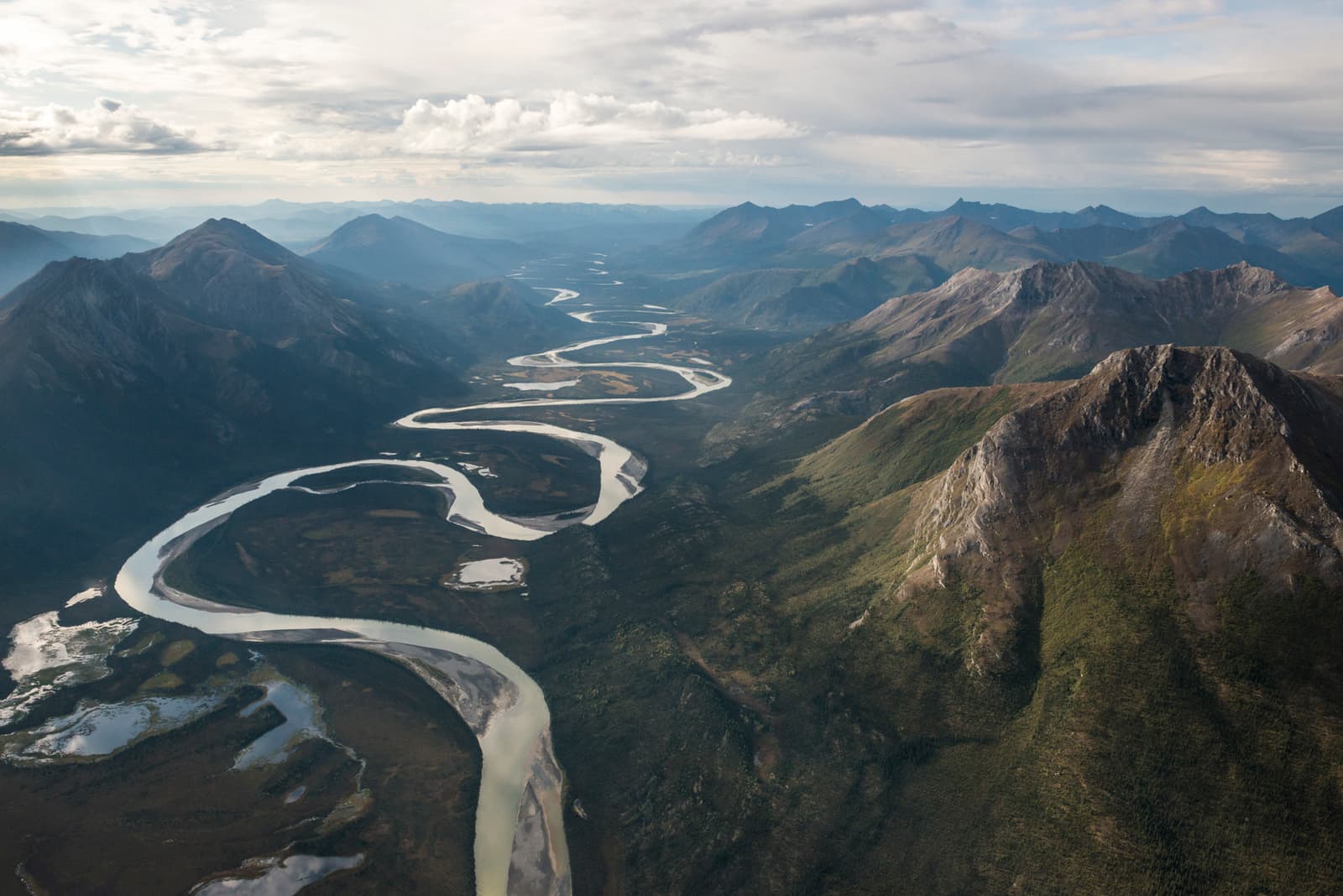
Gates Of The Arctic National Park & Preserve is where a normal one-day national park plan breaks down fast. There is no entrance road into the park. There is no scenic drive with signed overlooks. There is no shuttle loop that quietly saves your schedule when the morning runs long.
For most casual visitors, one day here means some version of an air access day: flightseeing, a fly-in landing, a guided day, or a very limited visit based from a gateway community. That can be incredible. It can also fall apart if you plan it like a roadside park with a few hikes stacked after lunch.
The planning question is simple: how do you build one day around the flight window without overloading the route?
The short answer
Put the flight window at the center of the day, then make everything else smaller than you want it to be.
A realistic one-day plan for Gates Of The Arctic should have three parts:
- One main objective, usually the flight experience or a single landing area if conditions allow.
- One firm turnaround point, based on pickup timing, weather movement, daylight, and group energy.
- One backup plan that is still worth doing if the original flight, landing, or route changes.
That sounds less exciting than a heroic Arctic itinerary. Good. Heroic is a bad default when the park has no roads, no maintained trail network for casual visitors, and weather that can change the day without asking.
If you like planning with decision points instead of fake certainty, this is the same mindset as How to plan one national park day around decision points. Gates Of The Arctic just makes the consequences more obvious.
Context factors that should shape the day
Access is the plan
In many national parks, access is the boring part. You drive through an entrance station, park, and start negotiating which overlook comes first.
At Gates Of The Arctic, access is the main event. Visitors commonly work through air taxis, guides, or gateway communities such as Bettles, Coldfoot, or other Alaska access points depending on the trip. Exact logistics vary, and they need current confirmation before you build anything around them.
Check current National Park Service alerts, operating rules, access information, road status for gateway travel, weather, permits if they apply to your activity, and operator details before relying on any plan.
Weather can erase the neat version of the day
Cloud ceilings, wind, visibility, rain, snow, river conditions, and temperature can all matter. This is not just a comfort issue. Weather can affect whether a flight goes, where it can go, whether a landing makes sense, and how long you should stay out after arrival.
Do not treat the forecast as a promise. Treat it as one input.
For a one-day visitor, the safer planning move is to assume the day may compress. If the plan only works when every handoff is clean, every cloud stays polite, and nobody gets cold or tired, the plan is too fragile.
Daylight is not a generic clock
Arctic daylight swings hard by season. A timing plan copied from a summer trip report can be useless in shoulder season, and a clock-based plan from a lower latitude park can be silly here.
Before you commit, check sunrise, sunset, twilight, and your operator's actual pickup and return windows. Then build your walking, photography, lunch, and turnaround choices inside that day, not inside the day you wish you had.
There may be no easy bailout
This is the piece people underweight. In a road-access park, a tired kid, sore knee, rain squall, or bad snack decision often means getting back in the car.
In Gates Of The Arctic, if you fly in or travel away from a base area, your exit is tied to the access plan. That does not make the park off limits. It means your group energy, clothing, food, water, communication assumptions, and backup plan need to be more conservative than usual.
Common mistakes that make one day harder
Planning a route instead of a return
The route is the fun part to imagine. The return is the part that keeps the day sane.
For one day, define the point where you stop adding distance, photos, wandering, or one more ridge. That point should come earlier than your most ambitious person wants. A good Arctic day often feels like you left something on the table. That is better than turning the pickup window into a stress test.
Treating the landing as guaranteed
A flightseeing plan and a landing plan are not the same thing. Weather, surface conditions, operator judgment, and current restrictions can all change what is reasonable on a given day.
Build your expectations around categories, not promises: flightseeing only, landing if conditions allow, short exploration near the landing area, or a full cancel and regroup day.
Packing for the forecast instead of the consequences
The forecast might say mild. The consequences of being underdressed in wind, wet tundra, or a delayed pickup are not mild.
For a one-day Gates Of The Arctic plan, think in layers, rain protection, warm hat or gloves when appropriate, sun protection, sturdy footwear, extra food, and enough water or a confirmed water plan. Do not pack like you are walking from an overlook to a gift shop.
Forgetting the low glamour needs
Bathroom timing, motion sensitivity, lunch, medication, kids' attention spans, and who gets cranky when cold all matter here. These are not side details. They decide whether the day feels amazing or miserable.
If your group includes children, older adults, less experienced hikers, or anyone nervous about small planes or remote terrain, let that shape the main objective. The park will still be wild if you choose the calmer version.
Questions to check before you lock the plan
Ask these before the day, then ask the important ones again the morning of travel.
- What is the current NPS alert status for Gates Of The Arctic National Park & Preserve?
- What are the current operating rules, access limits, and permit requirements for the activity you are considering?
- What is the actual flight window, including check-in, loading, weather delays, and return timing?
- If weather blocks the preferred route, what alternate route or activity is realistic?
- If the flight is delayed by one or two hours, does the plan still work?
- What is the latest reasonable turnaround time after landing?
- How much daylight do you have for the specific date?
- What food, water, clothing, and medication does each person need if the day runs longer or colder than expected?
- What communication options are available, and what should not be assumed?
- Who in the group is most likely to need a slower pace, earlier lunch, warmer layer, or shorter outing?
This is also a good place to sanity check the whole idea against a flexible planning framework like How to build a flexible one-day US national park plan.
A practical one-day checklist
Use this as a planning filter, not a guarantee.
- Choose one main objective: flightseeing, a guided fly-in experience, one landing area, or a gateway based day.
- Confirm current NPS alerts, weather, operating rules, access details, permits if needed, and operator instructions.
- Build the day around the flight window first, then add food, rest, and short exploration.
- Set a hard turnaround point before you arrive, not when everyone is already excited.
- Pack layers for wind, rain, cold, and sun exposure.
- Carry more food than a normal short outing would require.
- Confirm your water plan before departure.
- Keep essential medication and personal items with you, not buried in luggage.
- Decide what happens if the flight is delayed, rerouted, changed to flightseeing only, or cancelled.
- Give the group permission to call the smaller version a good day.
A realistic closing
One day in Gates Of The Arctic National Park & Preserve is not about checking off a neat list. It is about respecting the access, the weather, and the scale of the place enough to avoid turning a rare opportunity into a brittle schedule.
Pick one main experience. Protect the return. Keep the backup dignified. Feed people before they get weird. Add distance only after the essentials still work.
That is not a timid plan. In this park, that is the grown-up version.
If you want help turning one big park idea into a calmer one-day plan, start with One Perfect Park Day.
Practical note
This article is general US National Park planning information. Park rules, hours, weather, trail conditions, road closures, shuttle service, accessibility procedures, permits, and crowd levels can change. Check the official National Park Service site or app before relying on any plan.