
Planning / 6 min read
How to plan one day in great sand dunes around one main area, one backup, and one add-on
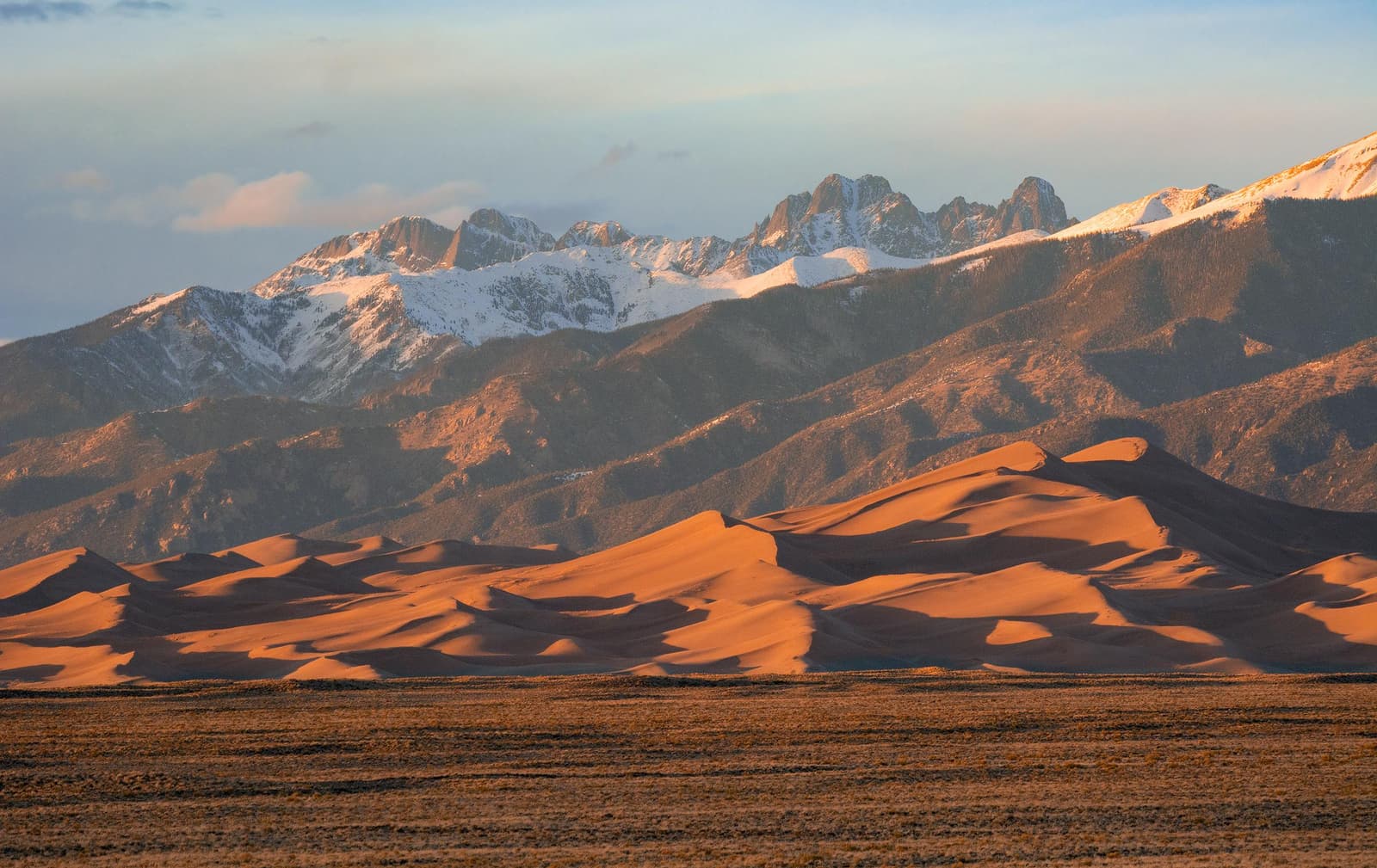
Plan one day in Great Sand Dunes National Park around the dunes, a realistic backup, and one optional add-on without overloading the day.
November 2, 2026
Great Sand Dunes looks like a simple one-day park from a map. The dunes sit right there, the road system is not a maze, and the big visual payoff is obvious.
That is exactly why people overload the day.
The hard part is not finding something worth doing. It is deciding how much dune time your group can actually handle when the sand is hot, the wind picks up, the elevation feels rude, Medano Creek is not doing what you hoped, or daylight is shorter than your optimism.
This is a one-day planning frame for Great Sand Dunes National Park and Preserve: one main area, one backup, and one optional add-on. Check current National Park Service alerts, weather, road status, trail conditions, creek updates, fire restrictions, and any current operating rules before you rely on the plan.
The short answer
For most one-day visitors, make the main dunes area your anchor. That means the visitor center, the Dunes Parking Area, Medano Creek if conditions make sense, and a realistic walk onto the sand.
Then choose one backup area before the day starts. A short forest edge trail, a lower effort picnic break, or a scenic stop near the dunes works better than pretending everyone will be excited for another exposed climb after two hours in soft sand.
Finally, pick one optional add-on only if the day is going well. That might be a short trail such as Montville Nature Trail, a longer trail choice like Mosca Pass Trail for a group that came ready to hike, or Medano Pass Primitive Road only if your vehicle, road conditions, rules, weather, and time all line up.
The point is not to do less for no reason. It is to protect the thing you came for.
If you want a broader framework for picking the anchor instead of collecting stops, read How to choose anchor stops for one day in a US national park.
What makes Great Sand Dunes different for one day
Great Sand Dunes is not a normal short hike park. Distance on sand lies to you. A route that looks casual from the parking area can feel much slower once every step sinks, slides, or tilts.
A few factors should shape the day:
- Sand temperature: Exposed sand can become uncomfortable or unsafe for bare skin and paws in warm weather. Morning is usually the safer bet for dune time.
- Wind: Wind can turn a pretty dune walk into sand in your eyes, ears, snacks, shoes, and mood. Bring eye protection and be willing to shorten the sand portion.
- Elevation: The park sits high enough that visitors coming from lower elevation may feel slower than usual. Do not judge the group by sea level energy.
- Medano Creek: The creek is seasonal and variable. It can be a highlight, a shallow splash zone, or not much of a factor depending on timing and conditions.
- Road and vehicle limits: Some routes, especially beyond the main paved visitor area, may require the right vehicle and current conditions. Do not make a primitive road the backbone of a one-day plan unless you have verified it.
- Daylight: The dunes are wide open, but the day still has a clock. Leave time to get back to the vehicle without turning the final walk into a grind.
If you are comparing a few possible versions of the day, the approach in How to build a flexible one-day US national park plan fits this park well.
A calm one-day structure
Think in zones, not a minute by minute itinerary.
Main area: the dunes and visitor center corridor
Start here. Use the visitor center area to reset expectations, check current conditions, use restrooms, top off water, and confirm whether the day is shaping up around creek play, dune walking, photography, or a shorter sand visit.
From the Dunes Parking Area, choose a turn around point before you start walking. That might be “we walk for 25 minutes and turn around,” not “we are going to the highest thing we can see.” The tallest dune in view is not automatically the right goal for a mixed group.
Backup area: lower effort shade, picnic, or short trail time
Your backup should solve a real problem. If wind is the problem, pick something less exposed. If heat is the problem, avoid doubling down on sand. If energy is the problem, do not rebrand a hard hike as a “quick add-on.”
A short nature trail, a picnic break, a scenic pause, or a visitor center reset can save the day from becoming a forced march.
Optional add-on: one extra thing, not three
Only add more if the group still has water, daylight, patience, and decent conditions. Montville Nature Trail can make sense for a shorter add-on. Mosca Pass Trail asks for more hiking appetite. Medano Pass Primitive Road is a different kind of commitment and should depend on current road status, vehicle suitability, weather, and rules.
The add-on should be easy to cancel without ruining the day.
Common mistakes that make the day harder
Treating the dunes like a sidewalk. Sand hiking is slower. Build the day around effort, not map distance.
Saving the dunes for late afternoon in warm weather. That can work in some seasons, but it can also mean hotter sand, tired people, and less patience. If the dunes are the priority, give them a strong time slot.
Assuming Medano Creek will carry the day. It is a seasonal, changing feature, not a guaranteed water park. Plan for the dunes and landscape first. Treat creek time as a bonus when conditions support it.
Adding a big trail after a big sand session. The group that sounded ambitious at breakfast may become a very different group after sun, wind, altitude, and sand in every shoe.
Skipping food and water strategy because the park feels compact. Compact is not the same as easy. Keep water accessible, eat before everyone crashes, and keep a cleaner backup layer or shoes in the vehicle if your plans include creek or sand play.
Questions to check before you commit
Ask these before you leave your lodging, then check again at the park if conditions are changing:
- What are the current NPS alerts and operating rules?
- Are any roads, trails, picnic areas, or facilities closed or limited?
- Is there any timed entry, permit, shuttle, or access rule in effect for the date you are visiting?
- What does the forecast say about wind, thunderstorms, heat, cold, smoke, or rapid temperature swings?
- How much daylight do you actually have?
- Is Medano Creek currently part of the experience, or should you treat it as uncertain?
- Does your group have the footwear, sun protection, layers, food, and water for exposed sand?
- What is your no drama turn around point on the dunes?
- What is your backup if the dunes are too windy, hot, cold, or tiring?
Simple checklist for a one-day Great Sand Dunes plan
- Choose the dunes as the main anchor if this is your first visit.
- Check current NPS alerts, weather, road status, trail status, and creek information.
- Start sand time earlier when heat or afternoon storms are a concern.
- Set a turn around rule before walking onto the dunes.
- Pack sun protection, layers, water, snacks, and eye protection for wind.
- Keep extra socks or shoes in the vehicle if creek or deep sand time is likely.
- Choose one backup that is easier than your main plan.
- Choose one optional add-on and make it cancellable.
- Do not let a primitive road, long trail, or distant stop become the plan unless conditions support it.
- Leave enough daylight and energy for the walk back, food, and the drive out.
Leave with the day still intact
A good Great Sand Dunes day does not need a heroic summit, a packed checklist, or perfect creek timing. It needs one clear priority and enough humility to let weather, sand, elevation, and real people change the plan.
Go hard on the anchor. Keep the backup kind. Make the add-on earn its place.
If you want help building a calmer national park day around your actual group and conditions, start with One Perfect Park Day at https://oneperfectparkday.com/?utm_source=mdx.
Practical note
This article is general US National Park planning information. Park rules, hours, weather, trail conditions, road closures, shuttle service, accessibility procedures, permits, and crowd levels can change. Check the official National Park Service site or app before relying on any plan.